

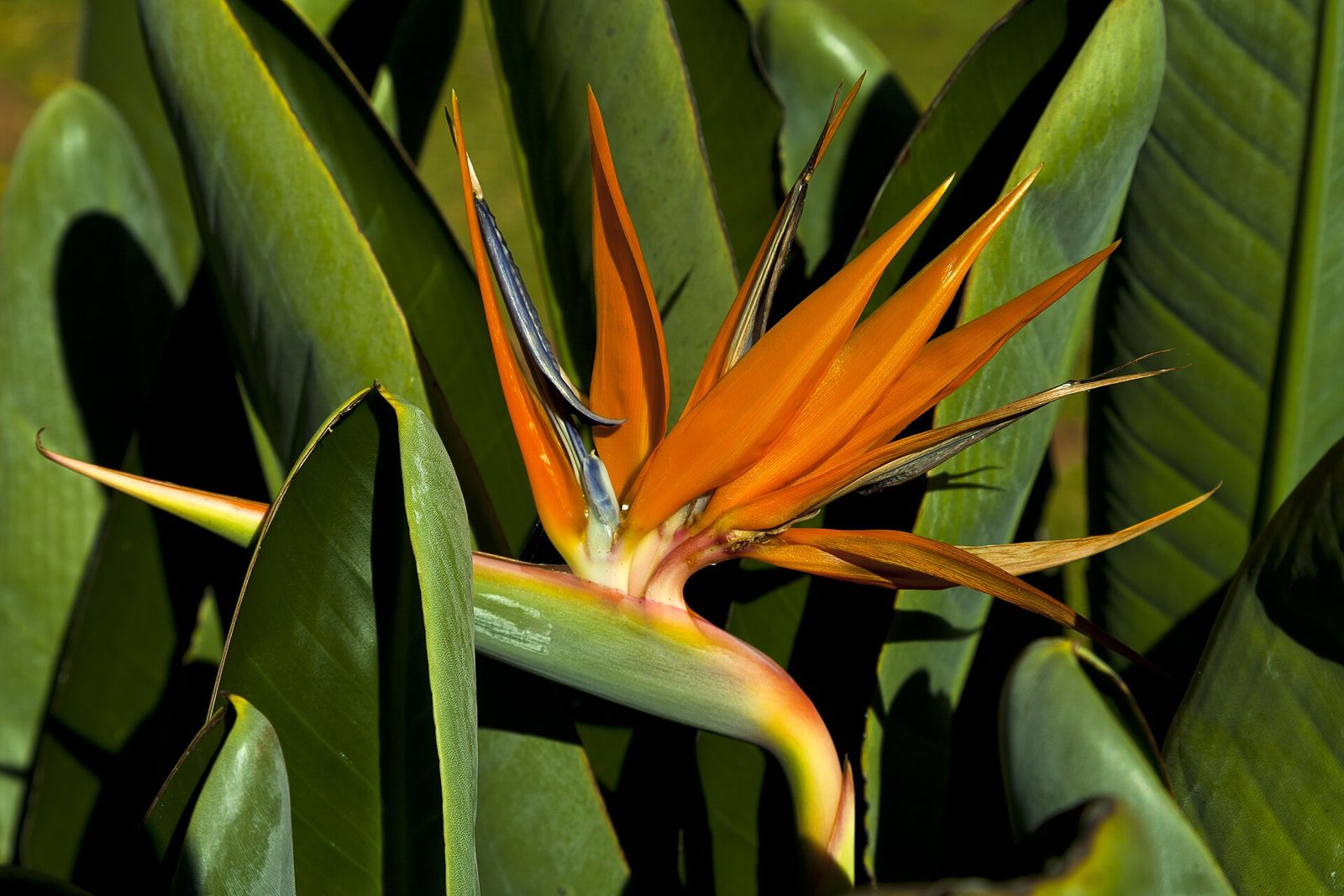
Treat 28°F as the line for a bird of paradise, and bring a potted plant indoors before the first frost. The sources give two limits. UF/IFAS EDIS says Strelitzia reginae tolerates as low as 24°F for a short time. The University of Wisconsin says a limited time down to about 28°F. Both agree that freezing temperatures damage flower buds. This guide sits under our bird of paradise care guide.
The cold limits: 24°F or 28°F?
UF/IFAS EDIS: about 24°F
University of Wisconsin: about 28°F
The difference is 4 degrees, and both limit the exposure to “a short time” or “a limited amount of time”. Our reading is cautious: if you are choosing between them, use 28°F as the line and accept that a night at 24°F is a risk to buds and foliage. UF/IFAS says outdoors the plant thrives in zones 10 through 11 and can survive further north with frost protection.
When to bring it in
Wisconsin says to bring the plant in before the first frost. Clemson gives a temperature cue for a potted plant that spent the summer outside: bring it indoors when temperatures begin to drop below 60°F. The two cues differ: Clemson’s 60°F trigger comes earlier than a frost, and Wisconsin’s first-frost rule is the latest safe moment.
Winter conditions indoors
Temperature
Light
Water
Humidity
Wisconsin says to feed monthly in winter with a water-soluble fertilizer. So if you feed in winter, once a month at most is the figure on the page.
Steps for a potted plant
- Watch for 60°F nights. Clemson says to bring it indoors when temperatures begin to drop below 60°F. Do not wait for a frost warning.
- Check the plant for pests before moving it in. Clemson lists scales, mealybugs, whiteflies and aphids; NC State and Wisconsin add spider mites. A quick look when you water is cheap.
- Put it in your brightest window. Sunny and well lit (NC State, Wisconsin).
- Cut back the water. Water only when the soil is fairly dry (UF/IFAS EDIS).
- Mist if the air is dry. Clemson says daily misting may be needed in the dry winter months.
Planting outdoors in marginal zones
In north Florida, UF/IFAS EDIS says to grow it in a container that can be moved indoors during freezes. In a borderline zone, use frost protection when a freeze is forecast; UF/IFAS says plants can survive north of zone 10 that way.
For the daily routine of a plant indoors, see our indoor care guide. If you want a flower that stays inside all year, the moth orchid is a different style of indoor plant.
Frequently asked questions
How cold can a bird of paradise get before it is damaged?
UF/IFAS EDIS says it tolerates temperatures as low as 24°F for a short time; the University of Wisconsin says a limited time down to about 28°F. Both warn that freezing damages flower buds. Treat 28°F as the safer limit.
When should I bring a potted bird of paradise inside?
Clemson says to bring a plant that spent the summer outdoors inside when temperatures begin to drop below 60°F. Wisconsin says to bring it in before the first frost.
How should I water it in winter?
UF/IFAS EDIS says to water only when the soil is fairly dry. NC State says keep it drier in winter. Clemson adds that the dry winter air may mean daily misting.
Can it stay outside in zone 9?
UF/IFAS says it thrives in zones 10 and 11 and can survive further north with frost protection.
Sources
- Strelitzia reginae, Bird-of-Paradise (MG106), UF/IFAS Extension (EDIS)
- Bird of Paradise (Strelitzia reginae), University of Wisconsin-Madison Division of Extension Horticulture
- Bird of Paradise (HGIC), Clemson Cooperative Extension, Home and Garden Information Center
- Strelitzia reginae, NC State Extension Plant Toolbox
- Bird of Paradise, UF/IFAS Gardening Solutions