
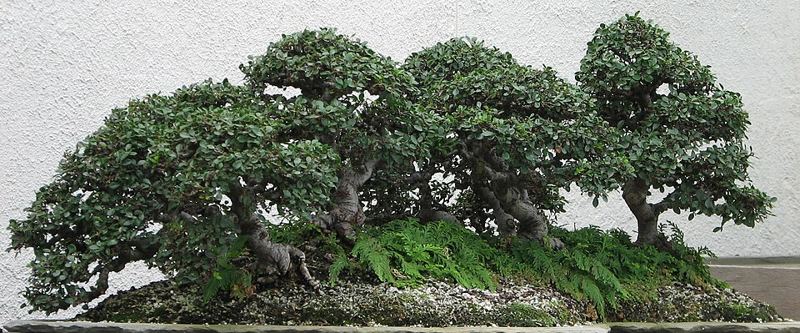
To keep a Chinese elm bonsai healthy, give it full sun to partial shade, keep the compost just moist, repot and root prune in spring every two or three years, and prune and wire as RHS describes. Chinese elm (Ulmus parvifolia) is a tree with exfoliating bark that is widely used in bonsai (UF/IFAS, NC State), and Chicago Botanic Garden says it makes an excellent bonsai plant. The part to plan early is winter, which, like fertilizing, is general hardy-tree guidance from Chicago Botanic Garden rather than advice written for elm alone.
- Sun
- Full sun to partial shade (UF/IFAS, NC State)
- Water
- Keep compost just moist; summer may need once or twice daily (RHS)
- Origin
- Asia
- Container friendly
- Yes
- Soil
- Well drained; adapts to many textures and pH (NC State)
- Repotting
- Spring, every 2–3 years (RHS)
- Pruning
- Young trees about once a year; established trees several times a year (RHS)
- Winter
- Prepare early; protect from wind (Chicago Botanic Garden, general hardy-tree guidance)
What a Chinese elm bonsai is
RHS describes bonsai as miniature trees grown through careful training, pruning and container restriction. Chinese elm suits the practice because it adapts: NC State says it takes a variety of soil textures and pH, tolerates moist sites, and resists Japanese beetles, elm leaf beetles and Dutch elm disease.
One buying note from Chicago Botanic Garden: Russian elm is sometimes sold as Chinese elm, so check the label.
Light and soil
UF/IFAS and NC State both say full sun to partial shade. NC State says the tree wants well-drained soil, though it will tolerate moist sites, and adapts to a variety of soil textures and pH.
Watering
RHS says to water as needed, and that in summer this can be once or twice daily. The overall aim is to keep the compost just moist. RHS adds that the compost is prone to drying out during warm and windy weather.
Repotting and root pruning
RHS says to re-pot and root prune in spring, before new growth resumes, and that these tasks should be carried out at two- or three-year intervals. It says autumn repotting is only for mild, sheltered areas.
Pruning and wiring
RHS says young bonsai need pruning about once a year to form the shape, and that once established they need pruning and trimming several times a year to stay balanced. It describes wiring this way: wire is wrapped along each branch, and the branch is then moved into place.
- Form the shape. Prune young trees about once a year (RHS).
- Wire the branches. Wrap wire along each branch and move it into place (RHS).
- Maintain. Trim established trees several times a year to keep them balanced (RHS).
- Repot on schedule. Spring, before new growth, every two or three years (RHS).
Feeding
Chicago Botanic Garden’s guidance for hardy bonsai is to stop nitrogen in late summer to early fall, and to switch to a feed higher in phosphorus and potassium to strengthen roots for winter. It is general guidance for hardy trees, not elm-specific.
Winter care
Chicago Botanic Garden says to prepare hardy bonsai long before winter and to protect the trees from wind. This is general guidance for hardy bonsai trees as a group, not specific to Chinese elm, so use it as a starting point and check what works in your own region.
A Chinese elm bonsai through the year
| Time | What to do | Source |
|---|---|---|
| Spring, before new growth | Repot and root prune, every 2–3 years | RHS |
| Through the year | Water as needed; prune and wire | RHS |
| Summer | May need watering once or twice daily | RHS |
| Late summer to early fall | Stop nitrogen; move to higher phosphorus and potassium | Chicago Botanic Garden (general) |
| Before winter | Prepare early; protect from wind | Chicago Botanic Garden (general) |
Problems to watch
Grow these next
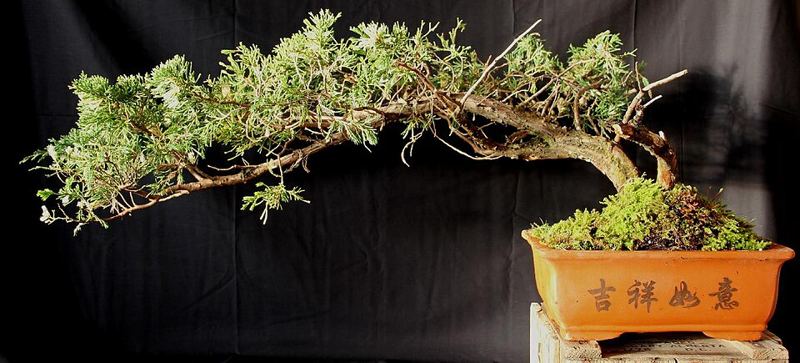
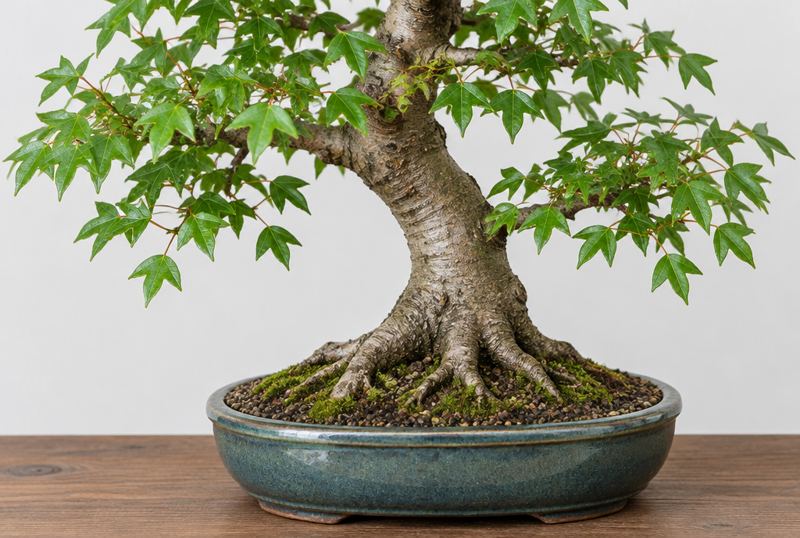
Chinese elm sits with several other trees in our bonsai section. Compare it with the trident maple bonsai guide for a maple with its own pruning window, the juniper bonsai guide for an evergreen that stays outdoors, and the ficus bonsai guide for a tropical tree grown indoors in winter.
Frequently asked questions
Is Chinese elm a good bonsai?
Chicago Botanic Garden says Chinese elm (Ulmus parvifolia) makes an excellent bonsai plant, and NC State and UF/IFAS describe the species as widely used in bonsai, with exfoliating bark.
How much sun does a Chinese elm need?
UF/IFAS and NC State say full sun to partial shade. NC State says it will tolerate moist sites but wants well-drained soil.
How often should I water a Chinese elm bonsai?
RHS says to water as needed, which in summer can be once or twice daily, and to keep the compost just moist. It says the compost is prone to drying out in warm and windy weather.
When do I repot a Chinese elm bonsai?
RHS says to re-pot and root prune in spring, before new growth resumes, at two- or three-year intervals. It says autumn is an option only in mild, sheltered areas.
What should I do with a hardy bonsai in winter?
Chicago Botanic Garden gives general guidance for hardy bonsai: prepare long before winter, protect the trees from wind, and stop nitrogen in late summer to early fall. This is general hardy-tree guidance, not elm-specific.
Sources
- Ulmus parvifolia (Chinese elm), NC State Extension Plant Toolbox
- Ulmus parvifolia (ST652), UF/IFAS Extension (EDIS)
- Bonsai: growing miniature trees, Royal Horticultural Society
- Ulmus parvifolia (Chinese elm), Chicago Botanic Garden Plant Finder
- Overwintering Your Bonsai, Chicago Botanic Garden
 Juniper
 Trident Maple
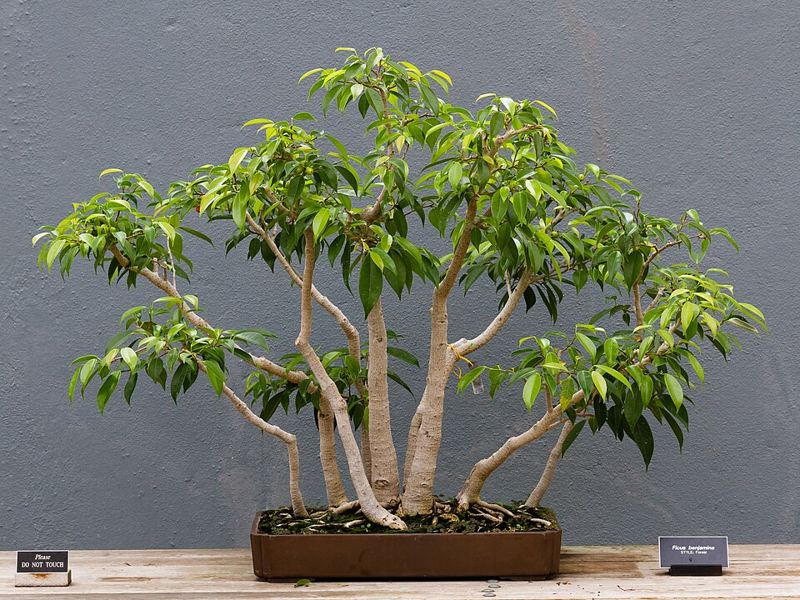 Ficus