

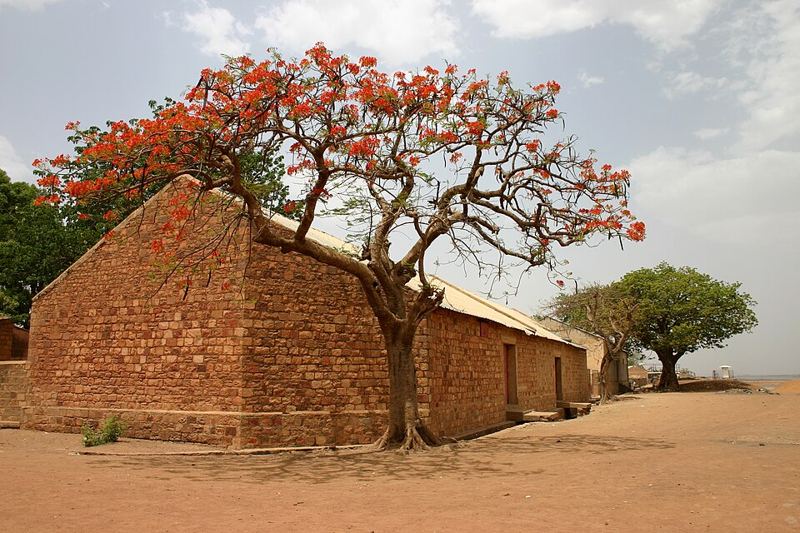
Royal poinciana (Delonix regia) is a big, flat-crowned flowering tree for frost-free climates, and it needs space. UF/IFAS says it is native to Madagascar and known for its showy red to orange flowers, and EDIS says it is often broader than tall, about 40 feet high and 60 feet wide. Plant it in full sun, water it well until it is established, and then it is highly tolerant of drought and salt. Sources give zones 9b to 11 or 10B to 11, so check your own winter lows. It is also called flamboyant or flame tree.
- USDA zones
- 9b–11 (UF/IFAS) or 10B–11 (ST228)
- Sun
- Full sun
- Origin
- Africa
- Size
- About 40 ft high, 60 ft wide (ST228)
- Water
- Regular until established; drought and salt tolerant after
- Bloom time
- May to July (UF/IFAS)
- Invasive status
- Caution, manage to prevent escape (UF/IFAS)
Where can you grow royal poinciana?
It is a deciduous tree, so it can lose its leaves seasonally. UF/IFAS EDIS describes it as a many-branched, broad, spreading, flat-crowned deciduous tree. It makes a good companion to plumeria in a warm-climate garden, since both want full sun and little frost.
How much room does it need?
EDIS says the tree is often broader than tall, growing about 40 feet high and 60 feet wide, and that trunks can exceed 50 inches in diameter. It says not to plant closer than about 10 feet from pavement or sidewalks. That is a shade tree’s footprint, not a patio plant’s, and the sources do not describe it as a container plant.
Sun, soil and water
Sun
Soil
Water
Pruning
Training and pruning
UF/IFAS EDIS says early pruning is required to encourage the development of branches that are well attached to the trunk. It says to train major limbs 8 to 12 feet above the ground and to keep the diameter of major limbs under half the diameter of the trunk. The Gardening Solutions page gives the timing: right before the spring regrowth starts, usually late March into April.
Bloom time
UF/IFAS says the flowers first appear in clusters between May and July and can stay on the tree for a month or more. They are red to orange, and UF/IFAS says yellow cultivars exist.
Common problems
Pests and disease
Thorn bugs
Structure
Space
Is royal poinciana invasive?
UF/IFAS EDIS gives it an Invasive Assessment Status of caution: it may be recommended, but should be managed to prevent escape in the South. The page adds that it is not considered a problem species at this time. If you live in the South, check the current UF/IFAS status for your area before you plant.
Grow these next
For a warm-climate flowering plant with a smaller footprint, plumeria grows to about 30 feet, according to Hawaii CTAHR, and can be grown in a pot where winters are cold. The bird of paradise is another zone 10 to 11 flowerer that spends winters indoors farther north.
Frequently asked questions
What zones does royal poinciana grow in?
The sources differ. UF/IFAS Gardening Solutions says it prefers frost-free areas, generally USDA zones 9b to 11. UF/IFAS EDIS (ST228) lists USDA zones 10B through 11. Both agree it needs a frost-free climate.
How big does a royal poinciana get?
UF/IFAS EDIS says the tree is often broader than tall, growing about 40 feet high and 60 feet wide. It says not to plant closer than about 10 feet from pavement or sidewalks.
When does royal poinciana bloom?
UF/IFAS says the flowers first appear in clusters between May and July and can stay on the tree for a month or more.
When should you prune a royal poinciana?
UF/IFAS says the best time is right before spring regrowth starts, usually late March into April. EDIS says early pruning is needed to encourage branches that are well attached to the trunk.
Is royal poinciana invasive?
UF/IFAS EDIS gives it an Invasive Assessment Status of caution: it may be recommended but should be managed to prevent escape in the South. The same page says it is not considered a problem species at this time.
Sources
- Royal Poinciana, UF/IFAS Gardening Solutions
- Delonix regia: Royal Poinciana (ST228), UF/IFAS Extension (EDIS)
- Thorn bugs (IN332), UF/IFAS Extension (EDIS)
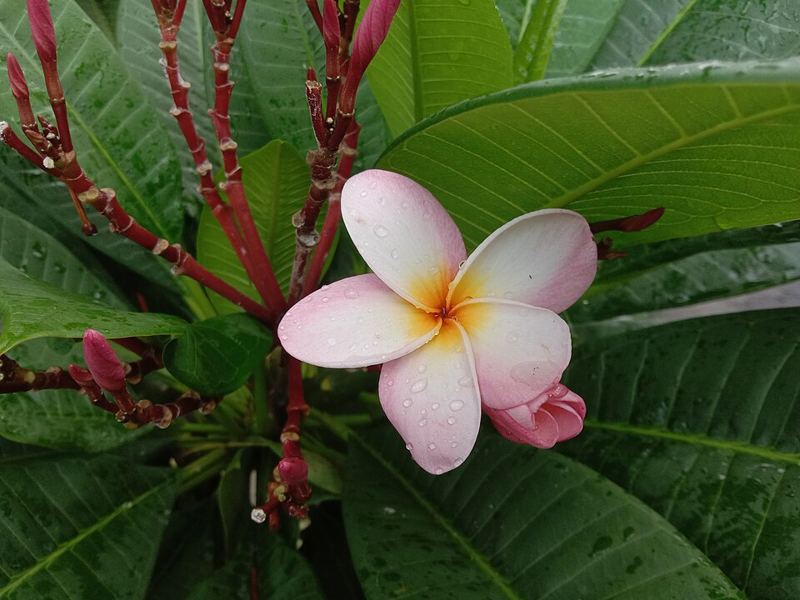 Plumeria
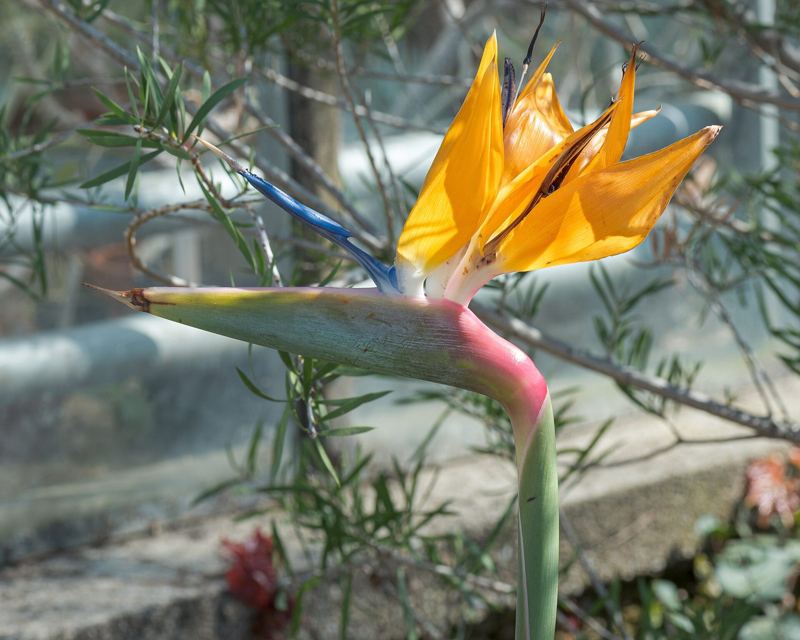 Bird of Paradise