

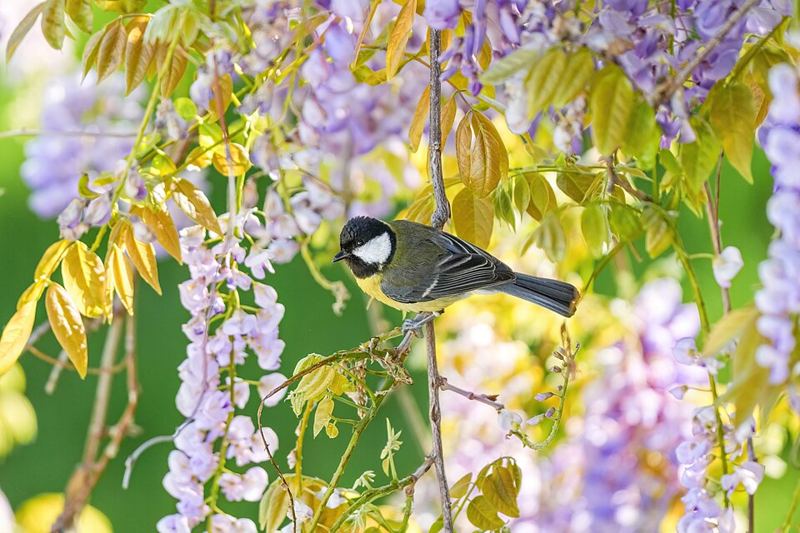
Wisteria is a long-lived, heavy-flowering vine, and the species you choose decides how much trouble it will be. NC State lists American wisteria (Wisteria frutescens), a native of the eastern United States, for USDA zones 5a to 9b and says it is not as aggressive a spreader as Chinese wisteria (W. sinensis). NC State lists Chinese and Japanese wisteria as invasive in North Carolina. Whichever you grow, give it full sun, a sturdy support and patience, because it is slow to establish and slower to bloom. ASPCA lists wisteria as toxic to dogs, cats and horses.
- USDA zones
- 5a–9b (American wisteria, NC State)
- Sun
- Full sun for best flowering; not full shade
- Origin
- Asia
- Soil
- Slightly acidic, humus-rich, moist, well-drained
- Time to bloom
- 2–3 years or longer (NC State); 3+ years (Illinois)
- Pruning
- Right after flowering (NC State)
- Pets
- Toxic to dogs, cats, horses (ASPCA)
American, Chinese or Japanese wisteria?
| American wisteria | Chinese wisteria | |
|---|---|---|
| Species | Wisteria frutescens | Wisteria sinensis |
| Range | Eastern United States | Asian species |
| Spread | Less aggressive (NC State) | Invasive in North Carolina (NC State) |
| Seed pods | — | Drooping clusters of velvety pods that persist into fall |
Japanese wisteria (W. floribunda) is the other Asian species NC State names as invasive. Asian wisteria twines counterclockwise around its support, according to NC State.
Sun, soil and shelter
Sun
Soil
Shelter
Frost
Supports
NC State says wisteria is best grown on a sturdy surface that can support its weight. It lists fences, arbors, pergolas, walls and trellises as uses for American wisteria.
When will wisteria bloom?
Wisteria is slow to establish and slower to bloom, and the sources give different timing. NC State says the vines may produce flowers by the second or third year after planting, but it may take longer. Illinois Extension says three or more years is not uncommon. Plan for two to three years at the earliest, and longer in some plants.
Pruning wisteria
NC State says vines need regular pruning to control the size and shape of the plant and to encourage flowering, and that any drastic pruning is best carried out in the spring, immediately after flowering. Illinois Extension advises keeping pruning to a minimum, right after flowering or in late winter. The two agree on the main window: right after flowering. Our wisteria pruning guide adds the winter and summer schedule.
Problems
NC State says Chinese wisteria has no significant insect or disease problems, though a late spring frost can cause damage. The bigger issue for the Asian types is control. NC State says regular pruning is required for shaping and to control rampant growth and invasive tendency.
Are wisteria plants safe for pets?
ASPCA lists wisteria as toxic to dogs, toxic to cats and toxic to horses. The toxic principles it names are lectin and wisterin glycoside.
Grow these next
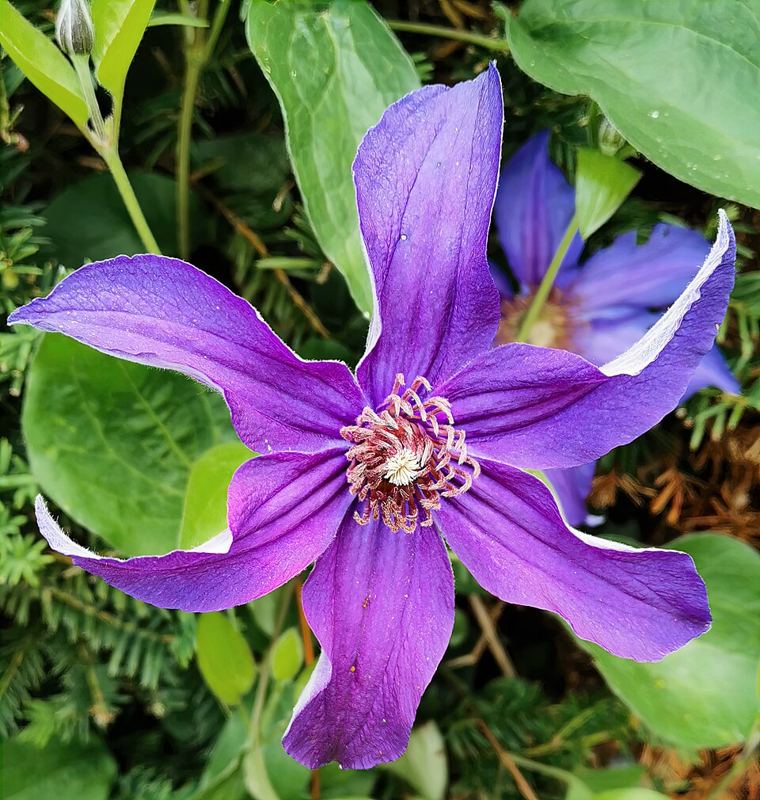
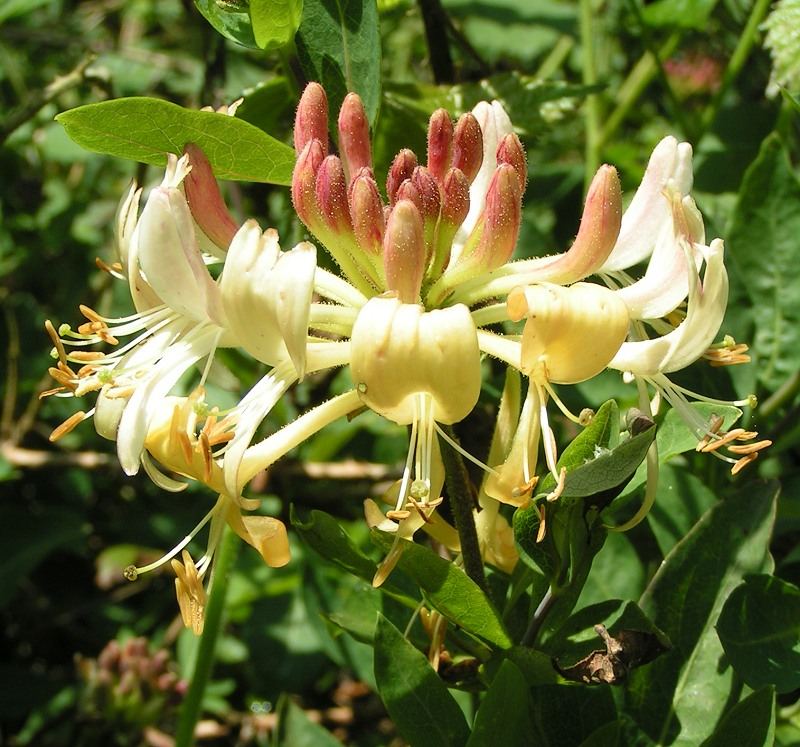
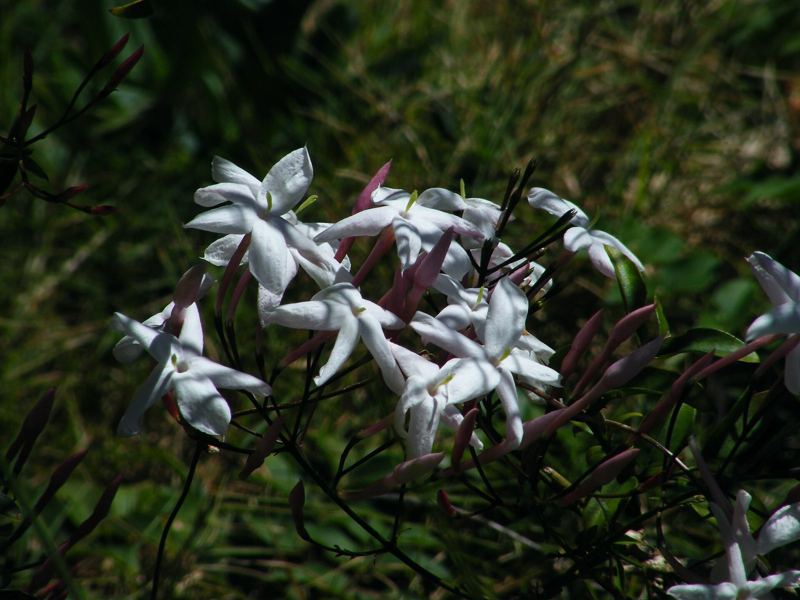
Clematis is the other classic trellis flowerer, with a three-group pruning system. Honeysuckle raises the same native-or-invasive question, and jasmine is the choice for a warm wall in zones 7b to 10b.
Frequently asked questions
Which wisteria should you plant, American or Chinese?
NC State says American wisteria (Wisteria frutescens) is not as aggressive a spreader as Chinese wisteria (W. sinensis), which it lists as an invasive species in North Carolina. NC State recommends 'Amethyst Falls', an American type, as an alternative to the Asian types.
What zones does wisteria grow in?
NC State lists American wisteria for USDA Plant Hardiness Zones 5a through 9b.
How long does wisteria take to bloom?
The sources differ. NC State says the vines may flower by the second or third year after planting, but it may take longer. Illinois Extension says three or more years is not uncommon.
When do you prune wisteria?
NC State says any drastic pruning is best carried out in the spring, immediately after flowering, and that regular pruning controls size and encourages flowering. Illinois Extension advises keeping pruning to a minimum, right after flowering or in late winter.
Is wisteria toxic to pets?
ASPCA lists wisteria as toxic to dogs, cats and horses. The toxic principles it names are lectin and wisterin glycoside.
Sources
- Wisteria frutescens (American wisteria), NC State Extension Plant Toolbox
- Wisteria sinensis (Chinese wisteria), NC State Extension Plant Toolbox
- Kentucky wisteria, University of Illinois Extension
- Wisteria, ASPCA Animal Poison Control
 Clematis
 Honeysuckle
 Jasmine