
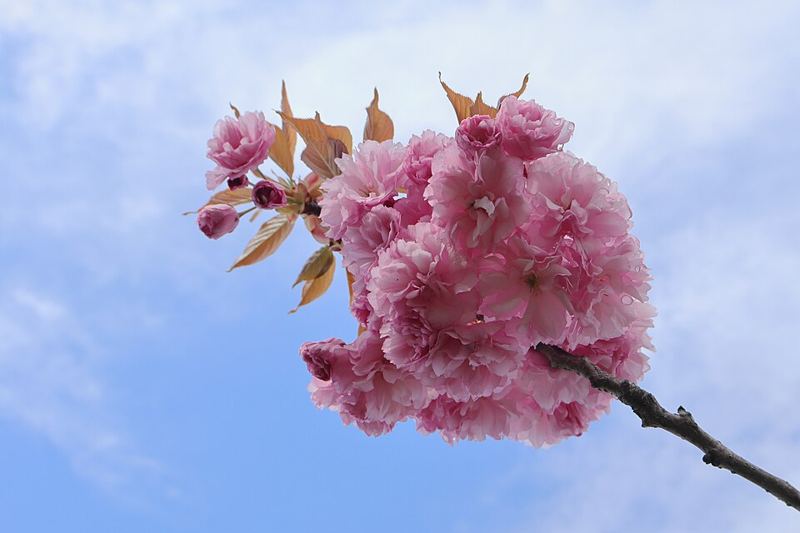
Cherry blossom trees, the Japanese flowering cherry (Prunus serrulata), need full sun, moist well-drained soil with a pH of 6.0 to 7.5, and little pruning, done right after bloom. Clemson says the species grows 15 to 25 feet tall and wide with showy white or pink spring flowers. It is a tree to site carefully: NC State says it does not tolerate poorly drained soil, and Clemson calls the species short-lived. This guide also carries a pet safety note, because the ASPCA lists cherry as toxic to dogs, cats and horses.
- Sun
- Full sun
- Origin
- Asia
- Soil
- Moist, well drained, loamy; not poorly drained
- Soil pH
- 6.0–7.5 (UMD Extension)
- Size
- 15–25 ft tall and wide (Clemson)
- Bloom time
- Early to mid-spring, by cultivar
- Prune
- Little; crossing branches right after flowering
- Pets
- Toxic to dogs, cats and horses (ASPCA, NC State)
Sun and site
NC State says Japanese flowering cherry flowers best in full sun. Clemson says ornamental cherries prefer moist, fast-draining, well-aerated soil and require full sun. NC State says to provide good air circulation to reduce the risk of disease. UMD Extension says to select a site that can accommodate the tree’s mature size and width.
Soil and water
NC State says moist, well-drained, loamy soil, and that the tree does not tolerate poorly drained soils. UMD Extension says ornamental cherry trees grow well in fertile soils with a pH of 6.0 to 7.5. For a new tree, UMD Extension says to water to keep even soil moisture whenever rainfall is under 1 inch a week.
Size
Clemson gives 15 to 25 feet tall and wide for the species. NC State says the ‘Ukon’ cultivar reaches 13 to 26 feet tall and up to 26 feet wide.
When do cherry blossoms bloom?
Clemson says ornamental cherries bloom in early to mid-spring depending on the cultivar, and that the flowers occur before or with the leaves. Flowers range from white to deep pink, in single, semi-double or double forms (NC State). To see where they sit among the other spring bloomers, check our bloom calendar. They are also one of the plants in our Japanese garden plants collection, alongside the Japanese maple.
Pruning
Clemson says ornamental cherries need little pruning: remove dead or diseased wood at any time, and to avoid reducing the following year’s flower display, prune crossing or rubbing branches immediately after flowering. UMD Extension adds to prune out water sprouts and root suckers.
- Any time: remove dead or diseased wood. Clemson says dead or diseased branches can come out whenever you see them.
- Right after flowering: cut crossing branches. This avoids reducing next year’s flower display (Clemson).
- As they appear: remove sprouts and suckers. UMD Extension says to prune out water sprouts and root suckers.
Varieties
NC State lists many cultivars with flowers from white to deep pink. NC State and UMD Extension both point to ‘Kwanzan’ as an example of a more disease-resistant tree, and NC State also names ‘First Lady’.
| Variety | Best for | Size | Flower | Notes |
|---|---|---|---|---|
| Japanese flowering cherry (species) | Spring bloom | 15–25 ft tall and wide (Clemson) | White or pink | Short-lived (Clemson) |
| 'Kwanzan' | Disease resistance | — | — | Cited as a resistant example (UMD Extension, NC State) |
| 'First Lady' | Disease resistance | — | — | Cited by NC State |
| 'Ukon' | A named cultivar | 13–26 ft tall, up to 26 ft wide (NC State) | — | Leaves, stems and seeds are toxic to pets (NC State) |
Common cherry problems
Grow these next
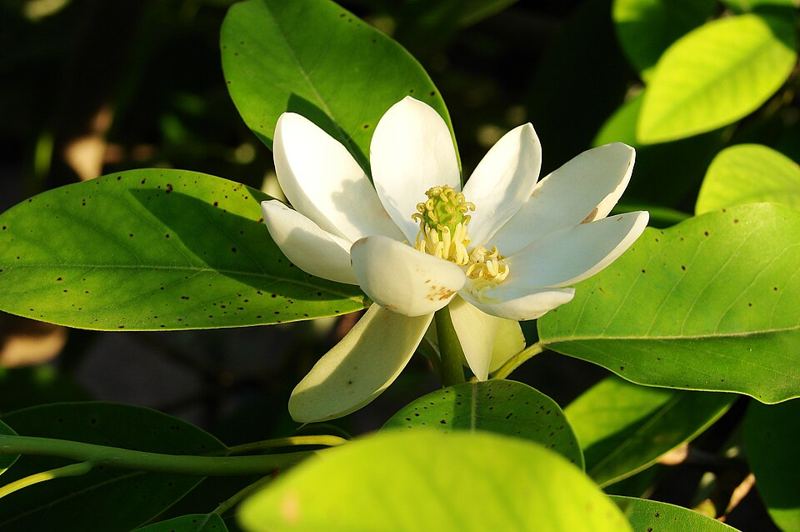
For a tree with fall leaves instead of spring flowers, see our Japanese maple guide. The kousa dogwood guide covers a small tree that flowers a little later in spring, and the magnolia guide covers another tree grown for its large flowers.
Frequently asked questions
How much sun do flowering cherry trees need?
Full sun. NC State says Japanese flowering cherry flowers best in full sun, and Clemson says ornamental cherries prefer moist, fast-draining, well-aerated soil and require full sun.
What soil do cherry blossom trees need?
UMD Extension says ornamental cherries grow well in fertile soils with a pH of 6.0 to 7.5. NC State says moist, well-drained, loamy soil, and that the tree does not tolerate poorly drained soils.
When should you prune a flowering cherry?
Clemson says to prune crossing or rubbing branches immediately after flowering, to avoid reducing the following year's flower display. Dead or diseased wood can be removed any time.
Are cherry blossom trees toxic to pets?
Yes. The ASPCA lists cherry as toxic to dogs, cats and horses, citing cyanogenic glycosides. NC State says the leaves, stems and seeds are toxic to cats, dogs and horses.
How long do flowering cherry trees live?
Clemson describes the species as short-lived, so plan for eventual replacement.
Sources
- Prunus serrulata (Japanese Flowering Cherry), NC State Extension Plant Toolbox
- Prunus serrulata 'Ukon' (Ukon Flowering Cherry), NC State Extension Plant Toolbox
- Ornamental Cherry, Plum, Apricot and Almond, Clemson Cooperative Extension, Home and Garden Information Center
- Ornamental Cherry Trees: Identify and Manage Problems, University of Maryland Extension
- Cherry, ASPCA Animal Poison Control
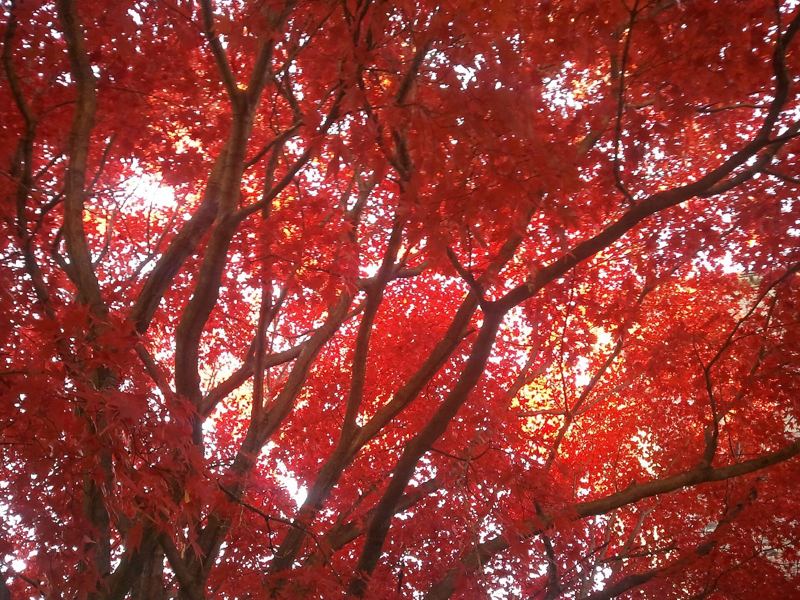 Japanese Maple
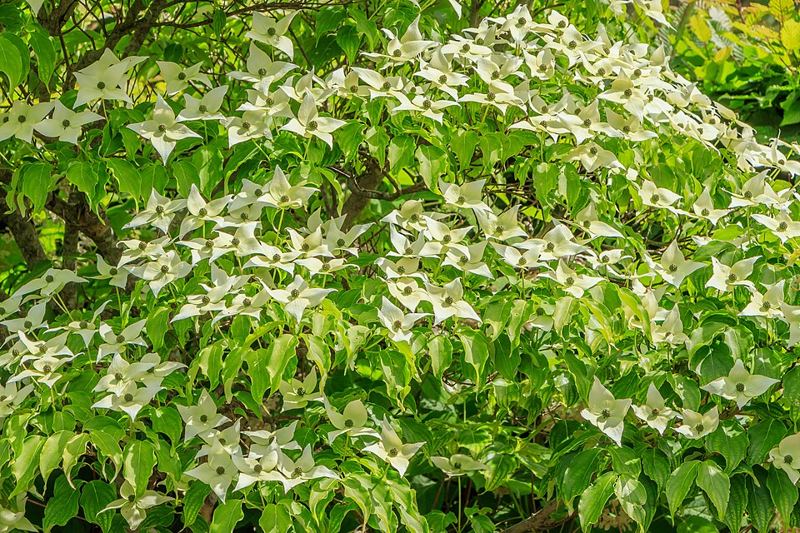 Kousa Dogwood
 Magnolia