

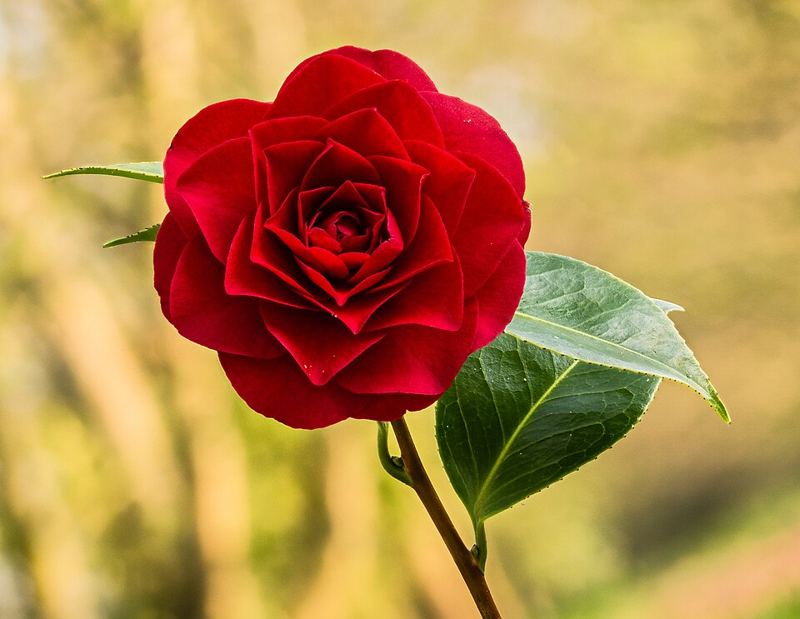
Camellias grow best in partial shade with shelter from drying winter wind, in well-drained, acidic soil rich in organic matter (pH 5.5 to 6.5), and they need only light pruning, done right after the flowers fade. Clemson describes camellias as large, attractive, broad-leaved evergreen shrubs, highly prized for flowers that bloom from winter to spring. The common mistake, says Clemson, is planting them in hot afternoon sun. The Japanese camellia (Camellia japonica) is the shrub this guide follows, and the ASPCA lists camellia as non-toxic to dogs, cats and horses.
- Sun
- Shade to part-shade; shelter from drying winter wind
- Origin
- Asia
- Soil
- Well drained, high in organic matter, acidic
- Soil pH
- 5.5–6.5 (NC State)
- Size (Japanese camellia)
- 6–12 ft tall (up to 25 ft), 6–10 ft wide (Clemson)
- Bloom time
- As early as October to as late as mid-March, by variety
- Prune
- Right after flowering or in early summer
- Pets
- Non-toxic to dogs, cats and horses (ASPCA)
Size and where it fits
Clemson says the Japanese camellia may grow to 25 feet, but more often reaches 6 to 12 feet, with a spread of 6 to 10 feet. Flowers are 3 to 5 inches across. UF/IFAS adds that camellia plants vary widely in mature size and light requirements, so the plant label for your cultivar matters more than any single number. Clemson gives USDA zones 7 to 9 for tea camellia (Camellia sinensis) in South Carolina and says its culture is the same as for other camellia species. Check hardiness for the specific cultivar you buy.
Sun and shade
NC State says camellia prefers shade to part-shade with some protection from drying winter winds. Clemson says many people make the mistake of planting them in hot afternoon sun. NC State also says excess sun, cold or shade can reduce flowering, so the target is a middle path: bright but not baking, and sheltered.
Soil, planting and mulch
NC State says camellias want well-drained soils that are high in organic matter and slightly acidic, pH 5.5 to 6.5. UF/IFAS puts it more bluntly: they demand well-drained soils with an acidic pH, and says camellias are probably best grown in large containers where the soil cannot be modified. NC State says yellow leaves may mean too little acidity in the soil.
- Pick a sheltered, shaded spot. Shade to part-shade, protected from drying winter wind (NC State) and out of hot afternoon sun (Clemson).
- Dig a wide hole. NC State says to dig a large hole, three to four times wider than the root ball but not deeper.
- Plant in acidic, well-drained soil. Slightly acidic, pH 5.5 to 6.5, high in organic matter (NC State).
- Mulch. Clemson says to conserve soil moisture with a 2 to 3 inch layer of mulch.
Water
Clemson says to conserve moisture with mulch. NC State warns that drought in August and September can inhibit flowering in the following spring. The same page says that bud drop can follow over-watering or under-watering, so aim for even moisture rather than swings between dry and soaked.
Feeding
Clemson says light applications of an azalea and camellia fertilizer in spring may be used to maintain dark-green, attractive foliage. It adds that burned leaf edges and excessive leaf drop usually indicate over-fertilizing. Camellias are close cousins in their needs to the azalea, and both like the same acidic soil.
Pruning
NC State says to limit pruning to removing dead or damaged wood, unproductive branches and disproportionately long shoots. Because next year’s blossoms appear on old growth, prune immediately after flowering or in early summer (NC State). For a plant that has outgrown its space, Clemson says cutting back severely, with no leaves left, can be done safely from Valentine’s Day to around May 1.
When camellias bloom
NC State says that, depending on the variety, flowering may start as early as October and finish as late as mid-March. Clemson agrees that camellias bloom anywhere from late fall into early spring depending on the cultivar. NC State says the flowers on each plant will usually last three to four weeks. That puts camellia in the cold-season part of the garden. Our bloom calendar shows where winter flowers sit in the year, and the osmanthus guide covers a fragrant evergreen that flowers in fall.
Propagation
NC State says to propagate camellia by stem cuttings or layering.
Common camellia problems
Choosing a camellia
Clemson says there are more than 2,300 named cultivars registered with the American Camellia Society, from compact plants to large spreading shrubs. Cultivars differ in mature size, light needs and bloom timing, so choose by label and ask your local nursery or extension office what performs well nearby. Camellia is also listed in our Japanese garden plants collection.
Grow these next
Camellias share shade and acid soil with the azalea guide. If you want a shrub with big summer flower heads for a similar spot, read our hydrangea care guide.
Frequently asked questions
How much sun does a camellia need?
NC State says camellia prefers shade to part-shade with some protection from drying winter winds. Clemson says many people make the mistake of planting camellias in hot afternoon sun. NC State adds that excess sun, cold or shade can reduce flowering.
What soil pH do camellias like?
NC State gives well-drained soil high in organic matter and slightly acidic, pH 5.5 to 6.5. UF/IFAS says camellias demand well-drained soils with an acidic pH. NC State says yellow leaves may mean too little acidity in the soil.
When should you prune a camellia?
NC State says to prune immediately after flowering or in early summer, because next year's blossoms appear on old growth. Clemson says a severe cutback can be done safely from Valentine's Day to around May 1.
Why are my camellia buds dropping?
NC State says some bud drop may be natural, but it can also be caused by over-watering or under-watering. It also says drought in August and September can inhibit flowering the following spring.
Are camellias safe for pets?
The ASPCA lists camellia as non-toxic to dogs, cats and horses.
Sources
- Camellia japonica (Common Camellia), NC State Extension Plant Toolbox
- Camellia, Clemson Cooperative Extension, Home and Garden Information Center
- Japanese Camellias, Clemson Cooperative Extension, Home and Garden Information Center
- Camellias at a Glance, UF/IFAS Extension (EDIS)
- Camellias, UF/IFAS Gardening Solutions
- Exobasidium leaf and flower galls: azalea leaf gall, camellia leaf gall, University of Georgia Extension
- Camellia, ASPCA Animal Poison Control
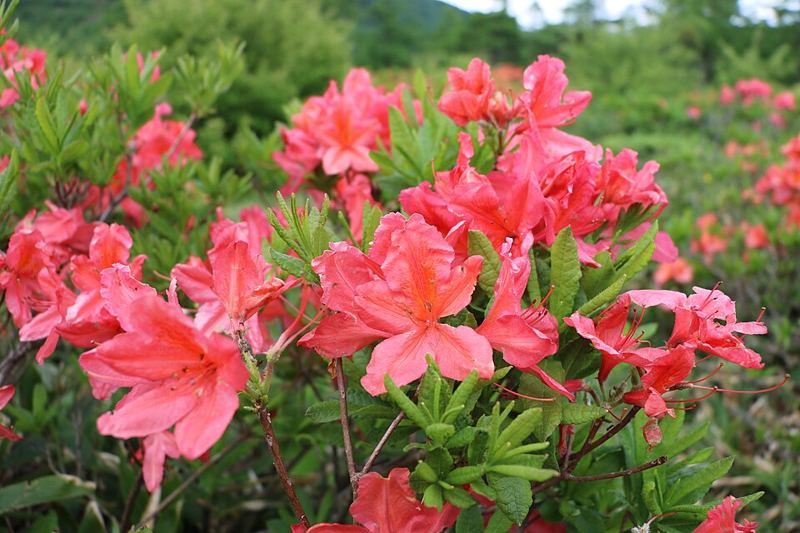 Azalea
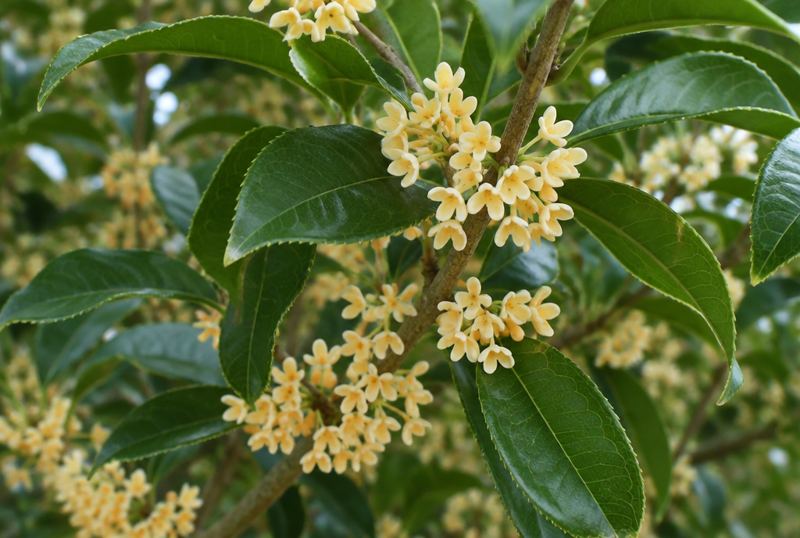 Osmanthus
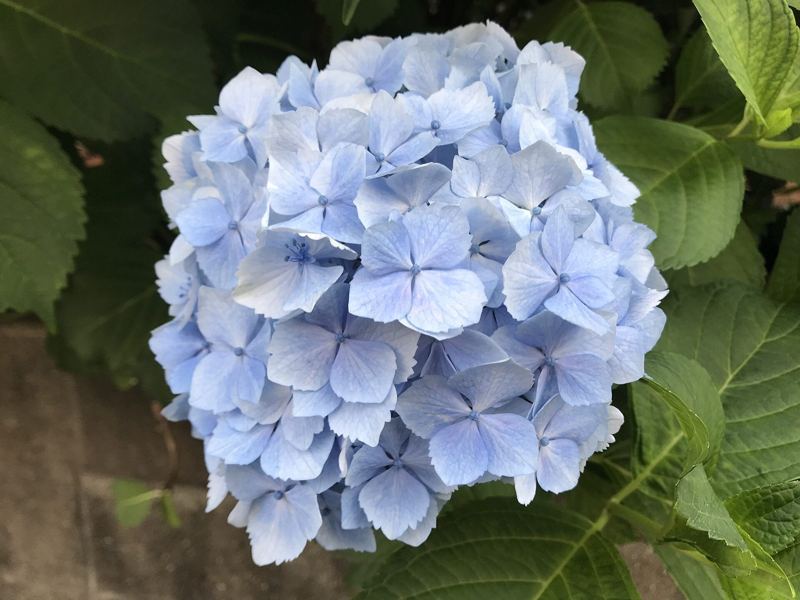 Hydrangea