

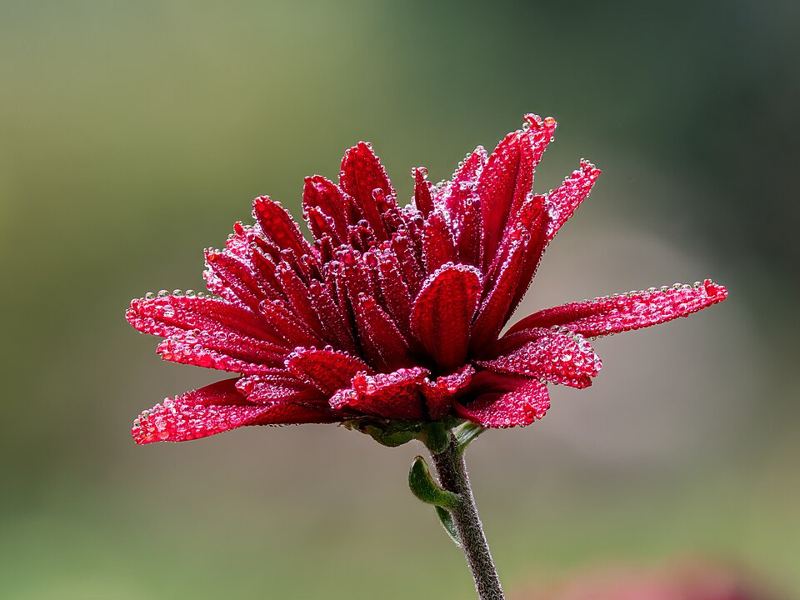
To keep garden mums coming back, plant them in spring, give them full sun and well-drained soil, and pinch them through summer. NC State describes hardy garden mums as herbaceous perennials in the daisy family that flower in autumn, and Penn State says they bloom well after other garden plants have stopped for the season. Illinois Extension says that if you plant them in fall, as most people do, they may struggle to survive winter.
- Sun
- Full sun, 5–6+ hours
- Lifecycle
- Perennial
- Origin
- Asia
- Container friendly
- Yes
- Soil
- Fertile, loamy or sandy, well drained
- Spacing
- 18–30 in apart
- Size
- 1–3 ft tall, 1–2 ft wide
- Bloom time
- Autumn, as days shorten
- Pets
- Toxic to dogs, cats, horses (ASPCA)
| Zones | January | February | March | April | May | June | July | August | September | October | November | December |
|---|---|---|---|---|---|---|---|---|---|---|---|---|
| Zone Perennial mums: plant Mar–Apr | March: plant | April: plant | ||||||||||
| Zone Bloom: bloom Sep–Nov | September: bloom | October: bloom | November: bloom |
- Plant
- Bloom
When to plant
Penn State says early spring is ideal, ideally after all danger of freezing has passed, and that mums can be planted almost any time if the roots can establish at least six weeks before frost. Illinois Extension is more cautious: most planting guides recommend spring planting if you want the plants to remain in your garden as perennials, and fall-planted mums may struggle to survive winter. Potted mums bought in fall are best treated as seasonal color.
Sun, soil and spacing
Penn State says mums need full sun, at least five to six hours daily, with full early-morning sun, and Illinois Extension says more than 6 hours. For soil, Penn State and Illinois both say well-prepared, fertile, well-drained loamy or sandy soil. Illinois says not to plant them in areas with poor drainage or occasional standing water. Space plants 18 to 30 inches apart (Penn State). They form erect mounds 1 to 3 feet tall and 1 to 2 feet wide (NC State).
Water and feeding
Penn State says mums want plenty of moisture while growing, with good air circulation and drainage. Aphids and mildew are the usual troubles, so keeping the foliage dry is a priority. For feeding, Penn State says to give light, frequent feedings of a balanced fertilizer during growth and to stop once flower buds form.
Pinching and deadheading
Pinching is what makes a mum bushy. Penn State says to pinch about 3/4 inch from each branch when plants are 6 inches tall, and again at a foot tall. The last pinch should be 100 days before the bloom you want (Penn State), although NC State says the last cut is around mid-August. Remove faded blooms regularly to prolong flowering (Penn State).
Why mums bloom in fall
Illinois Extension says mums are short-day plants that flower when days are under about 12 hours, so the shortening days of fall are their cue. Illinois also says early- and late-season types are sold, and Penn State says hundreds of varieties differ in height, color, flower size and bloom time. For the rest of the fall garden, see our bloom calendar.
Winter care
Sources differ here. Illinois Extension research favors leaving old growth standing with 4 inches of mulch. Penn State says in one article to cut back after a hard frost and mulch lightly, and in another to not cut back marginally hardy perennials like garden mums. Illinois and Penn State both say hardiness varies, and in colder winters plants may be killed.
Chrysanthemums in containers
NC State says mums work well in containers near a patio or in window boxes.
Common chrysanthemum problems
Pets
The ASPCA lists chrysanthemum as toxic to dogs, cats and horses, and gives vomiting, diarrhea, hypersalivation, incoordination and dermatitis as clinical signs.
Grow these next
Mums are the fall counterpart to tulips, which are planted in fall for spring bloom. See also calla lily for summer color, and our fall bulb planting guide for the other fall jobs.
Frequently asked questions
When should I plant chrysanthemums?
Early spring is ideal, according to Penn State, which says mums can be planted almost any time if roots can establish at least six weeks before frost. Illinois Extension says most guides recommend spring planting if you want mums to stay as perennials, and that fall-planted mums may struggle to survive winter.
How much sun do mums need?
Full sun. Penn State says at least five to six hours daily, with full early-morning sun, and Illinois Extension says more than 6 hours a day.
When should I pinch chrysanthemums?
Penn State says to pinch about 3/4 inch from each branch when plants are 6 inches tall and again at a foot tall, with the last pinch 100 days before bloom. NC State says the last cut is around mid-August.
Should I cut mums back for winter?
Sources differ. Illinois Extension favors leaving old growth standing with 4 inches of mulch. Penn State says in one article to cut back after a hard frost and mulch lightly, and in another not to cut garden mums back.
Are chrysanthemums toxic to pets?
The ASPCA lists chrysanthemum as toxic to dogs, cats and horses. It gives vomiting, diarrhea, hypersalivation, incoordination and dermatitis as clinical signs.
Sources
- Chrysanthemum Care, Penn State Extension
- Planting and Maintaining Perennial Mums, University of Illinois Extension
- Cutting Down Perennials in the Fall, Penn State Extension
- Chrysanthemum x morifolium (hardy garden mum), NC State Extension Plant Toolbox
- Chrysanthemum, ASPCA Animal Poison Control
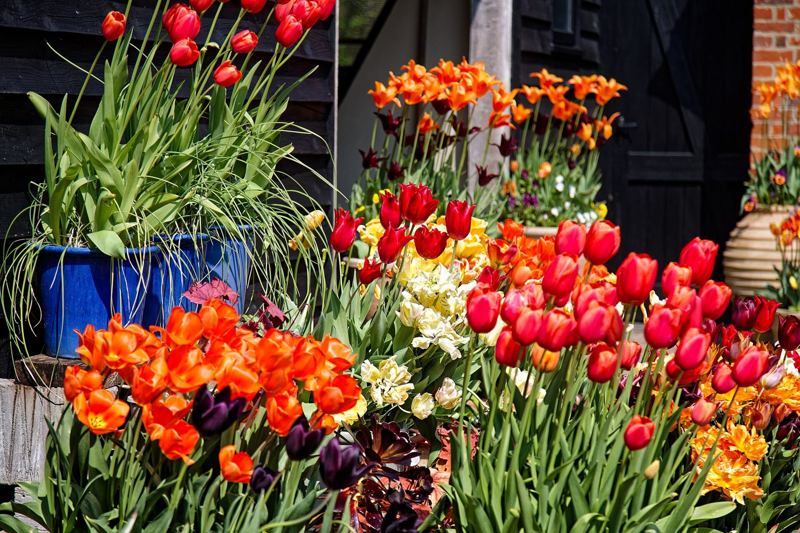 Tulip
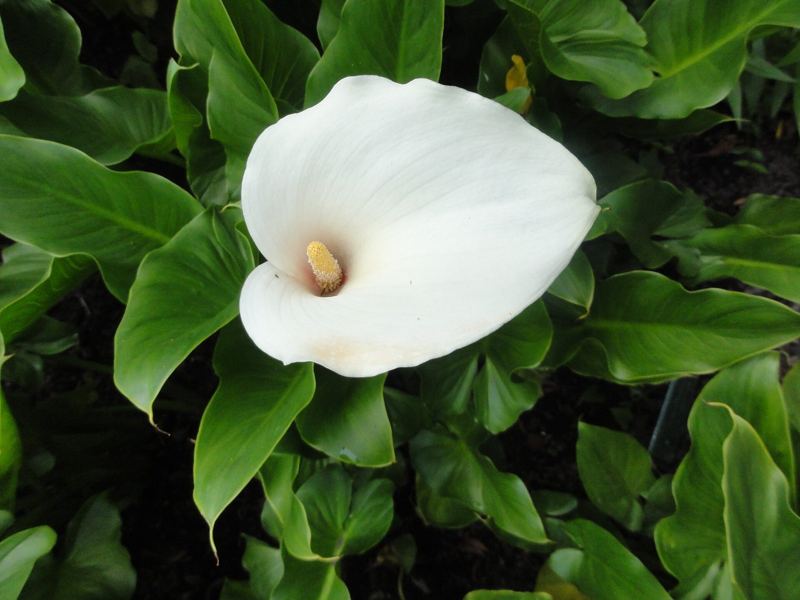 Calla Lily