

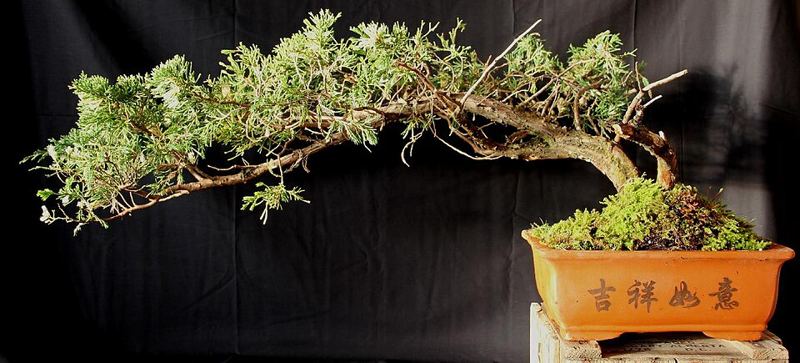
A juniper bonsai belongs outdoors in full sun with good drainage and good air circulation, watered when the soil is dry and protected through winter. Chicago Botanic Garden says that because junipers, whether bonsai or not, are hardy woody plants, they need to be grown outdoors. It describes bonsai as small specimens of regular trees or shrubs trained in pots to grow into beautiful shapes. Much of the advice below comes from Chicago Botanic Garden, a Chicago-area source, so adapt the winter dates to your own climate.
- Sun
- Full sun, good air circulation, good drainage
- Origin
- Asia
- Container friendly
- Yes
- Where
- Outdoors; junipers are hardy woody plants
- Soil
- Bonsai soil; standard potting mix can hold too much moisture
- Water
- When the soil is dry
- Winter
- Protected spot near the house, shredded mulch, off concrete (Chicago Botanic Garden)
- Pruning
- Larger cuts in spring; seal cuts with cut paste
Why a juniper bonsai stays outside
This is the main difference from a ficus bonsai. Chicago Botanic Garden says junipers need to be grown outdoors.
Sun, soil and drainage
Chicago Botanic Garden says junipers must have full sun, good air circulation and good drainage, and Clemson says they require full sun and well-drained soil. For the pot, Chicago Botanic Garden says standard potting mix can hold too much moisture for many species, so use bonsai soil.
Watering
Chicago Botanic Garden’s rule is to water when the soil is dry. Its warning runs in both directions: a tree that is bone dry or standing in water is a concern.
Pruning
Clemson says pruning is necessary to maintain form. Chicago Botanic Garden says it saves larger cuts for spring, when it is safer, rather than making them before winter, and covers all cuts with cut paste to seal the wound and prevent disease and damage to the branch.
Feeding for winter
Chicago Botanic Garden’s general guidance for hardy bonsai, including evergreens, is to stop nitrogen in late summer to early fall and switch to a feed higher in phosphorus and potassium to strengthen the roots.
Winter care
Chicago Botanic Garden’s winter plan for a juniper bonsai is a Chicago-area plan, so adjust the timing for your region.
- Begin winterizing around Thanksgiving. Place the tree in a window well or another protected spot close to the house and cover it with shredded mulch (Chicago Botanic Garden).
- Keep it off concrete. Do not place it on a concrete slab, which conducts cold directly to the roots (Chicago Botanic Garden).
- Protect the pot. Chicago Botanic Garden says to protect the roots by packing mulch around the tree pots.
- Consider an anti-desiccant. Some bonsai gardeners spray evergreens with an anti-desiccant to help prevent winter burning (Chicago Botanic Garden).
- Reintroduce it to the weather in spring. As the warmer days of March approach, Chicago Botanic Garden says to put the plant outside for an hour or two each day.
Chicago Botanic Garden also says to prepare hardy bonsai long before winter and to protect trees from wind.
A juniper bonsai through the year
| Time | What to do | Source |
|---|---|---|
| Spring | Make larger pruning cuts; seal them with cut paste | Chicago Botanic Garden |
| Growing season | Full sun, water when the soil is dry | Chicago Botanic Garden |
| Late summer to early fall | Stop nitrogen; use higher phosphorus and potassium | Chicago Botanic Garden |
| Around Thanksgiving (Chicago area) | Winterize under shredded mulch, off concrete | Chicago Botanic Garden |
| March | Put the plant outside for an hour or two a day | Chicago Botanic Garden |
Problems to watch
Grow these next
A juniper is the evergreen of the group. Compare it with the Chinese elm bonsai guide, the trident maple bonsai guide, and, for a tropical tree that lives indoors in winter, the ficus bonsai guide. All of them are gathered in our bonsai section.
Frequently asked questions
Can a juniper bonsai be kept indoors?
Chicago Botanic Garden says that because junipers, whether they are bonsai or not, are hardy woody plants, they need to be grown outdoors.
How much sun does a juniper bonsai need?
Chicago Botanic Garden says junipers must have full sun, good air circulation and good drainage. Clemson says they require full sun and well-drained soil.
How often should I water a juniper bonsai?
Chicago Botanic Garden says to water when the soil is dry, and that a tree that is bone dry or standing in water is a concern.
How do I protect a juniper bonsai in winter?
Chicago Botanic Garden's approach for its region is to winterize around Thanksgiving by moving the tree to a protected spot close to the house, covering it with shredded mulch and keeping it off a concrete slab that would conduct cold to the roots.
When should I prune a juniper bonsai?
Chicago Botanic Garden says larger cuts wait until spring, when it is safer, and that cuts are covered with cut paste to seal the wound. Clemson says pruning is necessary to maintain form.
Sources
- Care Tips for Bonsai, Chicago Botanic Garden
- Overwintering Your Bonsai, Chicago Botanic Garden
- The Gift of Bonsai, Chicago Botanic Garden
- Junipers, Chicago Botanic Garden Plant Profiles
- Juniper, Clemson Home & Garden Information Center
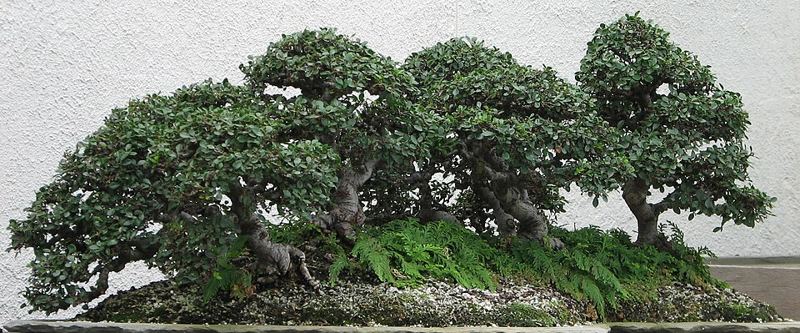 Chinese Elm
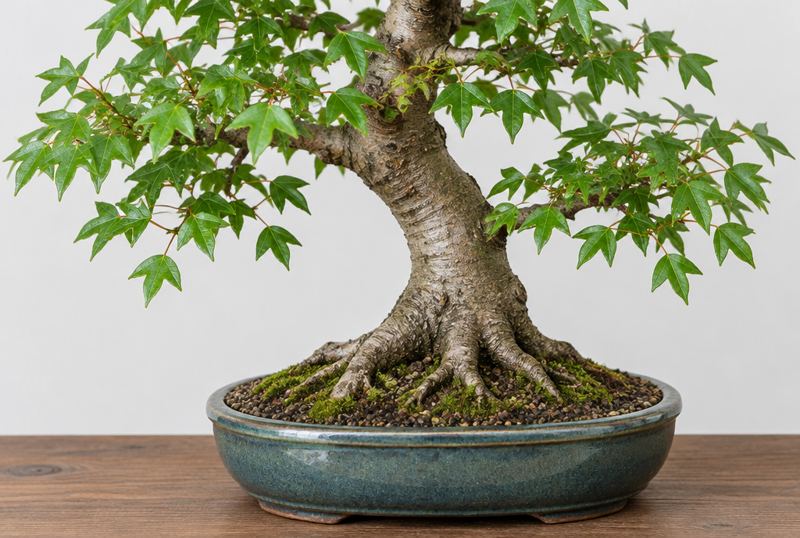 Trident Maple
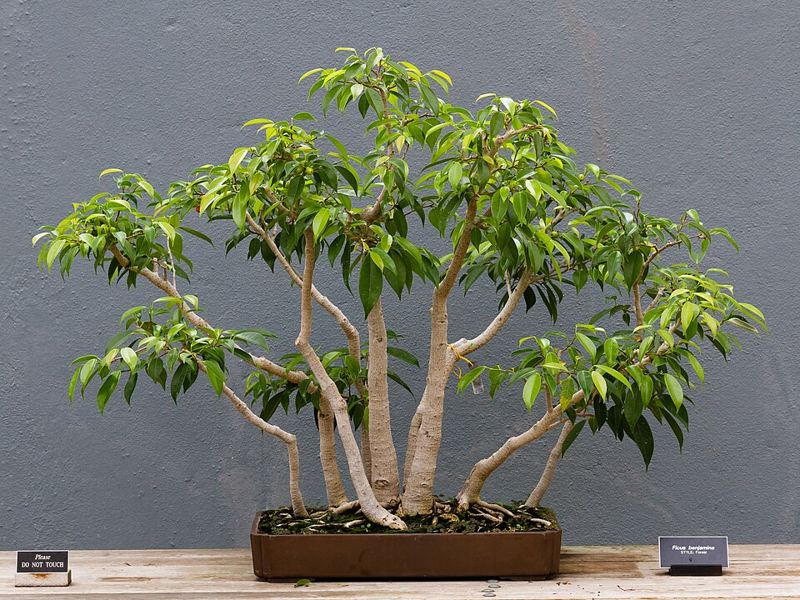 Ficus