

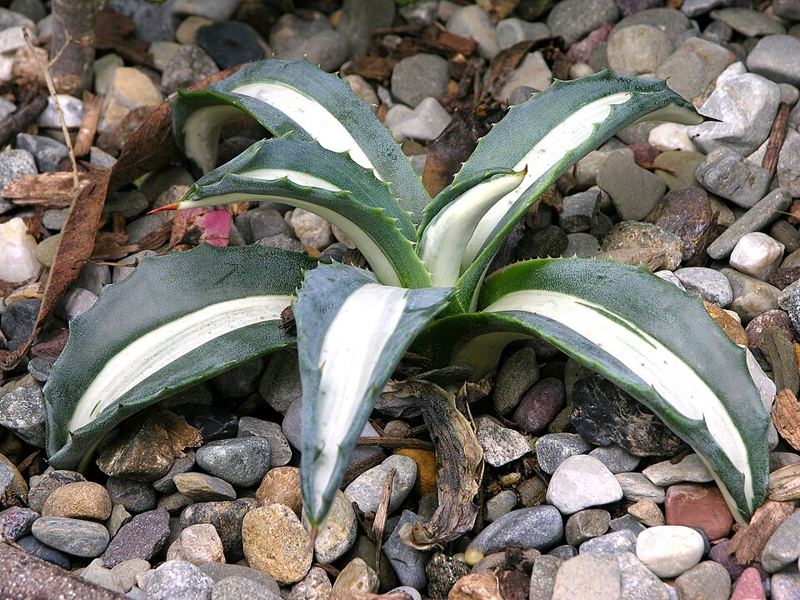
Agave wants full sun, sharply drained sandy soil and very little water, and it needs more room than most people expect. NC State describes it as a rosette of thick, fleshy leaves, most with sharp teeth along the margins and a sharp spine at the tip, and calls its sculptural form a great specimen or accent plant for a winter or drought-tolerant garden. Site it where nobody brushes past it.
- Sun
- Full sun (NC State)
- Origin
- The Americas
- Soil
- Sharply drained, sandy; other well-drained soils tolerated
- Water
- Avoid overwatering; wet soil causes root rot
- Size
- A. americana up to 10 ft (NC State)
- Time to bloom
- 10–25 years (A. americana); 5–60 across the genus
- Containers
- Some species suit pots
Choosing a spot
NC State says agaves require full sun and sharply drained sandy soils. For Agave americana it adds that the plant prefers full sun in well-drained sandy soils but will adapt to other well-drained soils. Drainage is the non-negotiable part. A slope, a raised bed or a gravel-amended planting hole all give water somewhere to go.
Size matters as much as light. NC State says Agave americana can get quite large, up to 10 feet, with large spiny leaves, so choose your planting site carefully. Keep it away from paths, doorways and play areas, because the teeth and the tip spine are sharp.
Agave is a large genus, so check the zone on the label of the species you buy. If it gives none, keep the plant in a pot and bring it inside for winter.
Water
Agave is a plant for the dry end of the garden. NC State’s one watering warning is that root rot can occur from too-wet soil and overwatering. On its Agave americana page it says root rot may occur particularly in poorly drained or overly moist soil. Plant it where rain drains away and do not put it on the same irrigation line as a lawn or a bed of thirsty perennials.
Care through the year
Sun
Soil
Pruning
Pests
Bloom: a once-in-a-lifetime event
Agaves are not grown for regular flowers. NC State says Agave americana can take 10 to 25 years to bloom, and once it does flower the main plant dies. For the genus, NC State says the plants can take 5 to 60 years to produce a tall stalk from the center of the rosette. Plan for the plant as a foliage specimen, and treat any flower as a rare bonus.
Agave in containers
NC State says some agaves are appropriate for containers and houseplants. Which ones is not spelled out, so match the plant’s mature size to the pot before you buy: a species that can reach 10 feet is not a patio plant. Use sharply drained mix and a pot with a drainage hole, as you would for any desert plant, and see our succulent care guide for general potting and watering rules.
Common agave problems
Pair it with other desert plants
Agave looks best next to other plants with the same needs. The prickly pear shares its full sun and sharp drainage, and our cactus guide explains why desert cacti and holiday cacti want opposite conditions. The wider group is in our desert plants collection.
Frequently asked questions
How much sun does an agave need?
Full sun. NC State says agave requires full sun and sharply drained sandy soils, and that Agave americana prefers full sun in well-drained sandy soils but will adapt to other well-drained soils.
How big does agave get?
It depends on the species. NC State says Agave americana can get quite large, up to 10 feet, with large spiny leaves, so it advises choosing the planting site carefully.
How long does it take an agave to bloom?
A long time. NC State says Agave americana can take 10 to 25 years to bloom and the main plant dies once it flowers. Across the genus it gives 5 to 60 years for a tall stalk to rise from the center of the rosette.
Can you grow agave in a pot?
Some species, yes. NC State says some agaves are appropriate for containers and houseplants. It does not say which species, so check the label for the mature size before you buy.
Why is my agave rotting?
NC State says root rot can occur from too-wet soil and overwatering, particularly in poorly drained or overly moist soil. Sharp drainage and light watering are the fix.
Sources
- Agave (agave), NC State Extension Plant Toolbox
- Agave americana (maguey), NC State Extension Plant Toolbox
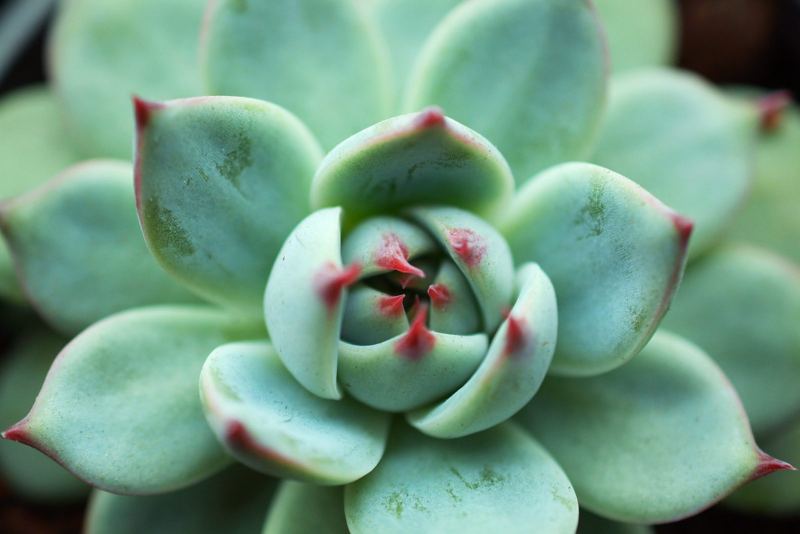 Succulents
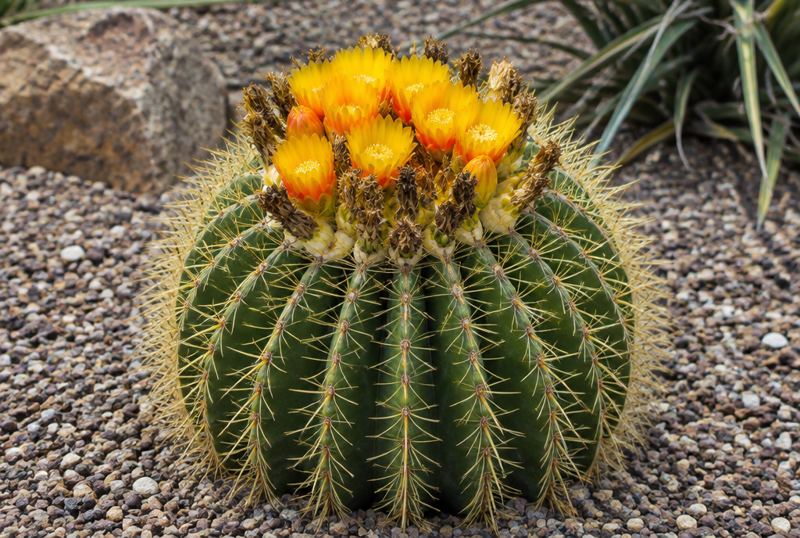 Cactus
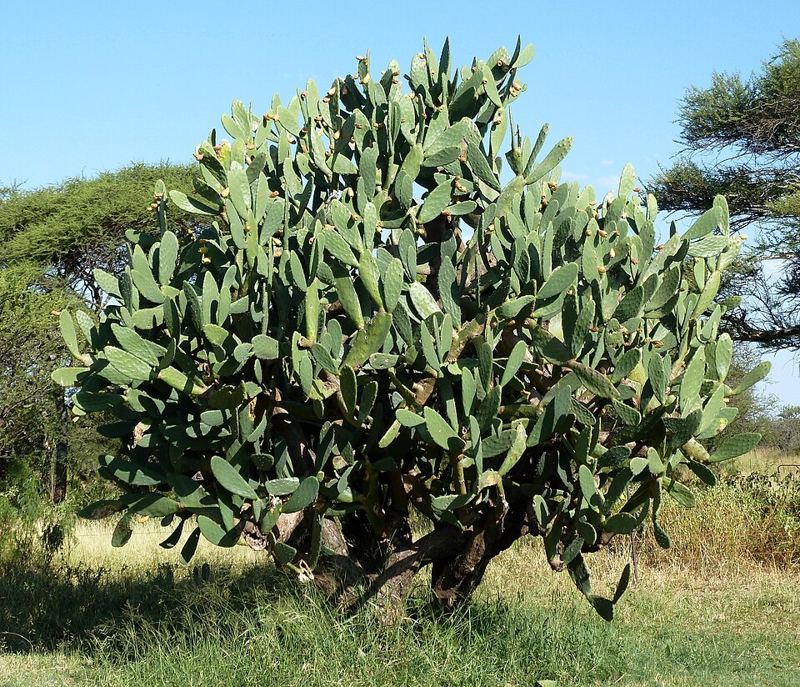 Prickly Pear