

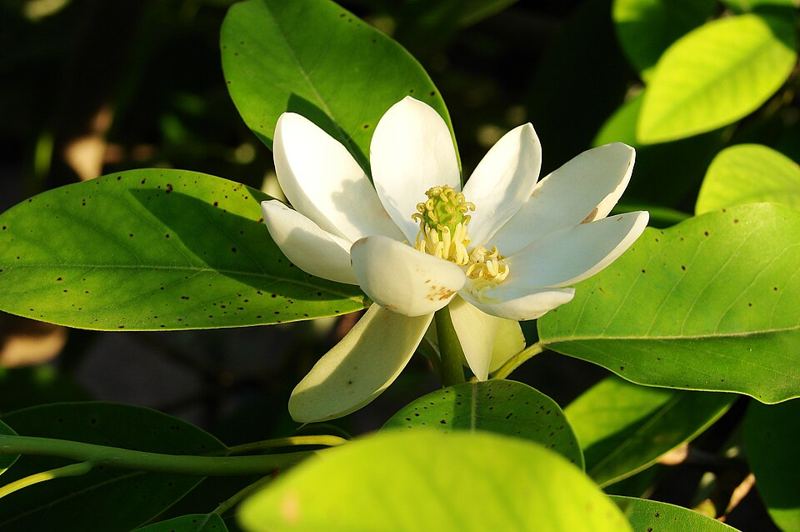
Magnolias grow best in full sun, in organically rich, acidic to neutral, well-drained soil, sited away from frost pockets and cold wind, and pruned after flowering. Clemson says the family runs from the 3-inch star magnolia to the 80-foot southern magnolia, so the first decision is which one. NC State says star magnolia suffers when late frost catches early buds, which is why the site matters as much as the soil.
- Origin
- Asia
- Sun
- Full sun (star magnolia); avoid southern exposures
- Soil
- Organically rich, acidic to neutral, well drained
- Water
- Consistent moisture in summer; not too wet or dry
- Star magnolia size
- 15–20 ft tall, 10–15 ft wide (NC State)
- Southern magnolia size
- 60–80 ft tall, 30–40 ft wide (UF/IFAS)
- Prune
- After flowering
Choose the species first
Clemson says magnolias include trees and tall shrubs, with large fragrant flowers. Species and cultivars differ in size, bloom time and form.
| Variety | Best for | Mature size | Bloom | Notes |
|---|---|---|---|---|
| Star magnolia (M. stellata) | Smaller gardens | 15–20 ft tall, 10–15 ft wide (NC State) | Late winter to early spring | Early buds are damaged by late frost (NC State) |
| Southern magnolia (M. grandiflora) | Large landscapes | 60–80 ft tall, 30–40 ft wide (UF/IFAS) | — | Moderate growth to 80 ft or more (UF/IFAS); needs little pruning (Clemson) |
| 'Butterflies' | Yellow flowers | — | Canary yellow, non-fading; bloom period about a week (NC State) | Prune after flowering (NC State) |
| 'Waterlily' | A named cultivar | — | — | Named by Clemson |
Sun and site
NC State says to give star magnolia full sun, in a spot that avoids southern exposures where the buds may be induced to open too early and then be damaged. It also recommends protection from strong winds and says to avoid cold, dry winds, which can damage early spring buds and flowers. The ‘Butterflies’ page repeats the advice to avoid southern exposures that can bring on premature blooming.
Soil and water
NC State says organically rich, acidic to neutral, well-drained loam, and that sites with wet or poor drainage result in poor performance. It also says star magnolia is intolerant of soil that is too dry or too wet, and wants consistent moisture in summer. UF/IFAS says to keep trees healthy with regular fertilization and watering in dry weather. Clemson says fertilizer and water speed growth.
Planting time
Clemson says to plant field-grown trees in late winter or early spring, and container-grown trees in early fall for the best root establishment. UF/IFAS says trees often transplant best in winter and spring, not in the fall. The sources differ on fall planting for container trees, so ask your local extension office what suits your climate.
- Pick the species for the space. Check mature size against the site (NC State, UF/IFAS).
- Choose a sheltered, non-southern spot. Protect buds from late frost and cold, dry wind (NC State).
- Plant at the right time. Late winter or early spring for field-grown trees; early fall for container-grown (Clemson).
- Keep moisture even and fertilize regularly. Consistent summer moisture and regular feeding keep trees healthy (NC State, UF/IFAS).
Pruning
The sources differ on timing. Clemson says to prune after flowering and says southern magnolia needs little pruning. NC State says to prune or remove dead or dying branches in spring after flowering has completed. Illinois Extension says pruning on fleshy-rooted plants like magnolia is best done in early spring before growth resumes.
When magnolias bloom
Clemson says some magnolias bloom in early spring before the leaves develop, while others flower in summer in full foliage. NC State says star magnolia blooms in late winter to early spring, and that ‘Butterflies’ has a bloom period of approximately one week. To plan around it, see our bloom calendar.
Propagation and patience
Clemson says seedlings can take years to bloom: one may not bloom for 15 to 20 years, another in three. Clemson also says some magnolias are used as container or patio trees.
Common magnolia problems
Grow these next
For another spring-flowering tree, see our cherry blossom guide, and for a small tree that flowers later in spring, the kousa dogwood guide. Our Japanese maple guide covers a foliage tree for a similar sheltered site.
Frequently asked questions
How big do magnolias get?
It depends on the species. Clemson says magnolias range from a 3-inch star magnolia to the 80-foot southern magnolia. NC State gives star magnolia as 15 to 20 feet tall and 10 to 15 feet wide, and UF/IFAS gives southern magnolia as 60 to 80 feet tall and 30 to 40 feet wide.
When should you prune a magnolia?
Clemson and NC State say to prune after flowering, and NC State says that is the time to remove dead or dying branches. Illinois Extension says pruning fleshy-rooted plants such as magnolia is best done in early spring before growth resumes.
What soil do magnolias need?
NC State says organically rich, acidic to neutral, well-drained loam. Wet or poorly drained sites result in poor performance.
Why did frost damage my magnolia flowers?
NC State says early buds and flowers are damaged by late frost and cold, dry winds, and recommends avoiding southern exposures where buds may be induced to open too early.
How long does a magnolia take to bloom from seed?
Clemson says one seedling may not bloom for 15 to 20 years, while another may bloom in three years.
Sources
- Magnolia, Clemson Cooperative Extension, Home and Garden Information Center
- Magnolia grandiflora (Southern Trees, ST371), UF/IFAS Extension (EDIS)
- Magnolia stellata (Star Magnolia), NC State Extension Plant Toolbox
- Magnolia 'Butterflies', NC State Extension Plant Toolbox
- Pruning magnolia, University of Illinois Extension, Ask Extension
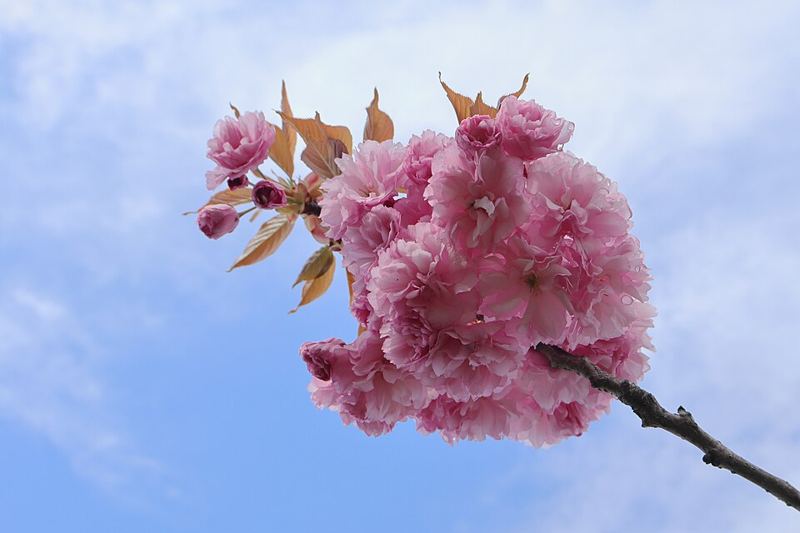 Cherry Blossom
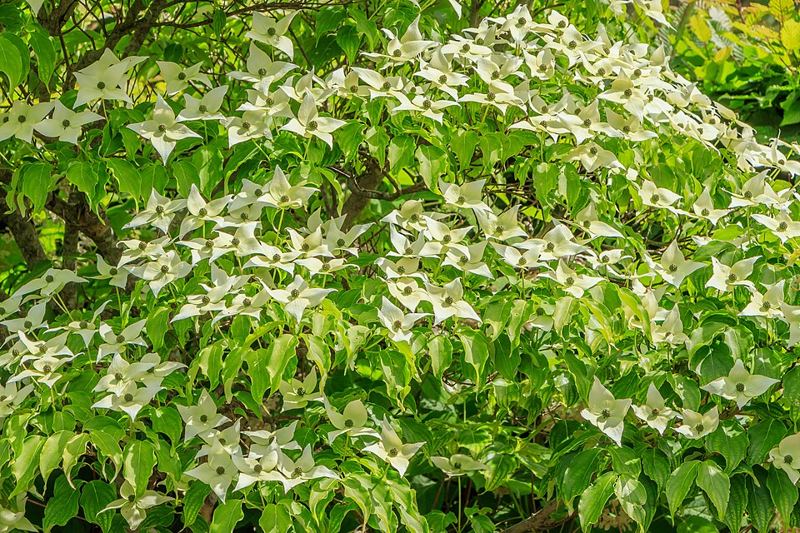 Kousa Dogwood
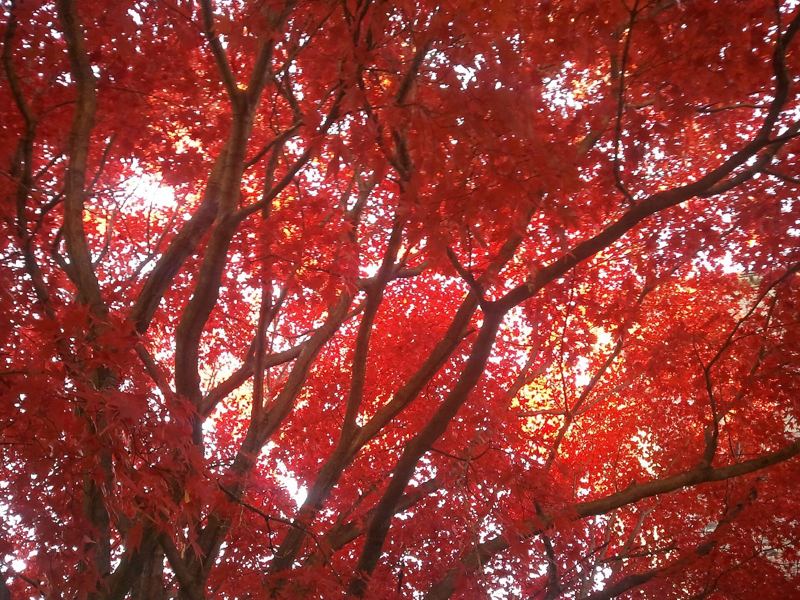 Japanese Maple