

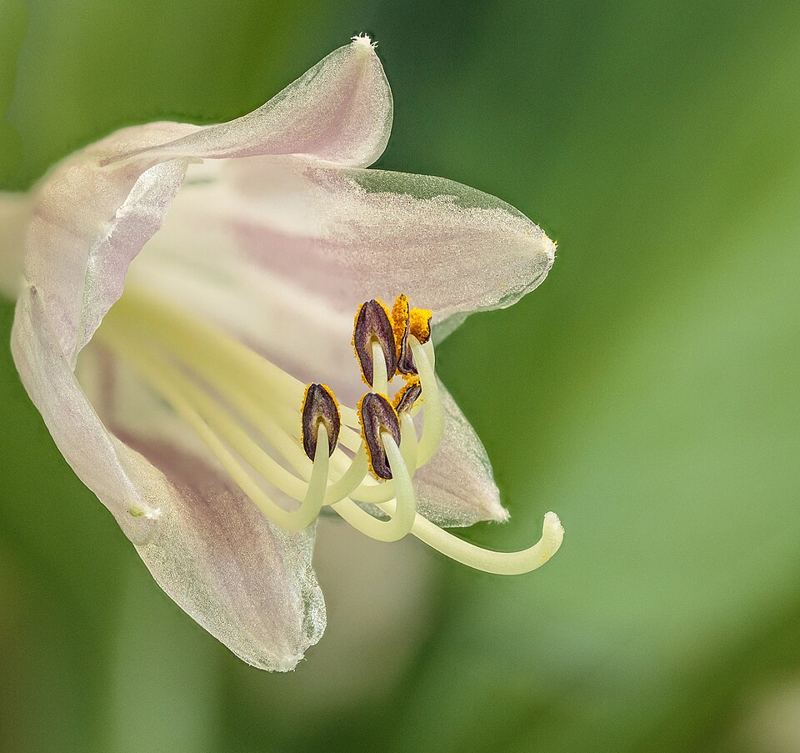
Hostas are easy-to-grow, shade-tolerant perennials for zones 3 to 8, grown mainly for their foliage, and they do best in part shade with soil that is well drained and never allowed to dry out. Clemson describes them that way, and Cornell adds that they prefer part shade, with full morning sun usually beneficial. They flower from early summer to fall depending on species and cultivar (Clemson). The main care jobs are water, an occasional division, and slug control.
- USDA zones
- 3–8 (Cornell)
- Sun
- Part shade; morning sun usually beneficial (Cornell)
- Origin
- Asia
- Soil
- Well drained but kept moist
- Size
- Most 1–2.5 ft; Cornell lists 2–3 ft tall, 2–4 ft wide
- Bloom time
- Early summer to fall, by cultivar
- Divide
- Spring, as growing tips emerge
What hostas are
Clemson says hostas are grown mainly for their beautiful foliage, and that most grow 1 to 2.5 feet tall, with the largest reaching 4 feet and 20-inch-long leaves. Cornell gives a mature height of 2 to 3 feet and a spread of 2 to 4 feet. Iowa State says there are hundreds of hosta cultivars, in many colors, sizes and leaf patterns. The photo at the top of this page shows a flower: they are produced from early summer to fall (Clemson).
Sun, soil and water
Sun. Cornell says hostas prefer part shade and that full morning sun is usually beneficial.
Soil. Cornell says that in addition to being well drained, the soil must be kept moist.
Water. Cornell says that if allowed to dry out, hostas produce smaller leaves that turn brown and papery around the edges.
Planting and spacing
Plant where the hosta has room for its mature spread of 2 to 4 feet (Cornell), in part shade and in soil that is well drained and kept moist.
Dividing hostas
The sources differ on how often to divide.
Iowa State
Cornell
The two fit together: Cornell says when, in terms of the plant’s age, and Iowa State says when in the year. A hosta that has matured and needs dividing is divided in spring, with at least 2 or 3 points per piece.
Flowers and fall cleanup
Iowa State says that if you do not want the flowers, they can simply be pruned out at the base when they appear. In fall, Illinois Extension says to cut back your hosta foliage and petioles once the fall color subsides. Cornell says to remove dead leaves and weed around the plants to reduce problems.
Common hosta problems
Hosta varieties named in our sources
| Variety | Best for | Foliage | Color | Notes |
|---|---|---|---|---|
| Aurora Borealis | Gold-marked leaves | Gold markings on the foliage | — | Named by Cornell |
| Elegans | Blue foliage | — | Steel blue | Named by Cornell |
Iowa State says there are hundreds of cultivars in many colors, sizes and leaf patterns, so these two are examples rather than a ranking.
Grow these next
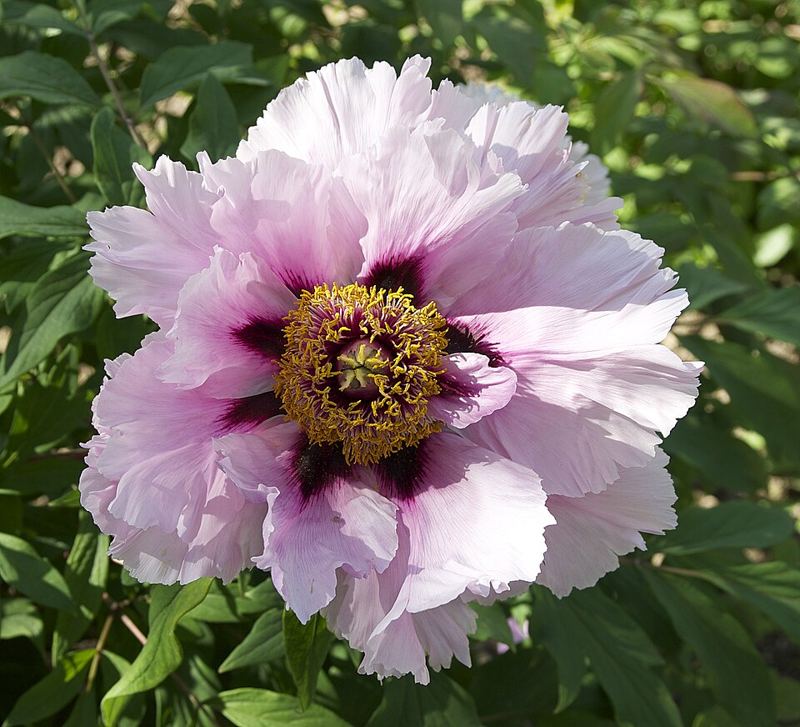
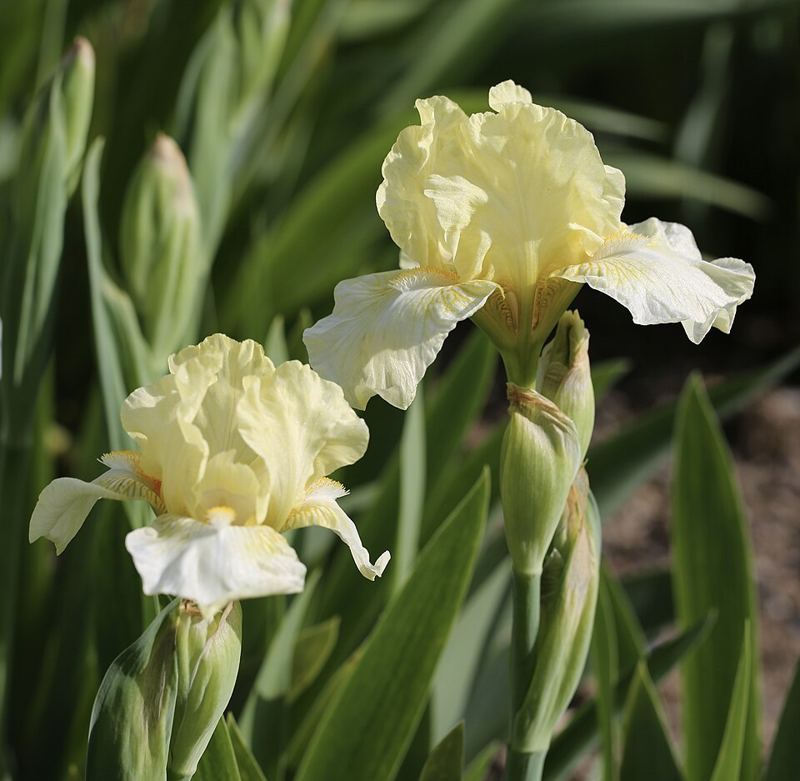
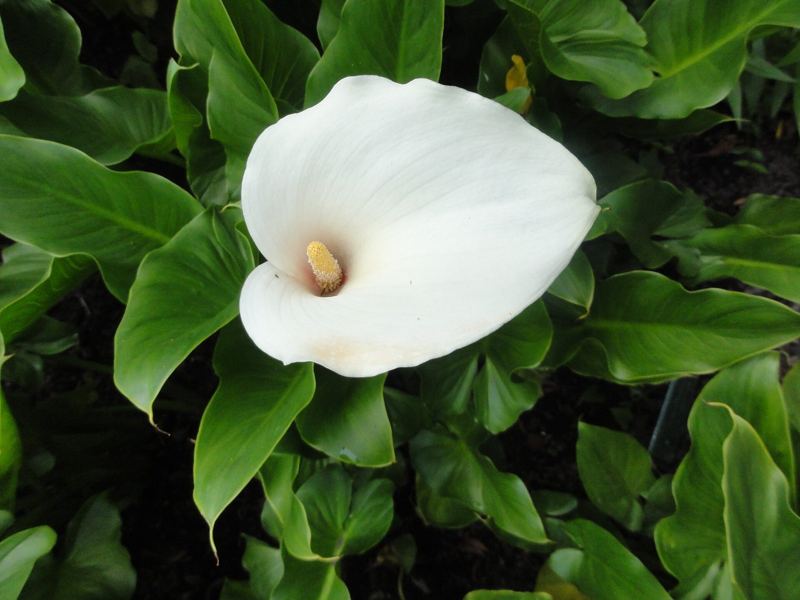
Hostas pair well with other perennials that come back each year. Peony is a long-lived sun lover that fills the same kind of border, and iris is the divide-every-few-years perennial for sunnier spots. For a summer-flowering plant grown from rhizomes, see the calla lily guide.
Frequently asked questions
How much sun do hostas need?
Cornell says hostas prefer part shade and that full morning sun is usually beneficial. Clemson calls them shade-tolerant perennials grown mainly for their foliage.
What zones do hostas grow in?
Cornell gives hardiness zones 3 to 8.
When should you divide hostas?
Iowa State says spring is the best time, as the growing tips emerge, with at least 2 or 3 points on each section. Cornell takes a lighter approach: divide only if necessary, after the plant has matured in 4 to 5 years.
Why are my hosta leaves small and brown at the edges?
Cornell says hostas allowed to dry out produce smaller leaves that turn brown and papery around the edges. The soil should be well drained but also kept moist.
Should I cut back hostas in fall?
Illinois Extension says that once fall color subsides, cut back the foliage and petioles. Cornell says to remove dead leaves and weed around plants to reduce problems.
Sources
- All About Hostas, Iowa State University Extension, Yard and Garden
- Hosta, Clemson Cooperative Extension, Home and Garden Information Center
- Hosta, Cornell Garden-Based Learning
- Take Care of Hostas Going Into Winter, University of Illinois Extension
- When Is the Best Time to Divide Hostas?, Iowa State University Extension, Yard and Garden
 Peony
 Iris
 Calla Lily