

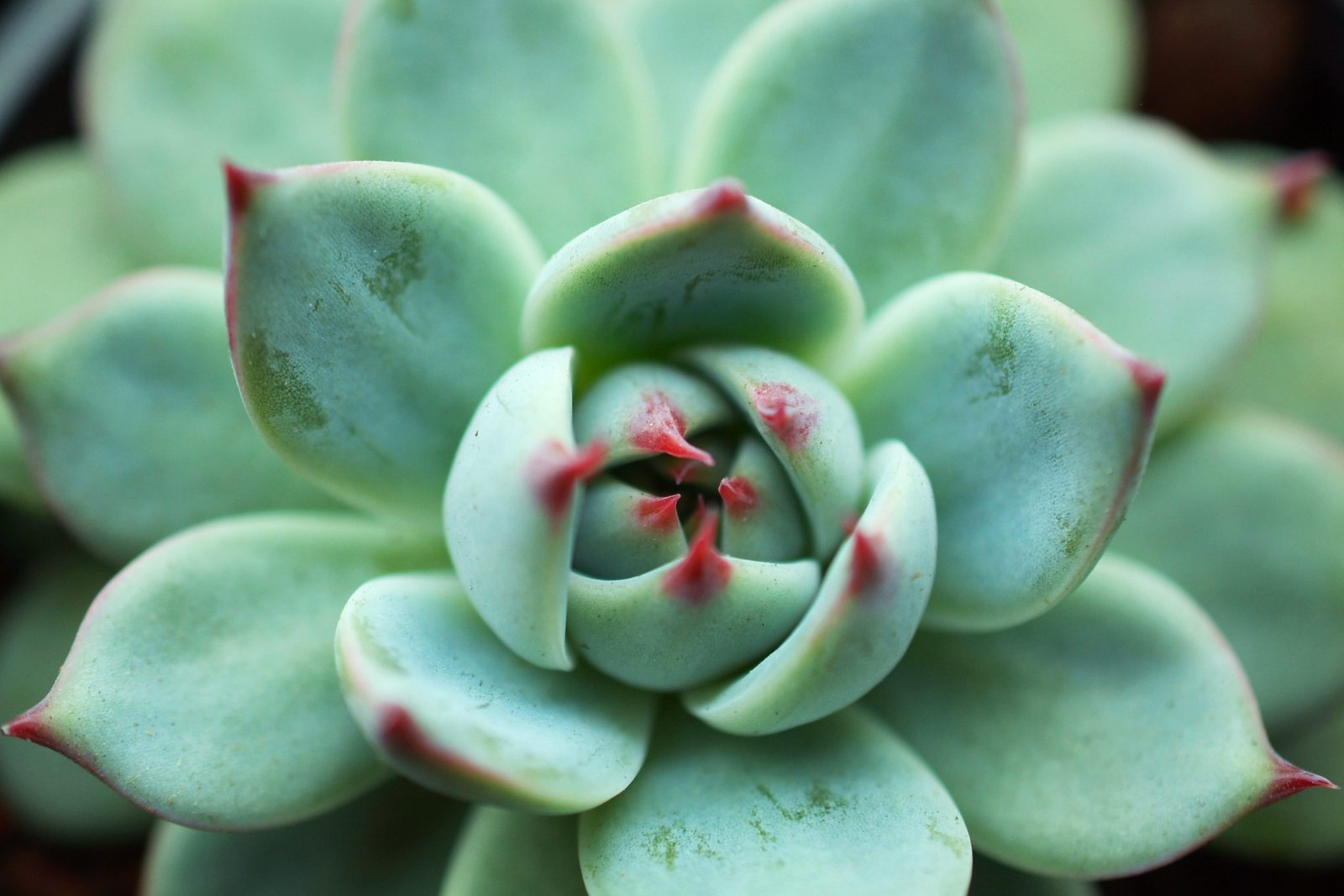
Succulents are easy if you do three things: give them six or more hours of bright light, use a gritty mix in a pot with drainage holes, and water only when the soil is completely dry. Illinois Extension names overly moist soil resulting in root rot as the number one killer. “Succulent” covers many plants, so how hardy yours is depends on the type. Illinois says the hardy ones usually survive down to Zone 5, some even to Zone 4, while soft succulents can only be planted outside in zones 9, 10 and 11. For most of the US, that means a pot that comes in for winter. This guide covers general succulent care, not one genus.
- Sun
- Full sun
- Water
- Only when soil is fully dry
- Origin
- Africa
- Container friendly
- Yes
- USDA zones
- Hardy types 4–5+; soft types 9–11
- Light
- About 6 hours; 6–8 indoors
- Soil
- Cactus mix, or 1 part organic : 2 parts mineral
- Pot
- Drainage hole; terracotta dries faster
- Winter
- Dormant; water less, no fertilizer
Hardy or soft: outdoors or in a pot?
The two Illinois Extension articles draw the line. Hardy succulents can usually survive down to Zone 5, and some even to Zone 4. Soft succulents can only be planted outside in much warmer zones such as 9, 10 and 11. Oregon State says hardiness varies a lot by type: some tolerate temperatures as low as -20°F (-29°C), while others thrive indoors near bright windows. Penn State says succulent containers can be moved outdoors after the danger of frost has passed.
So the rule is to know what you bought. Our sources name a few plants but do not sort them into hardy and soft lists. Penn State’s examples are jade plant, aloe vera, snake plant, string of pearls, flowering kalanchoe and crown of thorns; Oregon State picks out Firesticks (Euphorbia tirucalla ‘Sticks on Fire’) for its vivid green, yellow and red stems. If the label does not give a zone, keep the plant in a pot and bring it in before frost.
Light
Penn State says most succulents prefer about six hours of sunlight daily, but they can get sunburned easily. Illinois Extension says they do best in a window with bright indirect sunlight for about 6 hours a day, and recommends at least six to eight hours of bright sunlight indoors. If your windows are dim, Illinois says to rotate succulents between sunny windows or add fluorescent or LED lights.
Too little light shows up as stretching: Illinois says without adequate light succulents begin to stretch and elongate, and colorful ones begin to revert to green. Too much, too suddenly, burns. When you move a plant outside, Illinois says to transition it slowly, because unfiltered sunlight is much more intense, causing leaves to burn. Our indoor succulent guide covers windows and grow lights in more detail.
Water
Illinois Extension’s rule is the same in both of its articles: only water succulents when the soil is completely dry, and water deeply until water runs out of the drainage holes. Penn State says to put a finger in the soil to determine when it is dry.
How often that works out is where sources differ.
Illinois Extension
Oregon State
The sources agree on the method (soil fully dry, then a deep soak) and not on a calendar, so judge by the soil and the season.
Soil and pots
Illinois Extension says to choose a mix labeled for succulents and cacti, or mix your own with one part organic matter such as potting soil or coir and two parts mineral such as coarse sand, perlite or pumice. Oregon State says cactus mix or a potting soil blend lightened with perlite or peat moss.
For the pot, Illinois says to choose one with a drainage hole so excess water flows out the bottom. Unglazed terracotta and clay pots work well because they are porous and the soil dries more quickly. Penn State says there are not many plants better adapted than succulents for growing in containers, and that succulent arrangements will not need replanting for at least a year.
Feeding
Fertilizer advice conflicts. One Illinois article says to use a low-nitrogen fertilizer at half the labeled rate, and notes there is no need to fertilize in winter. The other Illinois article says once a year in late spring or summer is sufficient, at a quarter to half the rate. Penn State says to fertilize with a succulent fertilizer about once a month according to the package directions. A cautious approach is the Illinois one: feed lightly in spring and summer only.
Pruning and cleaning up
Penn State says to remove dead leaves regularly to prevent pests and diseases. Our sources give no other pruning advice for succulents in general.
Propagating
Illinois Extension says many succulents are easy to reproduce by offsets, stem cuttings or leaf cuttings; let the cut end dry and callus for about a week, then root it in moist soil for at least a month. Our succulent cuttings guide goes through it step by step.
A simple routine
- Pick a pot with a drainage hole. Illinois Extension says a hole lets excess water flow out of the bottom. Terracotta and clay pots dry faster.
- Fill it with succulent mix. Use a mix labeled for succulents and cacti, or one part organic matter to two parts mineral.
- Put it in the brightest window. Six or more hours of bright light. Add LED or fluorescent light if needed (Illinois).
- Check the soil with a finger. Penn State says to put your finger in the soil. Water only if it is completely dry, then soak until water runs out of the holes.
- Cut back in winter. Illinois says succulents go dormant and can be watered even less, perhaps only a couple of times, with no fertilizer.
Penn State says succulent containers can be moved outdoors after the danger of frost has passed. Move them gradually into stronger light, since Illinois says unfiltered sunlight is much more intense and can burn leaves.
Common succulent problems
Problems and pests
If you see mealybugs, wipe them off with a lightly alcohol-soaked cotton swab (Penn State). Illinois Extension calls scale and mealybugs the usual pests but says infestations are not typical. Sources do not describe diseases beyond root rot.
What our sources do not say
They give no minimum temperature, no humidity figure, no bloom time and no information on whether succulents are toxic to pets. They also treat the group as one: we cannot tell you the details for a particular genus. Our Christmas cactus guide covers one plant that has very different care: it is watered when the top inch is dry and it needs long nights to flower. For propagation, see the cuttings guide, and for indoor growing the indoor guide. To see where succulents sit among the other desert plants we plan to cover, browse our desert plants collection.
Frequently asked questions
How often should I water succulents?
Only when the soil is completely dry, and then deeply until water runs out of the drainage holes (Illinois Extension). Illinois gives about every two to three weeks as a general guide, Oregon State describes one grower's routine of once a month, and winter needs even less.
How much sun do succulents need?
Penn State says most succulents prefer about six hours of sunlight daily but can sunburn easily. Illinois Extension says at least six to eight hours of bright light indoors, or supplemental LED or fluorescent light, and says to acclimate plants slowly before moving them into full outdoor sun.
What soil is best for succulents?
A cactus or succulent mix. Illinois Extension also gives a homemade recipe: one part organic matter such as potting soil or coir to two parts mineral such as coarse sand, perlite or pumice.
Why are my succulents stretching?
Illinois Extension says without adequate light succulents begin to stretch and elongate, and colorful succulents begin to revert to green. Give them more light, or rotate them between sunny windows.
What kills succulents most often?
Illinois Extension says the number one killer is overly moist soil resulting in root rot.
Sources
- Did You Forget to Water Your Plants? Try Low-Maintenance Succulents, University of Illinois Extension
- Stepping Into the World of Succulents, University of Illinois Extension
- Why Succulents Remain a Favorite of Oregon Gardeners, Oregon State University Extension
- A Succulent Garden Brightens a Home, Penn State Extension (Adams County Master Gardeners)
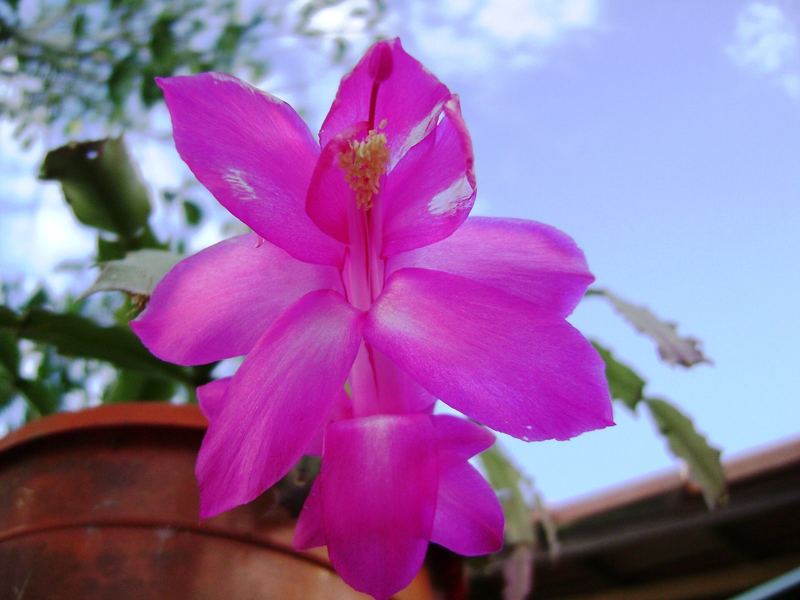 Christmas Cactus