
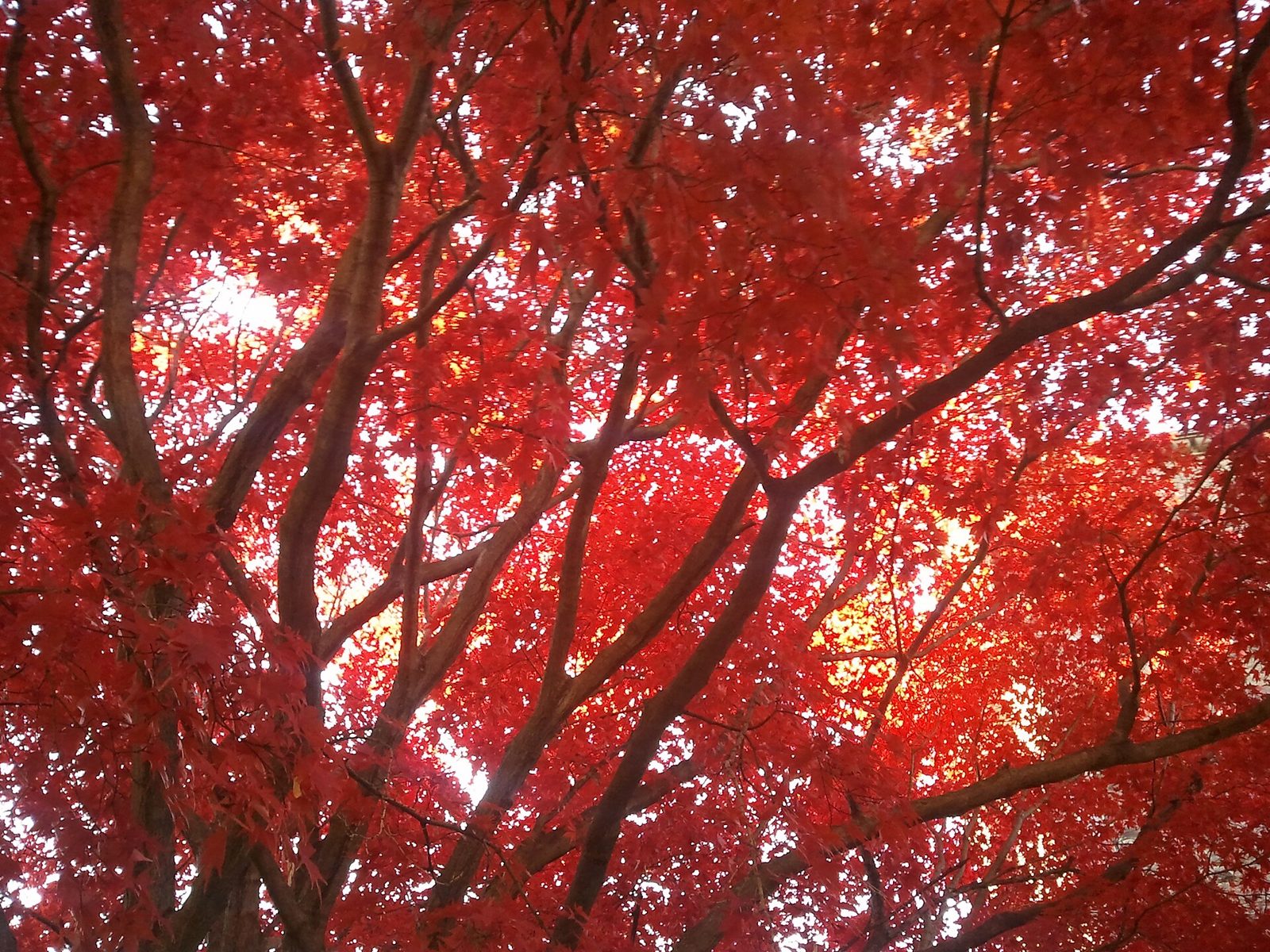
Japanese maple care starts with the site: a spot with dappled or partial shade, evenly moist well-drained soil and shelter from wind and late spring frost. Japanese maple (Acer palmatum) is rated for USDA hardiness zones 5B through 8B by UF/IFAS. It is a small tree that rewards a protected position and punishes a hot, dry one: in the warm end of its range the leaves scorch in summer unless the tree has some shade or irrigation. Once it is settled in, the work is mostly watering in dry spells, mulching, and leaving the pruning shears alone.
- USDA zones
- 5B–8B (UF/IFAS)
- Sun
- Dappled or partial shade; more sun in the north
- Water
- Evenly moist; sensitive to drought
- Origin
- Asia
- Container friendly
- Yes
- Soil
- Well drained, slightly acidic, high in organic matter
- Pruning
- Keep to a minimum
- Pets
- Not covered by our sources
Where can you grow a Japanese maple?
UF/IFAS gives USDA hardiness zones 5B through 8B. NC State adds that young leaves are sensitive to frost and are not drought tolerant, and Clemson says to plant in an area protected from high winds and late spring frosts, because the leaves tend to emerge early and may be injured. So the question is less “how cold can it take?” than “how well protected is the spot in spring?” Our sources give no minimum temperature in degrees.
Sun, shade and leaf scorch
This is where the sources differ most, and where regional advice matters.
| Source | Sun advice | Where it applies |
|---|---|---|
| Clemson HGIC | Dappled shade; direct sun may scorch leaves in summer heat, especially without irrigation | South Carolina |
| UF/IFAS | Leaves often scorch in zones 7b and 8 unless in some shade or irrigated; more direct sun tolerated in the northern part of the range | Southern trees factsheet |
| NC State (Bloodgood) | Can tolerate direct sun in northern areas | Bloodgood cultivar |
| NC State (Osakazuki) | Resists leaf scorch in the sun, but shows best leaf color in partial shade | Osakazuki cultivar |
| NC State (Seiryu) | Afternoon shade in hot summer areas to prevent leaf scorch | Seiryu cultivar |
The pattern is consistent: the farther south and hotter you are, the more shade your tree needs. The farther north you are, the more sun it tolerates. Our sources do not give a number of hours, so go by what the leaves do. If they scorch at the edges in midsummer, the tree wants more shade or more water. Note that the Bloodgood advice is specific: NC State says it tolerates direct sun in northern areas, not everywhere.
Soil and water
Clemson says the ideal soil is evenly moist, slightly acidic, high in organic matter and well drained. UF/IFAS says to maintain drainage and never allow water to stand around the roots. NC State says to plant higher, or in a raised bed, in heavy clay soil for better drainage, and that Bloodgood planted without good drainage is prone to verticillium wilt.
On water, both Clemson and NC State call the tree sensitive to drought and say to provide irrigation in dry weather. Clemson says to put 3 to 4 inches (8–10 cm) of mulch beneath the canopy, and NC State recommends mulch to keep the roots cool. Our sources give no watering schedule in inches or days, and no distance to keep mulch from the trunk.
Planting a Japanese maple
- Choose a sheltered spot. Clemson says to plant in an area protected from high winds and late spring frosts, in dappled shade.
- Check drainage. Well-drained soil is essential (Clemson, UF/IFAS). In heavy clay, plant higher or in a raised bed (NC State, Bloodgood).
- Give it room. Clemson says to plant low spreading, globose selections in areas large enough to allow the branches to droop to the ground.
- Mulch and irrigate. Provide 3 to 4 inches of mulch beneath the canopy (Clemson), and irrigate in dry weather.
Our sources do not give a planting season, a planting depth or a numeric spacing for Japanese maple, so we do not either. Ask your local nursery or extension office for planting time in your area.
Which Japanese maple to choose
NC State notes that most cultivars are grafted and can be grown as a single or multi-stemmed small tree, and says the Bloodgood is propagated by grafting and stem cutting. Because most cultivars are grafted, the cultivar name on the label tells you what you are buying.
| Variety | Best for | Size / habit | Foliage | Notes |
|---|---|---|---|---|
| 'Bloodgood' | Deep foliage color; tolerates direct sun in northern areas (NC State) | Not stated | Deep burgundy with bright crimson fall color (NC State); new foliage bright red, darkening to dark green (UF/IFAS) | Grafted or cutting-grown; prone to verticillium wilt without drainage (NC State) |
| 'Burgundy Lace' | Fine-textured foliage | Not stated | Finely cut purple-bronze, palm-shaped leaves | NC State species page |
| 'Crimson Queen' | Dwarf form | Dwarf, cascading | Lacy purple | Named by NC State and Clemson |
| 'Seiryu' | Upright lace-leaf | 10–15 ft high, 8–12 ft wide | Dissected | Only dissected form with an upright habit (NC State) |
| 'Osakazuki' | Sun tolerance | Not stated | Best leaf color in partial shade | Resists leaf scorch in the sun (NC State) |
A Japanese maple through the seasons
| Season | What to know | Source |
|---|---|---|
| Spring | New leaves emerge early and are sensitive to frost; shelter from late frosts and wind | NC State, Clemson |
| Summer | Leaves can scorch in heat, sun, wind or drought; irrigate in dry weather and keep mulch 3 to 4 in (8–10 cm) deep | NC State, Clemson, UF/IFAS |
| Fall | ‘Bloodgood’ shows bright crimson fall color | NC State |
| Late fall to mid-winter | The pruning window if you need one; Bloodgood can be shaped in February | NC State |
Our sources give no winter protection steps, so the table has no winter row for cold or wind damage.
Using Japanese maple in the landscape
Clemson says Japanese maple can serve as a small lawn specimen, an accent plant, a patio tree, a container plant, or part of a shrub border or grouping. Size and habit vary with the selection. NC State says ‘Seiryu’ is the only dissected form with an upright habit, growing 10 to 15 feet high and 8 to 12 feet wide. Clemson says low spreading, globose selections need room for their branches to droop to the ground, so plant them where nothing will crowd the skirt of the tree.
Pruning
Pruning is where the sources split on timing. NC State says pruning is best kept to a minimum and, if needed, done in late fall to mid-winter, and that spring or summer pruning often results in significant bleeding. NC State’s Bloodgood page says you can prune in February when the tree is dormant to alter its shape. Clemson says once established, keep pruning to a minimum and prune only branches rubbing against each other. Our guide to pruning Japanese maple compares them in detail.
Japanese maples in pots
Clemson lists container plant and patio tree among the uses for Japanese maple, and NC State says the Bloodgood can be grown in a container or as a specimen in the ground. Our guide to Japanese maples in containers covers what our sources say and where they stop.
Common problems
What our sources do not tell you
They do not give a planting time, planting depth, numeric spacing, winter protection steps or whether the tree is toxic to pets. The UF/IFAS factsheet is the only one with a zone range; the NC State pages do not state zones.
Grow these next
The two questions we hear most about Japanese maple are about timing and space. Read when and how to prune before you pick up the shears, and growing Japanese maple in a pot if you are short on garden. For a shrub in a similar spot, see our hydrangea care guide: morning sun and afternoon shade, zones 5 through 10 (Oregon State). More plants for this kind of garden are listed in our Japanese garden plants collection.
Frequently asked questions
How much sun does a Japanese maple need?
Clemson recommends dappled shade, because direct sunlight may scorch leaves in the heat of summer, especially without irrigation. NC State and UF/IFAS say more direct sun can be tolerated in the northern part of the range, and NC State says the Bloodgood tolerates direct sun in northern areas.
What zones do Japanese maples grow in?
UF/IFAS gives USDA hardiness zones 5B through 8B. The NC State pages we used do not give a zone range.
Why are my Japanese maple leaves brown at the edges?
That is usually leaf scorch. UF/IFAS says leaves often scorch in hot summer weather in zones 7b and 8 unless they are in some shade or irrigated during dry weather. NC State says scorch can come from excess sun, wind or drought.
How often should I water a Japanese maple?
Clemson says to provide irrigation during dry weather because the tree is sensitive to drought, and to keep the soil evenly moist and well drained. Our sources give no watering amount in inches.
Can you prune a Japanese maple in spring?
NC State says to keep pruning to a minimum and, if needed, to do it from late fall to mid-winter, because spring or summer pruning often results in significant bleeding. See our pruning guide for the full comparison.
Sources
- Acer palmatum (Japanese maple), NC State Extension Plant Toolbox
- Acer palmatum 'Bloodgood', NC State Extension Plant Toolbox
- Acer palmatum 'Seiryu', NC State Extension Plant Toolbox
- Acer palmatum (Southern Trees, ST023), UF/IFAS Extension (EDIS)
- Maple, Clemson Home & Garden Information Center
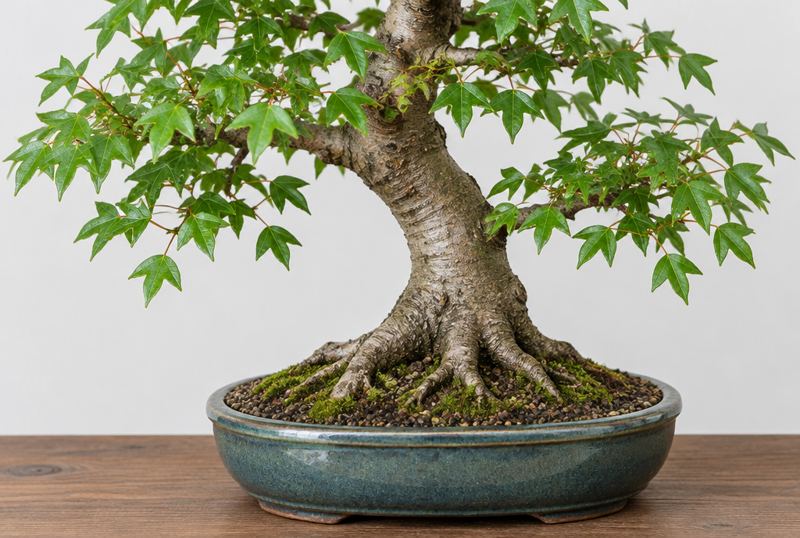 Trident Maple
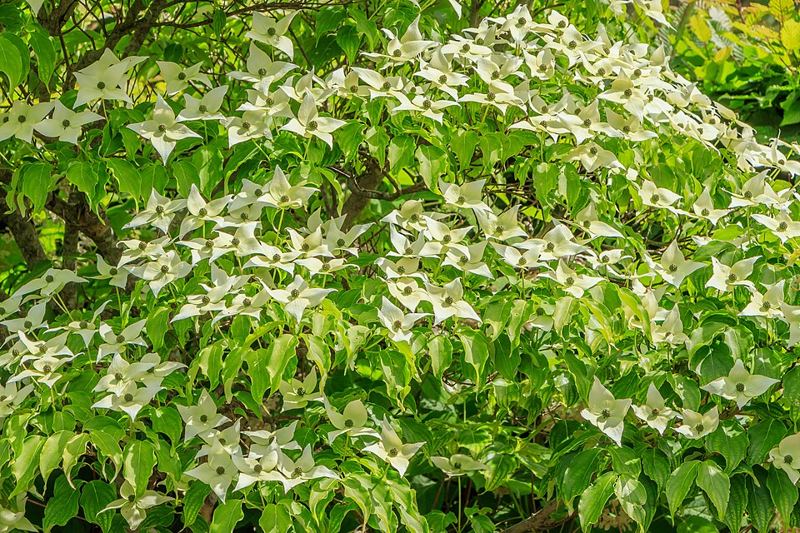 Kousa Dogwood
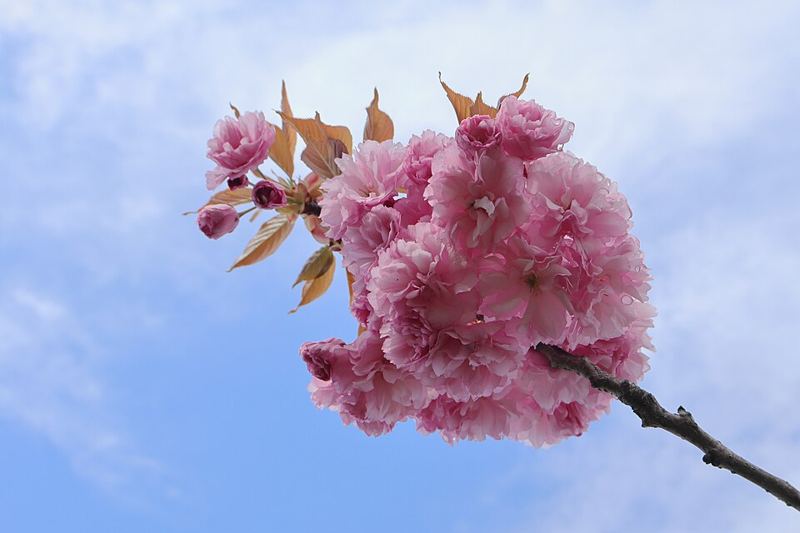 Cherry Blossom