
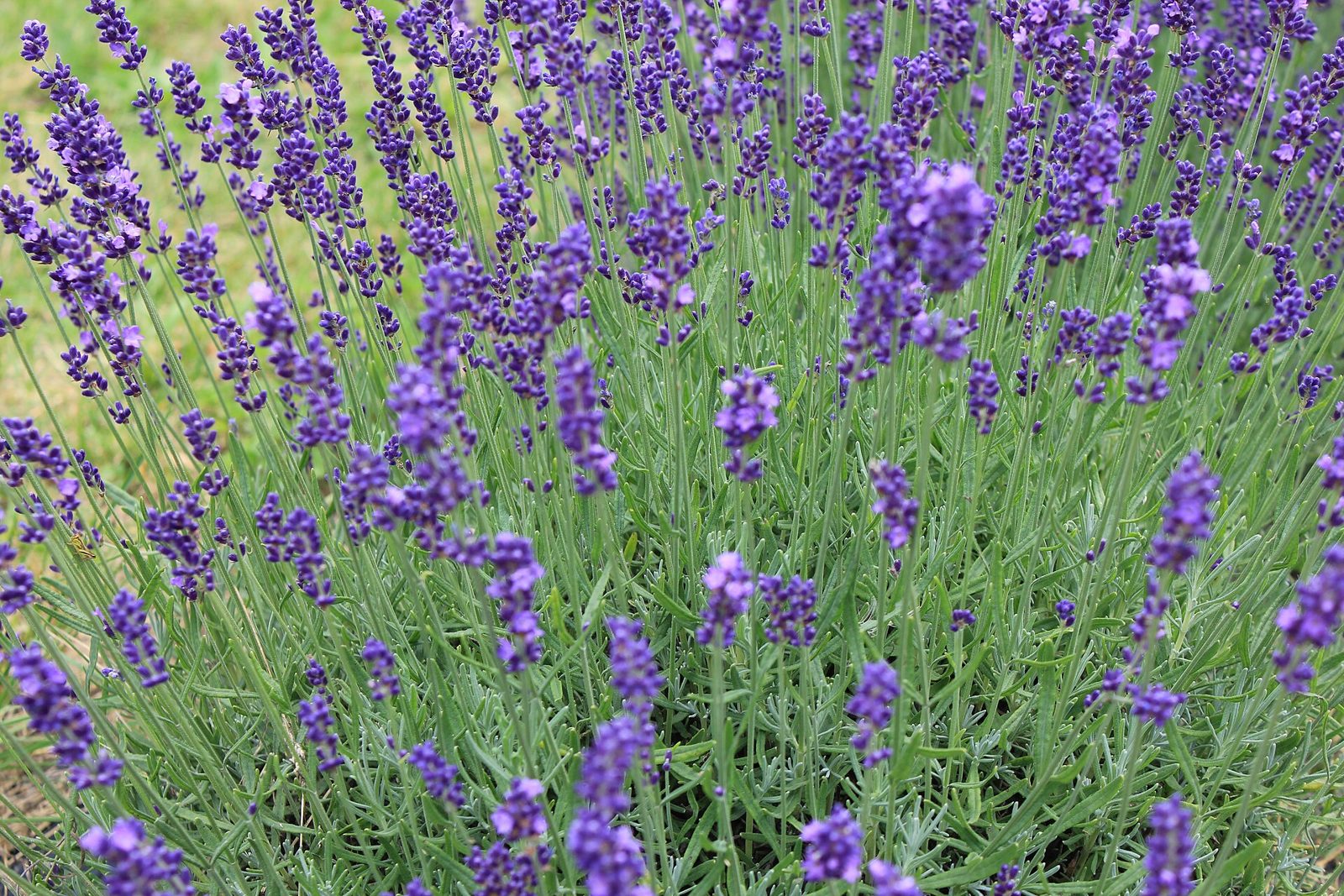
Lavender care comes down to three things: full sun, soil that drains perfectly and very little water once the plant is established. Get those right and lavender is a fragrant perennial; get them wrong and it rots. English lavender (Lavandula angustifolia) is rated for USDA zones 5 to 8, and lavandin (Lavandula x intermedia) is a somewhat less hardy cousin that blooms later. If your soil is heavy clay or your winters are harsh, a pot is a perfectly good way to grow lavender. The problems our sources name most often are root rot and wet soil.
- USDA zones
- 5–8 (English lavender)
- Sun
- Full sun, 6–8+ hours
- Water
- Regular in year one, then only when soil dries
- Origin
- Mediterranean
- Container friendly
- Yes
- Soil
- Perfectly drained, neutral to alkaline
- Bloom time
- Summer; lavandin July–Sept
- Pets
- Not covered by our sources
Which lavender are you growing?
Two kinds dominate our sources. English lavender (Lavandula angustifolia) is the classic: aromatic leaves, flowers and dry seed heads, blooming in summer (NC State). Lavandin (Lavandula x intermedia) is a hybrid that NC State says is somewhat less hardy than its parents and tends to bloom later than other Lavandula species, from July to September. Penn State adds that English lavender is started from plugs, while French cultivars are started from cuttings sold in small pots.
| Variety | Best for | Size | Flower | Notes |
|---|---|---|---|---|
| English lavender (L. angustifolia) | Zones 5–8 (Illinois Extension) | Not stated | Summer bloom, aromatic leaves and flowers (NC State) | Needs perfectly drained soil; dies out in heavy clay (NC State) |
| 'Grosso' (lavandin) | Fragrance | Not stated | Strongest fragrance (NC State) | Lavandin: needs mulch where winters reach zero |
| 'Hidcote Giant' (lavandin) | Color | Not stated | Bright violet flower spikes (NC State) | Lavandin: needs mulch where winters reach zero |
| 'Impress Purple' (lavandin) | Deep color | Not stated | Dark purple flower spikes (NC State) | Lavandin: needs mulch where winters reach zero |
| 'Seal' (lavandin) | Color | Not stated | Violet-blue flower spikes (NC State) | Lavandin: needs mulch where winters reach zero |
NC State does not list English lavender cultivars on the page we used, so the named cultivars above are all lavandins. We do not give a zone range for lavandin because our sources do not.
Where can you grow lavender?
Illinois Extension gives USDA zones 5 to 8 for English lavender. Cold alone is rarely the limit. Penn State says lavender will survive temperatures down to -20°F (-28°C) as long as it is not exposed to perpetual cold and wet. That figure comes from commercial field production in Pennsylvania, so read it as a sign of how tough the plant is rather than a home-garden guarantee.
Lavandin needs more care. NC State says that if your winter temperatures dip to zero, you will need to provide mulch or some other protective cover. Illinois Extension offers a different route for cold or wet climates: grow lavender as an annual you discard at the end of the season, or as a perennial you bring indoors for winter. See lavender in pots for how.
Planting lavender
- Pick the sunniest, driest spot you have. Illinois Extension says full sun, at least 8 hours a day. Penn State says 6 to 8 hours of direct sun.
- Fix drainage before you plant. NC State wants perfectly drained soil, preferably on the dry side, and says English lavender will die out in heavy clays. Penn State’s commercial growers plant in raised beds, which is one way to lift roots out of wet soil. If you have clay, NC State suggests a container with added grit or perlite.
- Check the soil chemistry. NC State says lavender prefers neutral to alkaline soil and dislikes acid, clay soil. Penn State says lavender grows well in sandy loam with a pH of 6 to 8.
- Plant in spring, after the last frost. Penn State plants lavender in spring after all danger of frost is over. Our sources give no planting depth for home gardens.
- Water deeply but not often. Illinois Extension says to water regularly in the first year. Penn State says lavender does not tolerate wet soils and should be irrigated deeply but infrequently to establish good roots.
On spacing, the only figure we found is Penn State’s commercial one: 3 to 4 ft (about 1 m) between plants and 6 to 10 ft (2–3 m) between rows. That is field spacing for production, not a home-garden rule, and our sources give no home spacing.
Lavender care through the year
Water
Sun
Soil
Winter
Feeding is the gap in our sources: none gives a fertilizer rate for garden lavender. The only fertilizer advice is for pots, where Illinois Extension says to use a potting mix with no added fertilizer.
Pruning lavender
Our sources disagree on timing, and it is worth knowing before you pick up the shears. Illinois Extension says to prune once in spring when new growth appears, cutting dead stems back to the first green leaves, with an optional cut of one-third to one-half of the plant after flowering. NC State says to cut English lavender back yearly and remove the spent flower spikes after the flowers fade. Everyone agrees on two things: do not cut into leafless wood, because it will not regrow, and skip fall trimming. The full comparison is in our lavender pruning guide.
Common lavender problems
Penn State’s commercial guide also notes that no commercial pesticides are labeled for lavender, which is one more reason to prevent trouble with drainage and airflow rather than treat it afterward.
Harvesting lavender
Illinois Extension says that for the best quality and scent, cut flower stalks when the blooms are about to open, then lay them flat or hang them in a cool, dry place to dry. English lavender blooms in summer and lavandin from July to September, so plan around your own bloom. Our lavender harvesting guide covers timing and drying.
What our sources do not tell you
We found no home-garden planting depth or spacing, no fertilizer rate, no zone range for lavandin, no difficulty rating and nothing on whether lavender is toxic to pets, so we say nothing on those. The -20°F figure and the plant spacing come from commercial field production at Penn State. If you grow a French or Spanish type, note that our sources give specific care for English lavender and lavandin only.
Grow these next
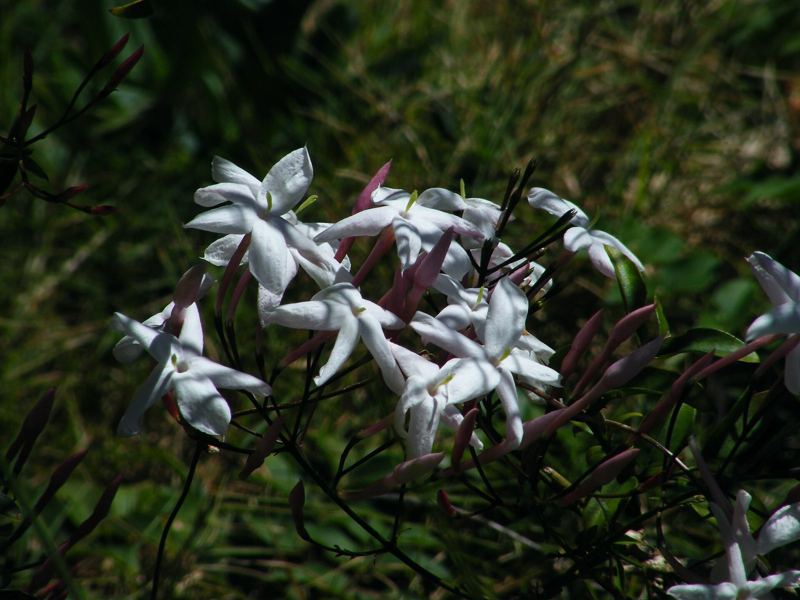
Lavender pairs well with other fragrance plants. Jasmine is the scent of summer evenings on a trellis, and it too needs a warm, well-drained site. If you would like more fragrance in a pot on the patio, our guide to lavender in containers is the place to start.
Frequently asked questions
Is lavender easy to grow?
It is easy if the site is right and unforgiving if it is not. NC State says English lavender wants perfectly drained soil, preferably on the dry side, and full sun, and that it will die out in heavy clay. The main problems our sources describe are root rot from overwatering and wet soil, not neglect.
How much sun does lavender need?
Illinois Extension says full sun, at least 8 hours each day. Penn State says 6 to 8 hours of direct sun. Aim for the higher number if you can, and treat 6 hours as the floor.
How often should I water lavender?
Illinois Extension says to water newly planted lavender regularly for the first year. Once it is established it is drought-tolerant and should only be watered when the soil dries out. Our sources give no watering amount in inches.
Can lavender grow in pots?
Yes. Illinois Extension says lavender grows easily in containers and raised beds in a potting mix with no added fertilizer, and NC State suggests a container with added grit or perlite if your garden soil is clay. We cover it in our guide to growing lavender in pots.
Does lavender come back every year?
English lavender is rated for USDA zones 5 to 8 by Illinois Extension, so it returns in those zones when drainage is good. Lavandin is somewhat less hardy, and NC State says to mulch it where winter temperatures dip to zero. Illinois also notes you can treat lavender as an annual, or bring a potted plant indoors for winter.
Sources
- Lavandula angustifolia (English lavender), NC State Extension Plant Toolbox
- Lavandula x intermedia (lavandin), NC State Extension Plant Toolbox
- Essential Tips for Growing Lavender in Your Backyard, University of Illinois Extension
- Lavender, University of Illinois Extension
- Agritourism Diversification: Lavender Production, Penn State Extension
 Jasmine
 Rosemary
 Lily