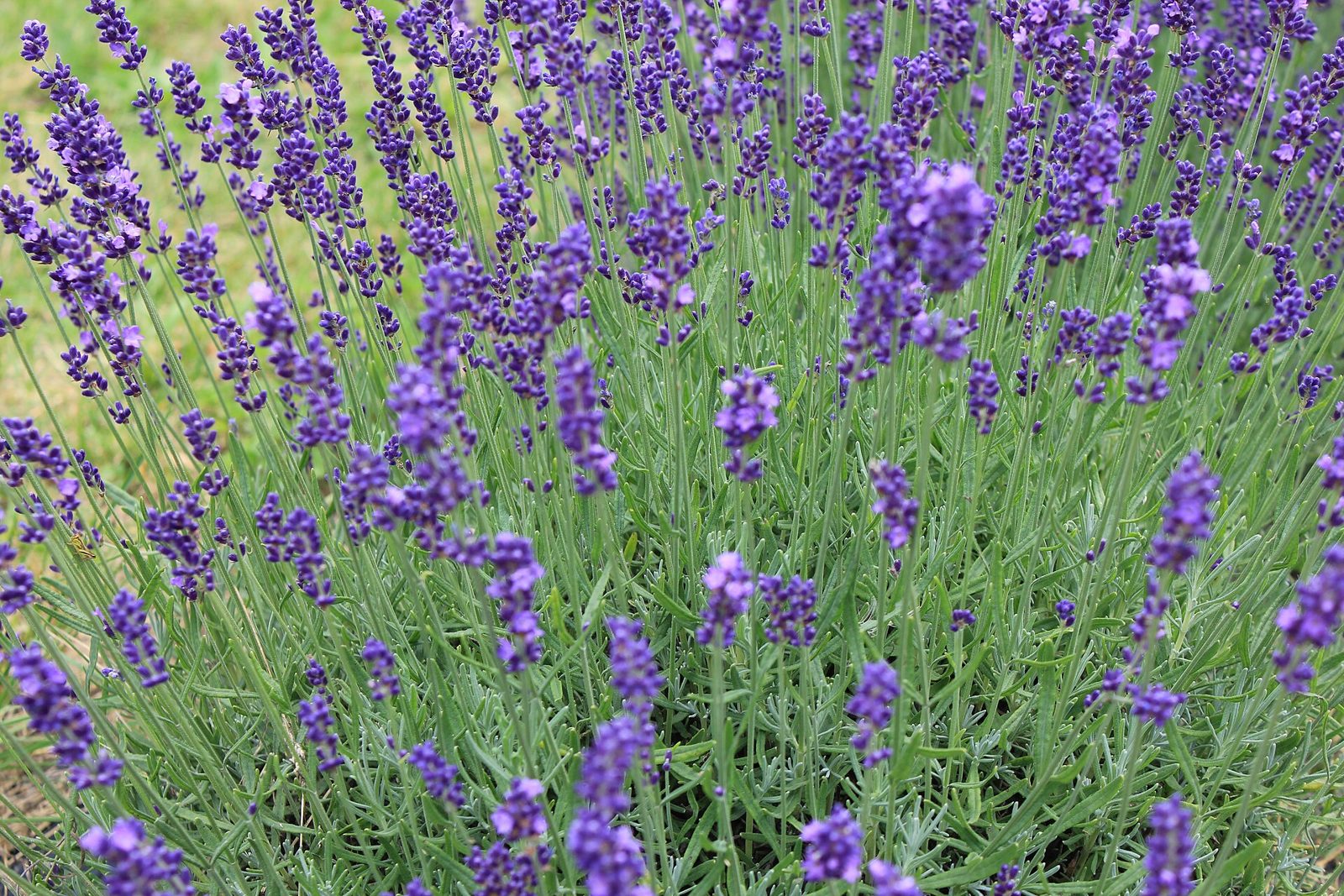
Harvest lavender when the blooms are about to open, then dry the stalks lying flat or hanging in a cool, dry place. That is the whole method in Illinois Extension’s guide, and it is the only harvest advice in our sources, so this page keeps to it and tells you where the sources stop. Cutting at that stage, rather than when the flowers are fully open, is what Illinois says gives the best quality and scent. This is a supporting guide to our lavender care guide.
When to harvest
Illinois Extension says that for optimum quality and scent, you cut the flower stalks when the blooms are about to open. In practice that means watching the plant as bloom approaches rather than going by the calendar, which only tells you roughly when to start looking.
| Type | When it blooms | Source |
|---|---|---|
| English lavender (L. angustifolia) | Summer | NC State |
| Lavandin (L. x intermedia) | July to September, later than other Lavandula species | NC State |
If you grow both, expect the lavandin to be the later of the two to reach the right stage. NC State does not give a month for English lavender, so the summer window is as exact as our sources allow.
How to cut and dry lavender
- Check the buds. Look for flower stalks where the blooms are about to open. That is the stage Illinois Extension names as best for quality and scent.
- Cut the flower stalks. Cut the stalks themselves rather than shearing the whole plant. Our sources do not give a stem length or a number of stalks per bunch.
- Lay them flat or hang them. Illinois says to lay cut flower stalks flat or hang them. Either method works, according to that guide.
- Choose a cool, dry place. Illinois specifies a cool, dry place. Our sources do not say how long drying takes.
Choosing a lavender for cutting
If your main goal is stalks for the house, the type matters. NC State’s lavandin page names four cultivars: ‘Grosso’ has the strongest fragrance, ‘Hidcote Giant’ has bright violet flower spikes, ‘Impress Purple’ has dark purple flower spikes and ‘Seal’ has violet-blue spikes. English lavender is the type with aromatic leaves, flowers and dry seed heads, and it blooms in summer (NC State). Remember that lavandin is the somewhat less hardy of the two, and NC State says to mulch it where winter temperatures dip to zero.
Our sources do not rank types for drying, so the choice rests on fragrance and color rather than yield.
Harvesting and pruning are different jobs
Cutting flower stalks for drying is not the same as pruning the plant. Pruning removes spent spikes after flowering and, in Illinois’s guidance, can include a cut of one-third to one-half of the plant, always stopping short of leafless wood. The rules for pruning are in our lavender pruning guide.
Two points carry over from pruning. Do not cut into leafless wood, because Illinois says it will not regrow, and avoid heavy cutting in fall, because NC State says that encourages growth that may not be cold hardy.
Does container lavender harvest the same way?
Illinois Extension says lavender grows easily in containers, and nothing in our sources suggests a different harvest. The plant is smaller, so you will get fewer stalks. Our guide to lavender in pots explains how to grow it well enough to bloom.
What our sources do not tell you
We found no drying time, no storage advice for dried lavender, no yield per plant and no advice for harvesting a first-year plant. Illinois Extension says to water newly planted lavender regularly for its first year, but does not say whether to harvest in that year. If you are not sure, ask your state extension office.
Frequently asked questions
What is the best time to cut lavender?
Illinois Extension says that for optimum quality and scent, you should cut the flower stalks when the blooms are about to open.
How do you dry lavender?
Illinois Extension says to lay the cut flower stalks flat or hang them in a cool, dry place. Our sources do not give a drying time or temperature.
When does lavender bloom?
NC State says English lavender blooms in the summer, and lavandin blooms from July to September, later than other Lavandula species.
Sources
- Essential Tips for Growing Lavender in Your Backyard, University of Illinois Extension
- Lavandula angustifolia (English lavender), NC State Extension Plant Toolbox
- Lavandula x intermedia (lavandin), NC State Extension Plant Toolbox