
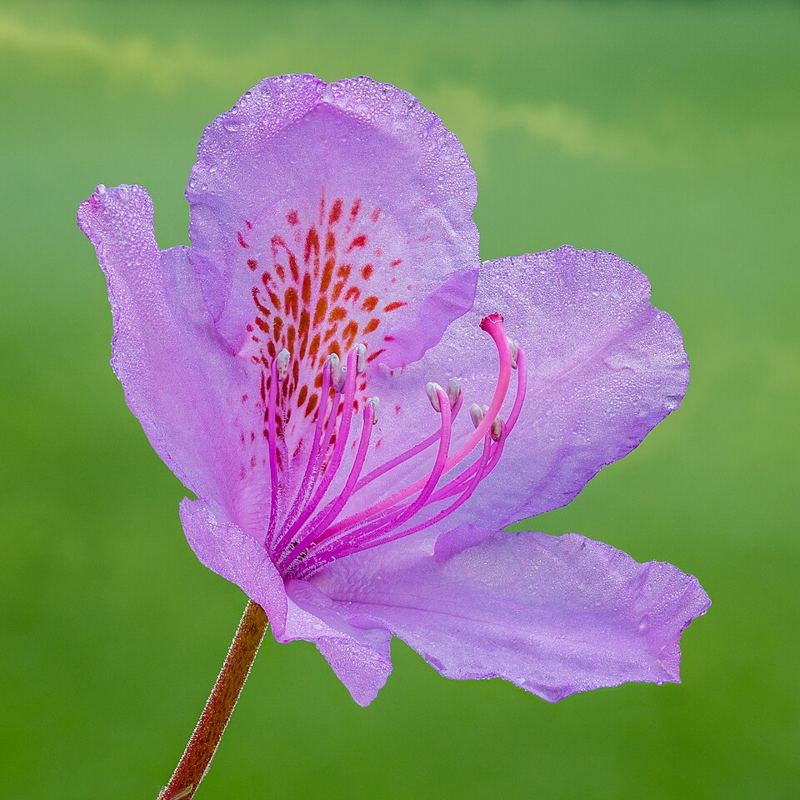
Rhododendrons want partial sun, morning sun with afternoon shade, in cool, moist, acidic, well-drained soil, planted with the root ball set a little high and pruned right after they flower. UMD Extension gives the target soil as pH 4.5 to 5.5. This guide is about rhododendrons; azaleas belong to the same genus, and our azalea guide covers them separately.
- Sun
- Partial sun: morning sun, afternoon shade
- Origin
- Asia
- Soil
- Acidic, cool, moist, well drained
- Soil pH
- 4.5–5.5 (UMD Extension)
- Water
- Avoid overwatering
- Bloom time
- Later in spring than azaleas
- Prune
- Right after flowering
- Pets
- Toxic to dogs, cats and horses (ASPCA)
What a rhododendron is
NC State says rhododendron is a genus that includes azaleas, with species native to North America, Europe and Asia and many cultivars. NC State says azaleas bloom in April and rhododendrons bloom later in spring. UMD Extension says azaleas generally tolerate drier conditions than rhododendrons, so rhododendrons are the thirstier of the two. Sources do not give a single USDA zone range for the whole genus, because hardiness varies by variety, so check the tag on the plant you buy.
Sun and shade
UMD Extension says to plant in partial sun, with morning sun and afternoon shade, and to avoid both heavy shade and hot full sun. Clemson says that although some varieties tolerate sun better than others, all prefer an area not exposed to long periods of hot full sun and drying winds. It also warns that heavy shade leads to poor flowering and weak growth.
Soil and planting
UMD Extension says rhododendrons need acidic soil (pH 4.5 to 5.5) that is cool, moist and well drained. NC State says they do not tolerate dense clay, so amend clay soil with organic material, and to plant the root ball high in the soil to help with drainage.
- Pick a spot with morning sun and afternoon shade. Shelter from drying wind where you can (UMD Extension, Clemson).
- Test and amend the soil. Aim for acidic soil, pH 4.5 to 5.5. Work organic material into clay (UMD Extension, NC State).
- Set the root ball high. NC State says this helps with drainage problems.
- Water, but do not drown it. NC State says to avoid overwatering, which can lead to root rot.
Feeding
UMD Extension says to fertilize only if a soil test shows a deficiency. NC State says to avoid both overwatering and over-fertilizing.
Pruning
UMD Extension says to prune right after flowering so you keep next year’s flower buds. For an overgrown plant, renewal pruning is done in early spring before new growth appears, but there will be no blooms that year (UMD Extension). Our pruning guide covers timing and cuts. NC State says rhododendron is propagated by grafting, layering, seed or stem cuttings.
Winter injury
UMD Extension says winter injury shows up as split bark and damaged flower buds, and comes from sudden temperature drops or from cold weather returning after the plant has broken dormancy in spring.
Common rhododendron problems
NC State also notes that this plant is frequently damaged by deer.
Grow these next
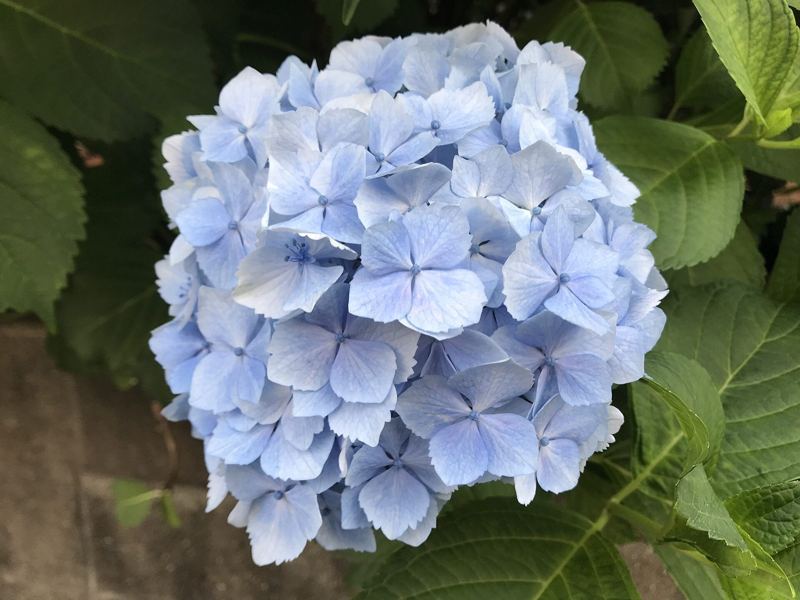
Rhododendron and azalea are one genus, so many of the same soil and shade rules carry over. For another shrub that likes cool, acid-leaning soil and part shade, see the camellia guide, and for color that changes with soil pH, read our hydrangea guide.
Frequently asked questions
Are rhododendrons toxic to pets?
Yes. The ASPCA lists Rhododendron species, azaleas included, as toxic to dogs, cats and horses. The toxic principle is grayanotoxin, and clinical signs include vomiting (not in horses), diarrhea, weakness and cardiac failure.
How much sun do rhododendrons need?
UMD Extension recommends partial sun, with morning sun and afternoon shade, and says to avoid both heavy shade and hot full sun. Clemson says azaleas and rhododendrons prefer an area not exposed to long periods of hot full sun and drying winds.
What soil do rhododendrons need?
UMD Extension says acidic (pH 4.5 to 5.5), cool, moist, well-drained soil. NC State says they do not tolerate dense clay, so amend clay soil with organic material, and plant the root ball high to help with drainage.
When should you prune rhododendrons?
UMD Extension says to prune right after flowering so you keep next year's buds. Renewal pruning is done in early spring before new growth appears, but there will be no blooms that year.
Why are my rhododendron leaves yellow?
UMD Extension says yellowing (chlorosis) can come from poor drainage, root rot or nematodes, not only from alkaline soil.
Sources
- Azaleas and Rhododendrons: Identify and Manage Problems, University of Maryland Extension
- Rhododendron, NC State Extension Plant Toolbox
- Azalea Care, Clemson Cooperative Extension, Home and Garden Information Center
- Azalea, ASPCA Animal Poison Control
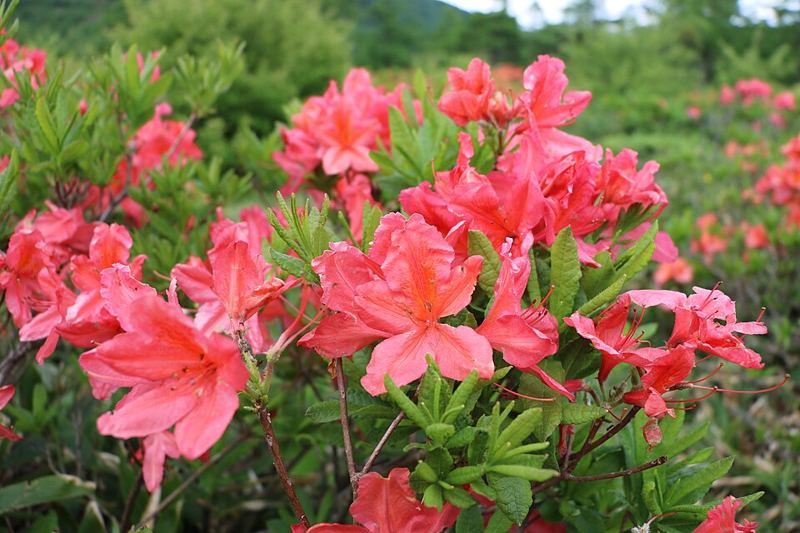 Azalea
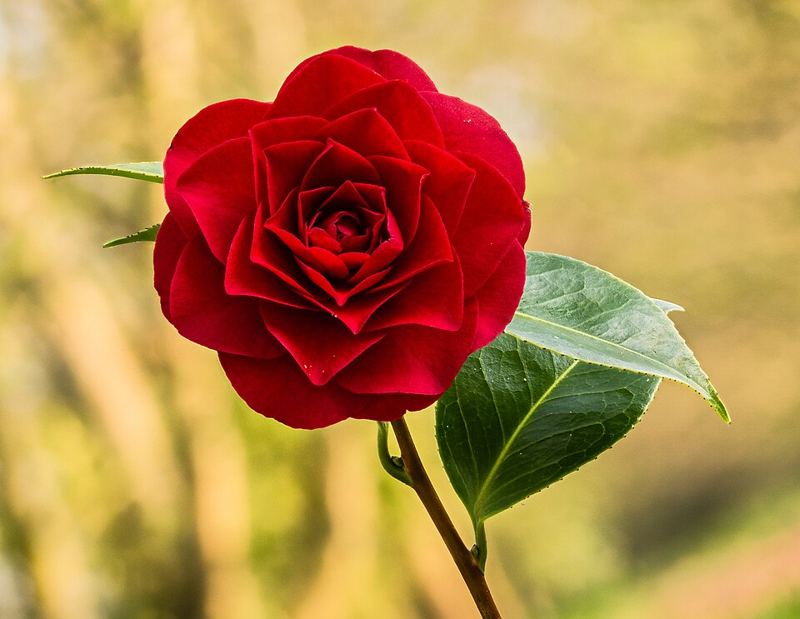 Camellia
 Hydrangea