
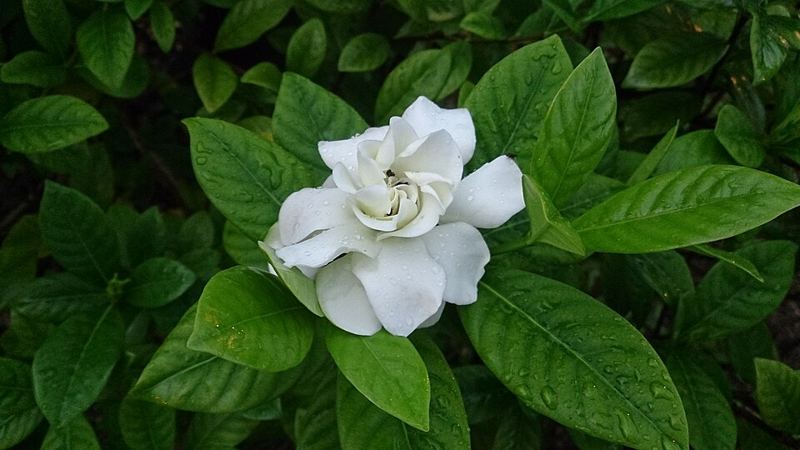
Gardenias are woody, broadleaf evergreen shrubs that want acidic soil, morning sun with some shade, steady water and shelter from cold. NC State describes them as members of the Rubiaceae (coffee) family with fragrant creamy white flowers. UF/IFAS says soil pH is important and should be between 5.0 and 6.5. They bloom from May through June and sporadically through summer (Clemson), and the flowers appear on new growth, which shapes when you prune. Fall is the best time to plant (Clemson).
- Origin
- Asia
- Sun
- Partial shade; morning sun preferred (Clemson)
- Soil pH
- 5.0–6.5 (UF/IFAS)
- Size
- 3–8 ft (Clemson); 2–15 ft by cultivar (UF/IFAS)
- Bloom time
- May–June, then sporadically
- Prune
- Spring; blooms on new growth
- Pet safe
- No: ASPCA lists toxic to dogs, cats, horses
Light
The sources differ. NC State says gardenias prefer bright indirect sunlight or partial shade. Clemson says they are best planted in light to partial shade, preferably with morning sun and afternoon shade. UF/IFAS says full sun or partial shade. The overlap is partial shade, and morning sun is the safest reading.
Soil and water
NC State says to plant in rich, acidic, well-drained soil, and UF/IFAS gives the pH target of 5.0 to 6.5. UF/IFAS says to water your gardenia regularly, and NC State says it is moderately drought tolerant.
Planting and size
Clemson says fall is the best time for planting. It also says gardenias typically grow 3 to 8 feet tall, while UF/IFAS gives a wider range of 2 to 15 feet depending on the cultivar. Smaller cultivars will also grow well in containers, according to Clemson.
Feeding
UF/IFAS says to fertilize two or three times a year. NC State says not to fertilize in the fall, as this will cause a rush of frost-tender growth.
Pruning
NC State says to prune gardenias in the spring to maintain the shape of the plant, keeping in mind that blossoms will appear on new growth. It adds that you should remove the spent flowers to encourage blooming. Other sources prefer a cut right after the summer bloom, covered in our gardenia pruning guide.
Cold and wind
NC State says to consider sheltering from the cold and from strong winds to prevent winter burn. Together with the no-fall-feeding advice above, that is the main winter routine in the sources.
Varieties and problems
UF/IFAS says many cultivars are available, with considerable variation in form, flower type (single or double) and plant size. It also says hardier varieties are now available that better withstand typical gardenia problems like sooty mold.
Pets
The ASPCA lists gardenia as toxic to dogs, cats and horses. Clinical signs it names are mild vomiting or diarrhea and hives. Keep the plant, including a potted one, where animals cannot chew it.
Grow these next
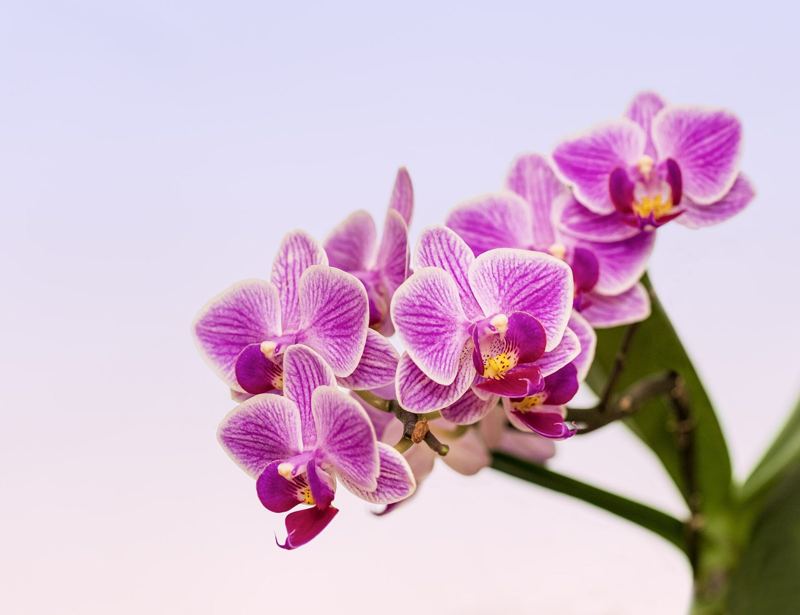
Hibiscus is another flowering shrub that grows in a pot, and mandevilla is a climbing option for a container with a trellis. For a flower that lives in a bright indoor window, see moth orchids, or browse the tropical flowers collection.
Frequently asked questions
How much sun does a gardenia need?
The sources differ. NC State says gardenias prefer bright indirect sunlight or partial shade. Clemson says light to partial shade, preferably with morning sun and afternoon shade. UF/IFAS says full sun or partial shade.
What soil does a gardenia need?
NC State says rich, acidic, well-drained soil. UF/IFAS says soil pH is important and should be between 5.0 and 6.5.
When should I prune a gardenia?
NC State says to prune in spring to maintain shape, keeping in mind that blossoms will appear on new growth. It also says to remove spent flowers to encourage blooming.
When do gardenias bloom?
Clemson says the flowers open over a long period, from May through June, and sporadically throughout the summer.
Are gardenias toxic to pets?
The ASPCA lists gardenia as toxic to dogs, cats and horses, with mild vomiting or diarrhea and hives as clinical signs.
Sources
- Gardenia jasminoides, NC State Extension Plant Toolbox
- Gardenia, Clemson Cooperative Extension, Home and Garden Information Center
- Gardenia, UF/IFAS Gardening Solutions
- Gardenia, ASPCA Animal Poison Control
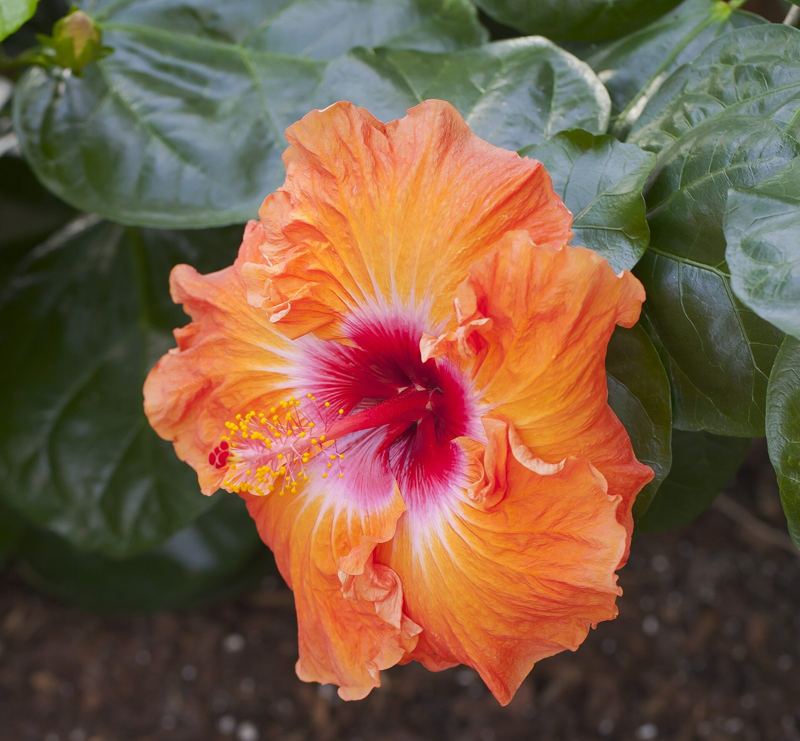 Hibiscus
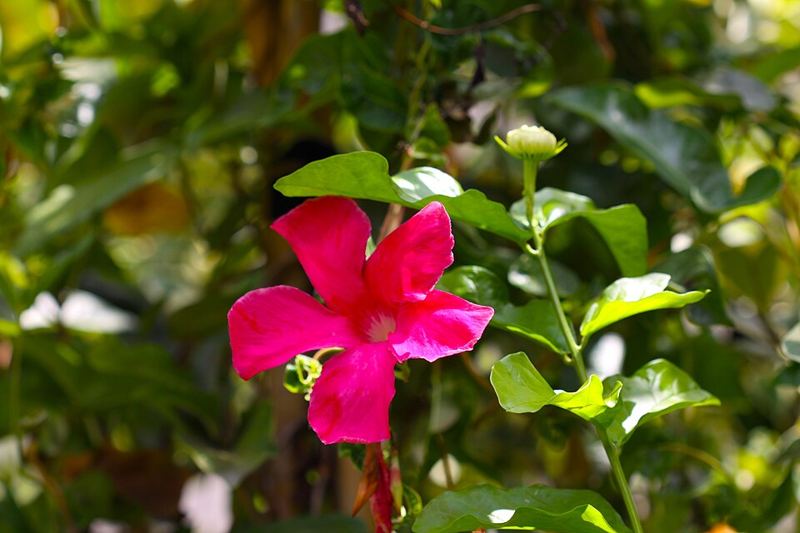 Mandevilla
 Orchids