

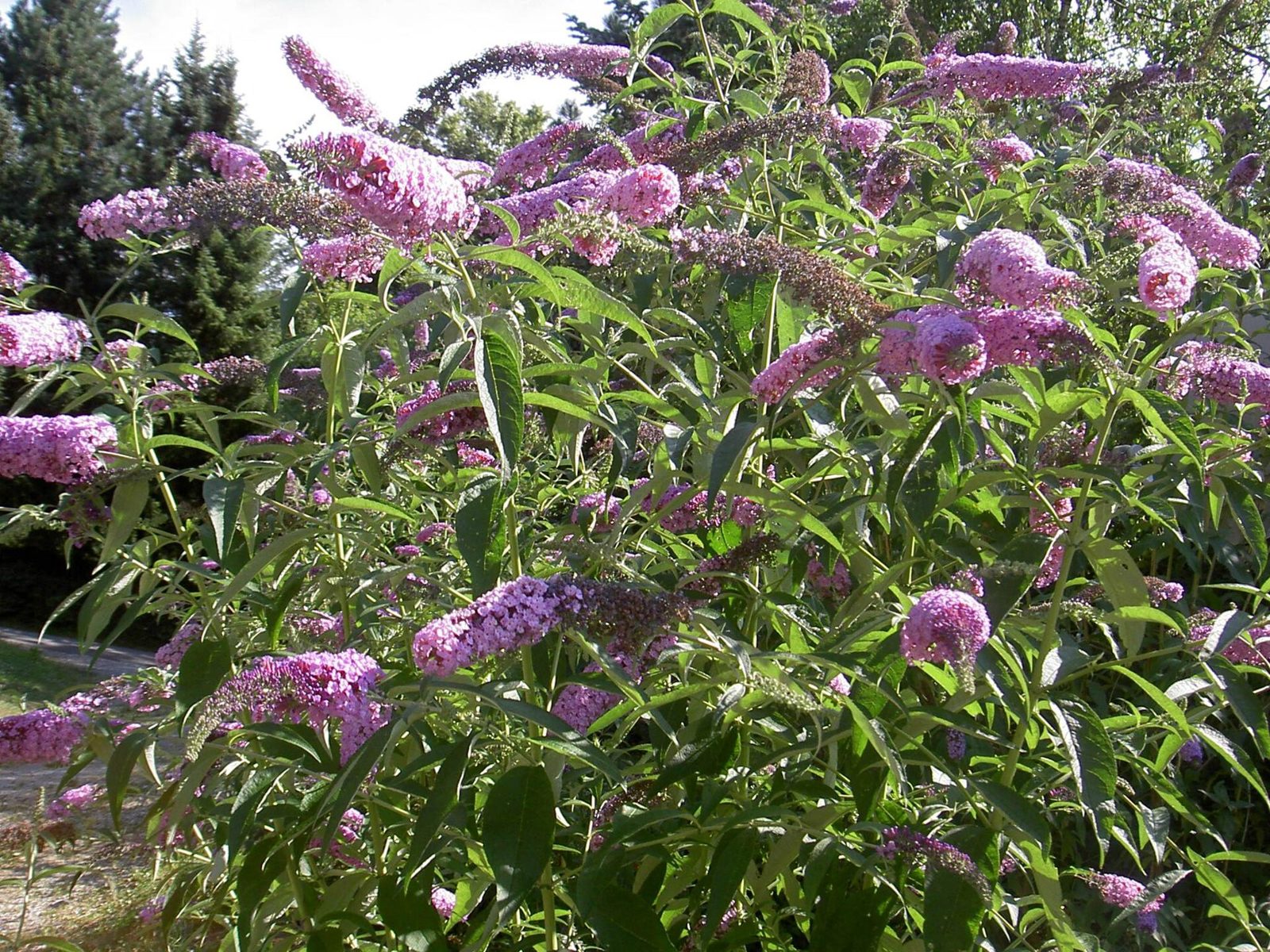
Butterfly bush (Buddleja davidii) is a deciduous flowering shrub from Asia, winter hardy in USDA zones 5 through 9, that blooms on new growth from midsummer to mid-autumn. UMD says it was introduced around 1900 and that its very long bloom season, fragrance, ease of cultivation and butterfly draw are the main appeal for gardeners. It also says the plant is invasive. That is why this guide covers seed control alongside care.
- USDA zones
- 5–9 (NC State)
- Sun
- Full sun
- Origin
- Asia
- Soil
- Dry to moist, well-drained; adapts to most types
- Bloom
- Midsummer to mid-autumn (UMD)
- Blooms on
- New growth (NC State)
- Prune
- Early spring
Invasive status
UMD says butterfly bush is an invasive species and spreads into natural areas by seed. Its 2025 woodland-invasives page adds that it spreads from cultivated plantings by way of seed dispersal. NC State puts a number on it: as many as 40,000 seeds on a single panicle.
The seeds last. NC State says seeds that fail to germinate immediately remain viable in the soil for three to five years, and that the seeds have a high germination rate. It also says even cut stems can re-sprout.
Maryland's rule
Sterile cultivars
What UMD recommends
The listing we can cite is Maryland’s. If you live elsewhere, check your own state’s rules.
Removal and seed control
UMD says that if you keep butterfly bush, at a minimum you should regularly prune off spent flowers before they ripen and disperse seeds. To remove a plant, UMD says to dig it out and dispose of it. See our butterfly bush pruning guide for the timing.
Sun, soil and hardiness
UMD says butterfly bush grows best in sunny, disturbed sites with dry, well-drained soils. NC State says the shrub prefers full sun, is easily grown in moist, well-drained soil and adapts well to most soil types. NC State says it is winter hardy in USDA zones 5 through 9, and that in zones 5 and 6 it dies back to the ground but regrows vigorously in spring.
Bloom and cultivars
UMD gives the bloom season as midsummer until mid-autumn, and says dozens of cultivars have been developed in recent decades that vary in flower color, to a lesser degree in leaf color, and in mature size. NC State places butterfly bush in the figwort family and says it is native to Tibet and Central and South China.
Care in order
- Check your state's rules. UMD notes Maryland regulates sale of listed invasive plants.
- Pick a sunny, well-drained spot. Full sun and well-drained soil (NC State, UMD).
- Early spring: prune. Flowers appear on new growth (NC State).
- Midsummer to mid-autumn: deadhead. Prune off spent flowers before they ripen and disperse seeds (UMD).
- If removing: dig out and dispose. UMD’s advice for existing plants.
For shrubs with a similar bloom-on-new-growth question, see our hydrangea pruning guide, which sorts old-wood from new-wood bloomers.
Frequently asked questions
Is butterfly bush invasive?
UMD says butterfly bush is an invasive species and spreads into natural areas by seed. The Maryland Department of Agriculture regulates the sale of invasive plants, and UMD says its regulations apply to all cultivars of a listed species unless individual cultivars are later granted an exemption. Check the rules in your own state.
What are the sterile butterfly bush cultivars?
UMD says some cultivars of butterfly bush are marketed as sterile, but that Maryland's rule applies to all cultivars of a listed species unless one is individually exempted.
What zones does butterfly bush grow in?
NC State says it is winter hardy in USDA zones 5 through 9. In zones 5 and 6 the shrub dies back to the ground but regrows vigorously in spring.
When does butterfly bush bloom?
UMD gives a very long bloom season, from midsummer until mid-autumn. NC State says flowering occurs during the summer.
When should I prune butterfly bush?
NC State says flowers appear on new growth, so it is best to prune in early spring to control growth and encourage large flower production. UMD says that at a minimum you should regularly prune off spent flowers before they ripen and disperse seeds.
Sources
- Butterfly Bush, University of Maryland Extension
- Invasives in Your Woodland: Butterflybush (updated 2025), University of Maryland Extension
- Buddleja davidii, NC State Extension Plant Toolbox
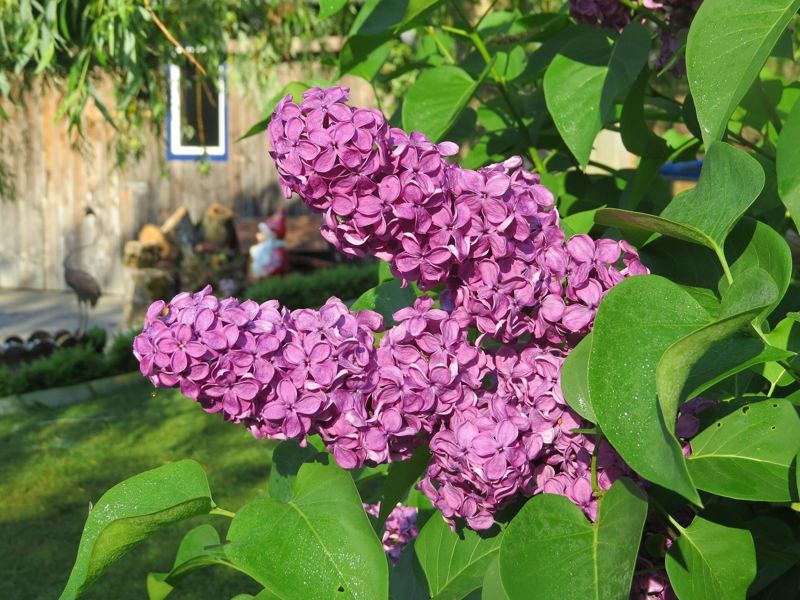 Lilac
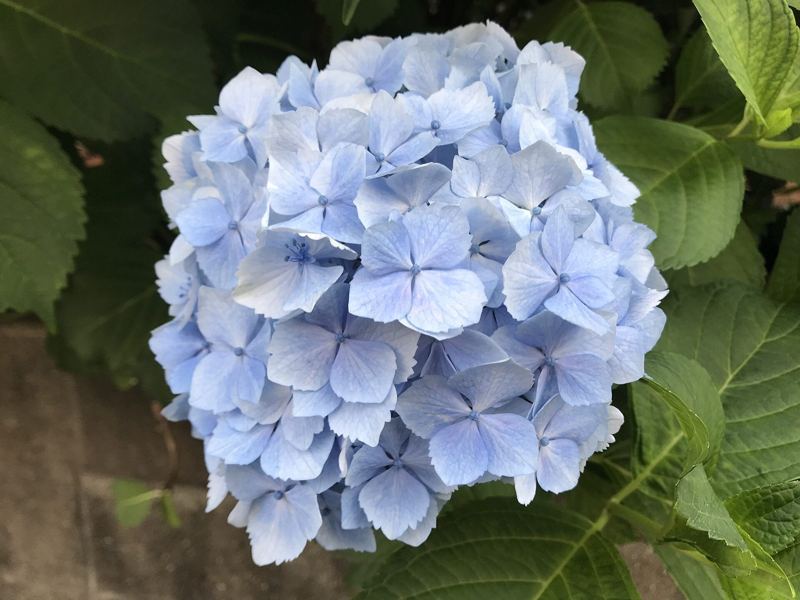 Hydrangea
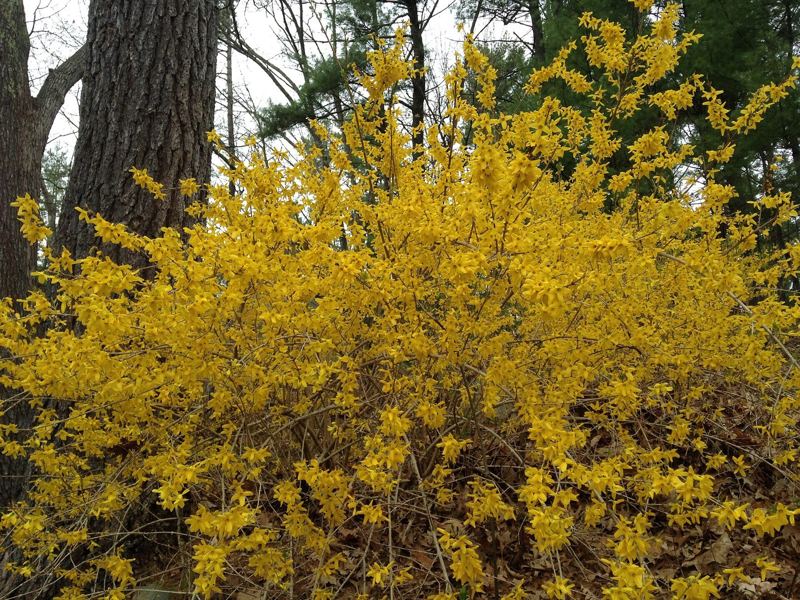 Forsythia