

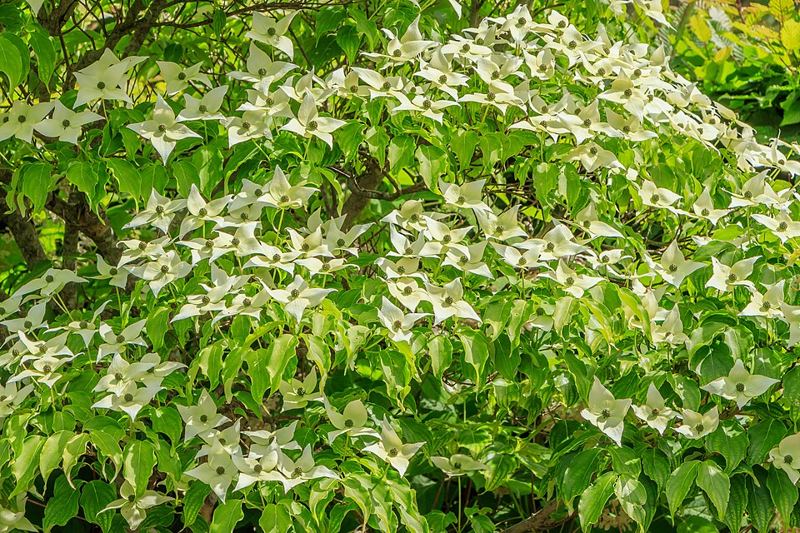
Kousa dogwood (Cornus kousa) is a small Asian dogwood for sun to light afternoon shade and acidic, well-drained, moist soil, with white bracts in late spring and raspberry-like fruit in autumn. NC State calls it a tree for all seasons, adding peeling bark that gives mature trunks a mottled look. It is also the sturdier cousin of the native flowering dogwood: NC State says it is more cold-hardy, more drought-tolerant and more disease-resistant. Clemson says it is native to Japan, Korea and China.
- Origin
- Asia
- Sun
- Sun to moderate shade; light afternoon shade preferred
- Soil
- Well drained, acidic, moist loam
- Bloom time
- Late spring, after flowering dogwood
- Showy part
- Bracts, not true flowers
- Fruit
- Raspberry-like, autumn
- Prune
- Rarely; dead wood any time
Sun and site
NC State says kousa dogwood grows in sun to moderate shade, and that it prefers some light shade, especially in the afternoon.
Soil and water
NC State says it wants well-drained, acidic, moist loam and will not survive waterlogged soil. For watering and mulching, the clearest guidance comes from UMD Extension, which writes about flowering dogwood (Cornus florida), so treat these as general dogwood advice: the tree tolerates some dry soil, should be watered through dry spells (especially in its first two years), and should be mulched without piling mulch against the trunk. Clemson’s dogwood factsheet, which covers flowering and kousa together, says to mulch a large area around the tree to retain moisture and prevent mower and trimmer damage. NC State says kousa is more drought-tolerant than flowering dogwood.
Planting
NC State says kousa dogwood transplants easily in early spring, but that its shallow roots make an established tree hard to move, so choose the spot with care.
- Plant in early spring. NC State says it transplants easily then.
- Choose a spot with light afternoon shade. Sun to moderate shade is fine (NC State).
- Check drainage. It will not survive waterlogged soil (NC State).
- Mulch wide, not against the trunk. Mulch a large area to hold moisture and protect the trunk from mowers (Clemson, UMD Extension).
When kousa blooms, and what you are looking at
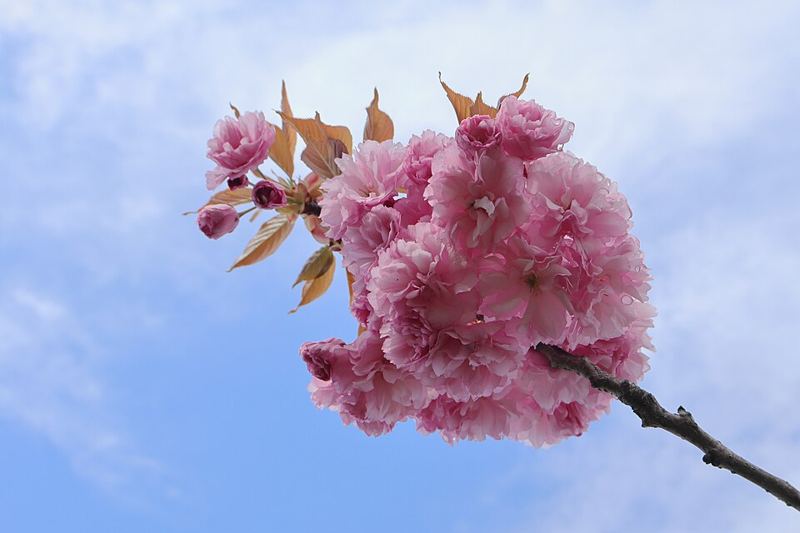
NC State says kousa blooms in late spring, about a month after flowering dogwood. Clemson says it flowers 2 to 3 weeks later than the native flowering dogwood. The sources differ on the gap, but both agree it follows it. Clemson also says the showy white parts are not actually flowers but bracts, modified leaves that look like petals. Our bloom calendar shows how it fits with other spring bloomers, and you can compare it with the cherry blossom guide, a tree that blooms earlier.
Pruning
For timing, UMD Extension’s flowering dogwood guidance says routine pruning is not needed, dead branches can come out any time, and other pruning can be done in late fall or early winter (November to December) or immediately after the tree finishes flowering.
Varieties
Illinois Extension names two cultivars.
| Variety | Best for | Size | Flowering and fruit | Notes |
|---|---|---|---|---|
| 'China Girl' | Early, large fruit | — | Early bloom, large fruit | Illinois Extension |
| 'Milky Way' | Heavy flowering | — | Flowers and fruits heavily | Illinois Extension |
Common kousa dogwood problems
Grow these next
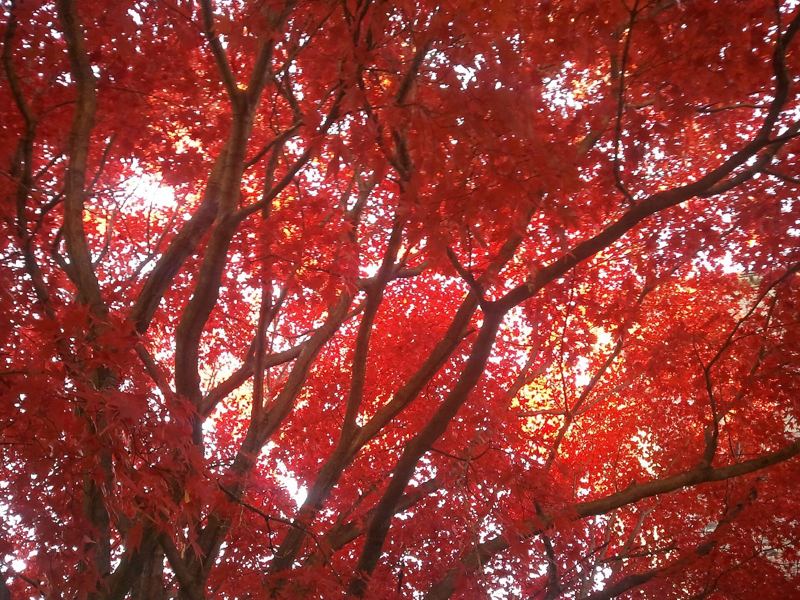
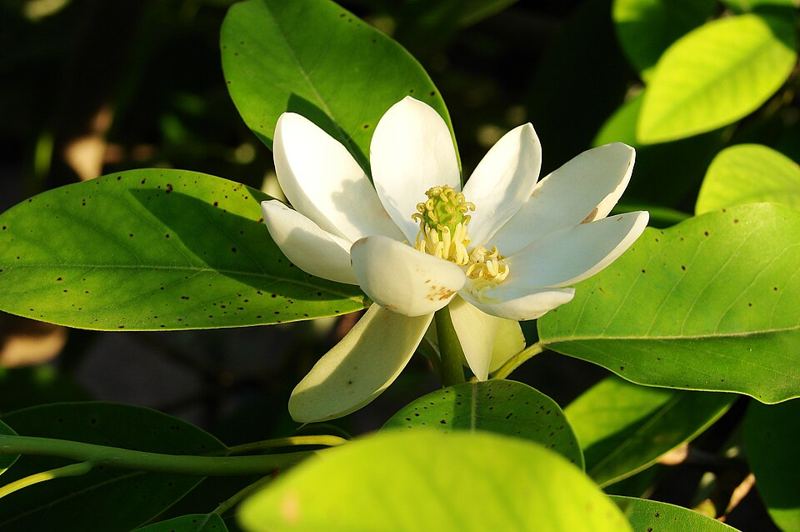
For another small ornamental tree with great autumn presence, see our Japanese maple guide. The magnolia guide covers a larger flowering tree, and our Japanese garden plants collection lists more plants that suit a similar garden.
Frequently asked questions
When does kousa dogwood bloom?
In late spring, after the native flowering dogwood. NC State says about a month later; Clemson says 2 to 3 weeks later. Clemson says the showy white parts are bracts, modified leaves that look like petals, not true flowers.
How much sun does kousa dogwood need?
NC State says sun to moderate shade, and that it prefers some light shade, especially in the afternoon.
What soil does kousa dogwood like?
NC State says well-drained, acidic, moist loam, and that it will not survive waterlogged soil.
Is kousa dogwood easier than flowering dogwood?
NC State says it is more cold-hardy, more drought-tolerant and more disease-resistant than flowering dogwood (Cornus florida).
When should you prune a dogwood?
UMD Extension, writing about flowering dogwood, says routine pruning is not needed, dead branches can come out any time, and any other pruning can be done in late fall or early winter or immediately after flowering.
Sources
- Cornus kousa (Kousa Dogwood), NC State Extension Plant Toolbox
- Kousa Dogwood, Clemson Cooperative Extension, Home and Garden Information Center
- Dogwood, Clemson Cooperative Extension, Home and Garden Information Center
- Cornus kousa, University of Illinois Extension, Plant Information
- Growing Flowering Dogwood Trees, University of Maryland Extension
 Japanese Maple
 Cherry Blossom
 Magnolia