Use a bloom calendar as a map of seasons, not a promise of dates: our sources give exact months for only four of our ten plants, and the rest bloom “in summer”, “intermittently” or “about once a year”. Tulips open in April and May, calla lilies in June and July, lavandin from July to September, and Christmas cactus in November and December. This guide shows those months, lists every plant’s bloom time in words, and explains the two indoor bloomers, orchids and Christmas cactus, whose flowers depend on what you do in fall.
How to read this calendar
The calendar is a table with a column per month. A shaded band means a source names those months, and a blank cell means our sources give no figure, not that the plant never flowers then. Two rules keep it honest:
- Only sourced months get a band. If a source says “summer” and nothing else, the plant stays in the table below and off the chart.
- Bands are regional or approximate. The planting rows are Clemson’s for South Carolina. The bloom rows come from NC State and Clemson pages that do not give a zone.
| Zones | January | February | March | April | May | June | July | August | September | October | November | December |
|---|---|---|---|---|---|---|---|---|---|---|---|---|
| Zone Tulip · plant, SC: plant bulbs Nov–Dec | November: plant bulbs | December: plant bulbs | ||||||||||
| Zone Tulip · plant, coast: plant bulbs Jan, Dec | January: plant bulbs | December: plant bulbs | ||||||||||
| Zone Tulip · bloom: bloom Apr–May | April: bloom | May: bloom | ||||||||||
| Zone Calla · bloom: bloom Jun–Jul | June: bloom | July: bloom | ||||||||||
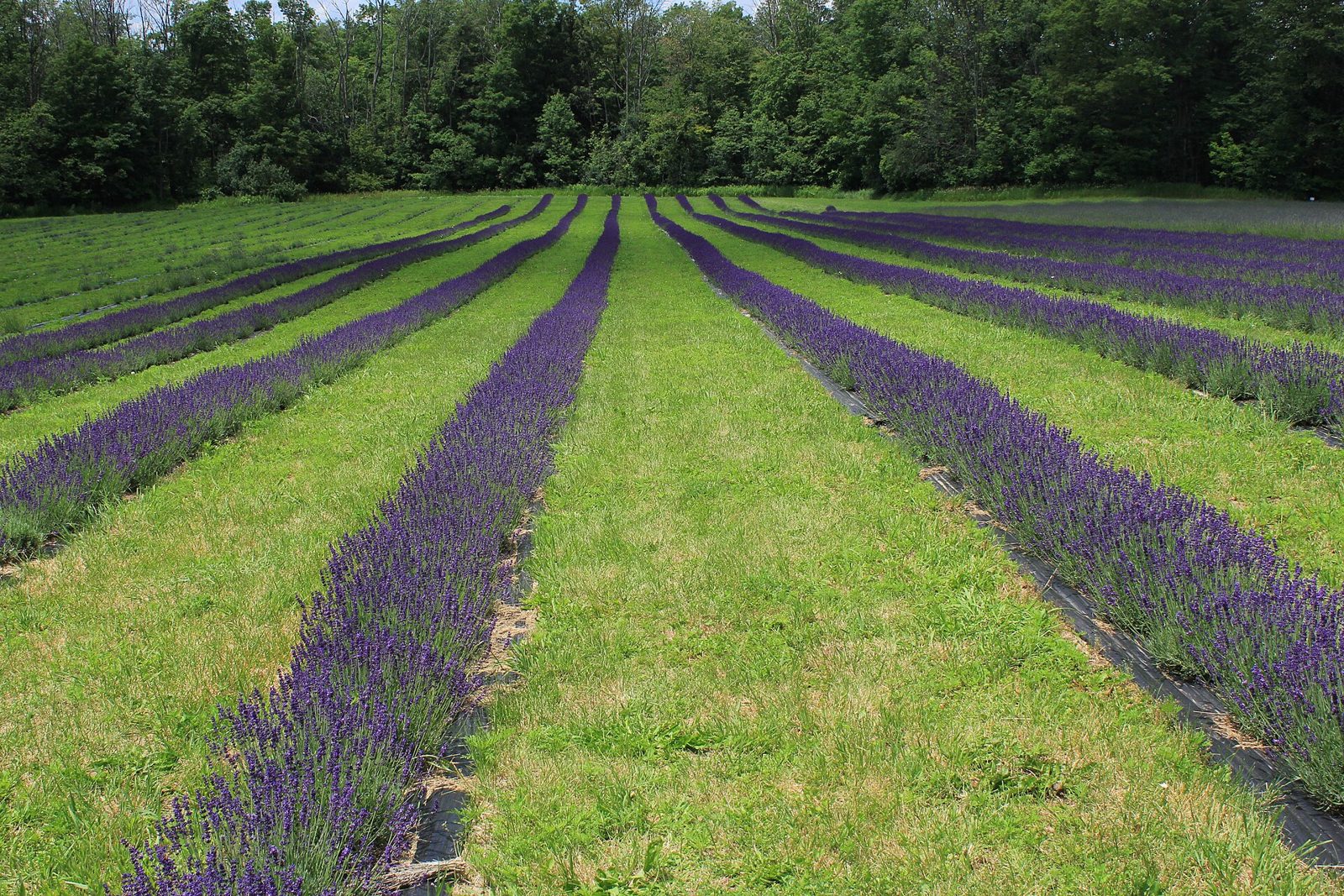
| Zone Lavandin · bloom: bloom Jul–Sep | July: bloom | August: bloom | September: bloom | |||||||||
| Zone Xmas cactus · bloom: bloom Nov–Dec | November: bloom | December: bloom |
- Plant bulbs
- Bloom
Every plant’s bloom time in words
| Plant | Bloom time from our sources | On the chart? |
|---|---|---|
| Tulip | Middle to late spring (NC State) | Yes |
| Calla lily | Late spring or early summer, 60 to 90 days after planting (Clemson); June to July for the white calla (NC State) | Yes, June and July |
| Lavender | Summer for English lavender (NC State); July to September for lavandin (NC State) | Lavandin only |
| Hydrangea | Late spring and summer on the previous year’s growth (NC State); reblooming types flower again later on new growth | No |
| Jasmine | Common jasmine from summer into fall (Clemson); winter jasmine flowers in winter or early spring, yellow and unscented (Clemson) | No |
| Christmas cactus | November and December (NC State); Thanksgiving types start in late fall, Christmas types about a month later (UGA) | Yes |
| Bird of paradise | Intermittently most of the year (UF/IFAS EDIS); flowers open in succession from late winter or early spring (Clemson) | No |
| Orchids | About once a year (Penn State); blooms last 6 to 8 weeks (Illinois) to several months (UC ANR) | No |
| Succulents | No bloom time in our sources | No |
| Japanese maple | Grown for its leaves; no flower time in our sources | No |
The year in order
Late winter and early spring. Bird of paradise begins to open flowers from late winter or early spring (Clemson), though UF/IFAS EDIS says blooms appear intermittently most of the year. Winter jasmine, the yellow unscented kind Clemson names, flowers in winter or early spring before its leaves unfold. Our jasmine guide covers the fragrant white common jasmine, not this one.
Spring. Tulips come in middle to late spring (NC State). Penn State says bulbs planted before the first frost bloom in early to late spring or early summer. Hydrangea starts in late spring (NC State), and calla lilies start in late spring to early summer, about 60 to 90 days after planting (Clemson).
Summer. Lavender, common jasmine and hydrangea carry the season. NC State says English lavender blooms in summer and lavandin runs July to September. Clemson says common jasmine’s flowers are present all summer and into fall.
Fall and winter. Christmas cactus opens in November and December. Moth orchids are the open question: Penn State says a healthy plant flowers about once a year, and no source names the month.
Indoor bloomers: what sets the flowers
Two plants on this chart bloom because of what you do in fall, so their calendar rows are the end of a process.
Christmas cactus forms buds in response to short days. UF/IFAS says it makes leaves in long summer days and buds as days shorten, UGA says 14 hours or more of continuous darkness, and NC State says at least 13 hours of uninterrupted nights from mid-September to mid-November. UGA recommends 55 to 60°F nights. NC State’s window starts in mid-September, so the dark nights begin about two months before the flowers. Our Christmas cactus not-flowering guide covers the steps.
Moth orchids start flower spikes after a cool-night spell. UC ANR says 3 to 4 weeks of 55 to 60°F nights in fall. Illinois Extension says 55 to 65°F nights and 70 to 80°F days for 6 to 8 weeks. Sources do not agree on the numbers, and neither names the month the flowers open. See how to get a moth orchid to rebloom.
Why our months are not your months
Our sources are extension pages from different states and one national plant database. NC State’s “June to July” for white calla is not a promise for Minnesota, and Clemson’s tulip planting months describe South Carolina. Where a bloom time depends on planting date, as it does for calla (60 to 90 days after planting, Clemson), your own planting date moves the bloom. Treat each band as a guide, and write your actual first-bloom dates in a notebook for a year.
Plants without a bloom row
Japanese maple is grown for foliage, and NC State describes ‘Bloodgood’ as having bright crimson fall color. We chart no flower months for it. Succulents have no bloom time in our sources, so we cannot say when, or whether, yours will flower.
Use the calendar to plan
- Spring color: tulips go in the ground in fall. See our fall bulb planting guide.
- Winter color: read flowers that bloom in winter for what is outdoors and what is on the windowsill.
- Houseplants: compare light and trigger needs in flowering houseplants.
- Tropicals: see tropical flowers for zone limits.
What this calendar leaves out
No source gives a month for hydrangea, jasmine, bird of paradise or orchids, so they stay in the table. No source gives a bloom month for succulents, and none gives a calla planting month, only “spring, after frost, when daytime temperatures stay above 70°F” (Clemson). For anything else, ask your state extension office.
Frequently asked questions
Which of these flowers bloom in spring?
Tulips bloom in middle to late spring (NC State). Bird of paradise flowers open in succession from late winter or early spring (Clemson). Bigleaf hydrangea blooms in late spring and summer (NC State), and calla lilies in late spring to early summer (Clemson).
Why does the calendar show months for only four plants?
Only four have a bloom time our sources name in months or something close to it. The rest say summer, intermittent or once a year, and we will not turn a season into months we cannot source.
When does Christmas cactus bloom?
NC State says November and December. UGA says Thanksgiving cacti start in late fall and Christmas cacti about a month later.
Does bloom time depend on my zone?
Probably, but our sources rarely say by how much. Most give one region or a general season, so treat every row as a starting point and watch your own plants.
Sources
- Tulipa (tulip), NC State Extension Plant Toolbox
- Spring Flowering Bulbs, Clemson Home & Garden Information Center
- Calla Lily, Clemson Home & Garden Information Center
- Zantedeschia aethiopica (white calla), NC State Extension Plant Toolbox
- Lavandula x intermedia (lavandin), NC State Extension Plant Toolbox
- Schlumbergera, NC State Extension Plant Toolbox
- Christmas or Thanksgiving Cactus?, University of Georgia Extension (Paulding County)
- Hydrangea macrophylla, NC State Extension Plant Toolbox
- Moth Orchids, UC ANR (Under the Solano Sun)
- Strelitzia reginae, Bird-of-Paradise (MG106), UF/IFAS Extension (EDIS)