
Plant ranunculus tubers 2 inches deep with the root claws pointing down, in full sun and soil with excellent drainage, in fall where winters are mild or in late winter to early spring where they are cold. NC State calls ranunculus a tuberous-rooted herbaceous perennial in the buttercup family, sometimes grown as an annual. It is semi-hardy, with injury below 28°F (NC State), and Clemson says gardeners in colder climates (zones 3 to 7) treat it like an annual. It flowers about 90 days after planting (Clemson).
- Sun
- Full sun
- Water
- Moderate
- Origin
- Middle East
- Container friendly
- Yes
- Soil
- Excellent drainage; no heavy clay (NC State)
- Planting depth
- 2 in, root claws down
- Spacing
- 6–8 in apart
- Cold limit
- Injured below 28°F (-2°C)
- Bloom
- About 90 days after planting; up to 6–7 weeks
What ranunculus are
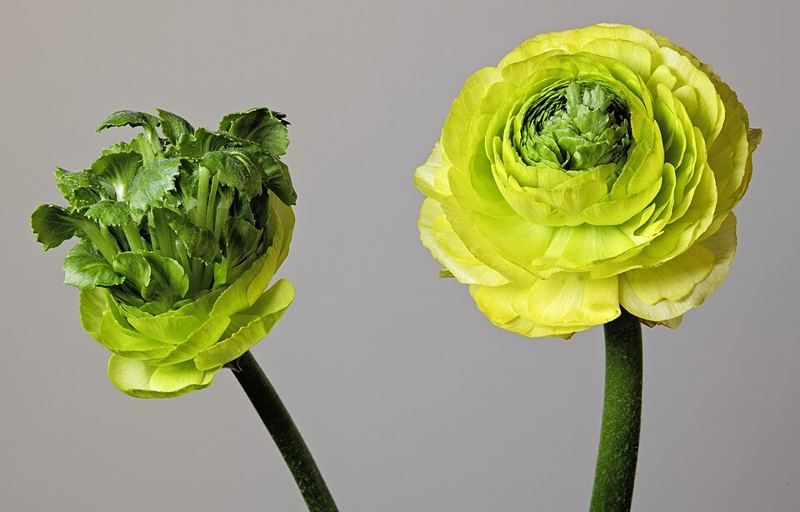
NC State describes ranunculus as a tuberous-rooted herbaceous perennial in the buttercup family (Ranunculaceae), sometimes grown as an annual. Clemson calls what you plant “corms” and NC State calls them “tubers”; both mean the dry, clawed storage roots sold for planting. The photo at the top of this page shows the layered, ruffled blooms.
Sun, soil and water
NC State says ranunculus do best in medium moisture, in full sun, with excellent drainage. They do not tolerate heavy clay soils (NC State). Before planting, Clemson says to pre-soak the corms in room temperature water for several hours.
When to plant ranunculus
The timing depends on how cold the winter is, and the sources give three answers.
Clemson, mild winters
Clemson, colder winters
NC State
Iowa State, indoor start
The first three give an outdoor window that moves with the climate. Iowa State’s 12 weeks is a different method: starting the roots ahead of the last frost date.
| Zones | January | February | March | April | May | June | July | August | September | October | November | December |
|---|---|---|---|---|---|---|---|---|---|---|---|---|
| Zone Mild winters: plant tubers Oct–Nov | October: plant tubers | November: plant tubers | ||||||||||
| Zone Colder winters: plant tubers Feb–Mar | February: plant tubers | March: plant tubers |
- Plant tubers
Planting steps
- Soak the tubers. Pre-soak in room temperature water for several hours (Clemson).
- Choose a sunny, well-drained spot. Full sun, excellent drainage, no heavy clay (NC State).
- Plant 2 inches deep, claws down. 6 to 8 inches apart (NC State).
- Deadhead. NC State says deadheading spent flowers encourages additional blooms.
Hardiness and winter
NC State says ranunculus are semi-hardy and are injured at temperatures below 28°F in North Carolina. Clemson says that in colder climates (zones 3 to 7) they are treated like an annual, while the corms overwinter in the ground in most of South Carolina. To save the plant for next season, NC State says to dig up the tubers, cut off the tops, and store them in a dry, cool location.
Ranunculus in pots
Clemson says ranunculus perform and look great in containers.
Common ranunculus problems
Varieties named in our sources
| Variety | Best for | Type | Flower | Notes |
|---|---|---|---|---|
| 'Venere' | Cut flowers | Cloni Success series | Huge, ruffled blooms | Named by Clemson |
| 'Elegance Giallo' | Cut flowers | — | Yellow | Named by Clemson |
Grow these next
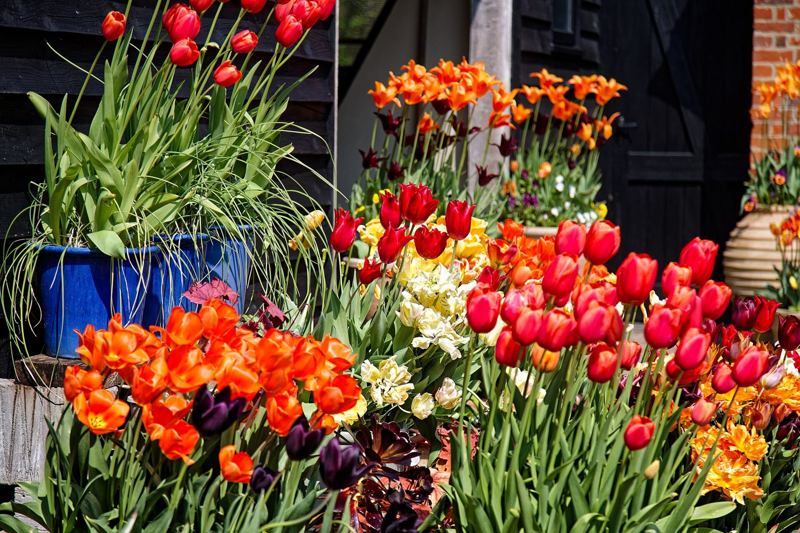
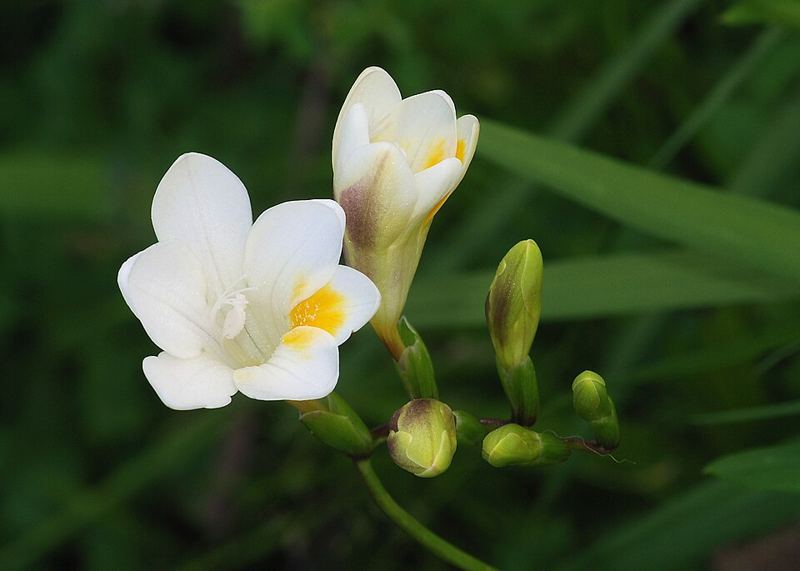
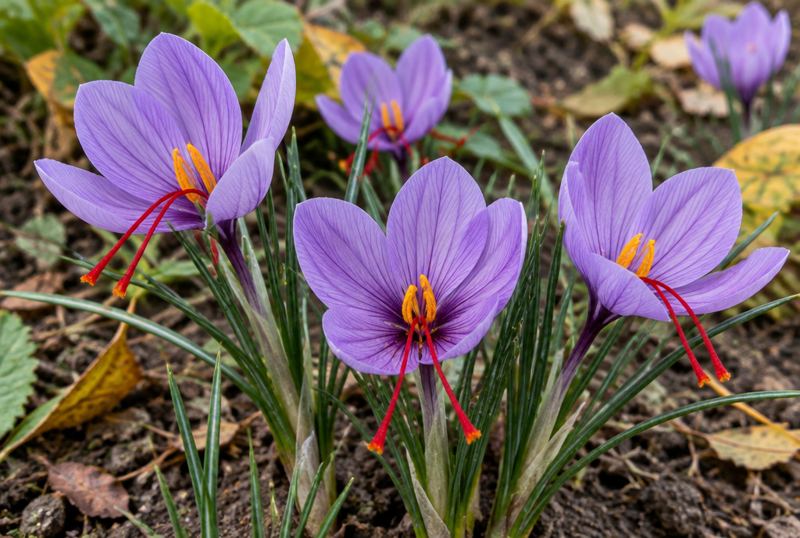
Ranunculus is a spring flower from a dry storage root, like the tulip from a bulb and freesia from a corm. For another flower that is planted from a corm and blooms in autumn, see saffron crocus.
Frequently asked questions
When do you plant ranunculus?
Clemson says to plant in fall in areas with mild winters, and in late winter or early spring in areas with colder winters, once extreme hard frost dates have passed. NC State says several weeks before the last frost date.
How deep do you plant ranunculus tubers?
NC State says 2 inches deep and 6 to 8 inches apart, with the root claws pointing down.
Are ranunculus hardy?
NC State calls Asiatic ranunculus semi-hardy, with injury below 28°F (-2°C) in North Carolina. Clemson says in colder climates (zones 3 to 7) it is treated like an annual.
How long does ranunculus bloom?
Clemson says plants typically flower about 90 days after planting, with the flowering period lasting up to 6 to 7 weeks. NC State says to deadhead spent flowers to encourage more blooms.
Can you grow ranunculus in pots?
Yes. Clemson says it performs and looks great in containers.
Sources
- Add Ranunculus to Your Fall Planting To-Do List, Clemson Cooperative Extension, Home and Garden Information Center
- Ranunculus asiaticus, NC State Extension Plant Toolbox
- Ranunculus, Iowa State University Extension
 Tulip
 Freesia
 Saffron Crocus