

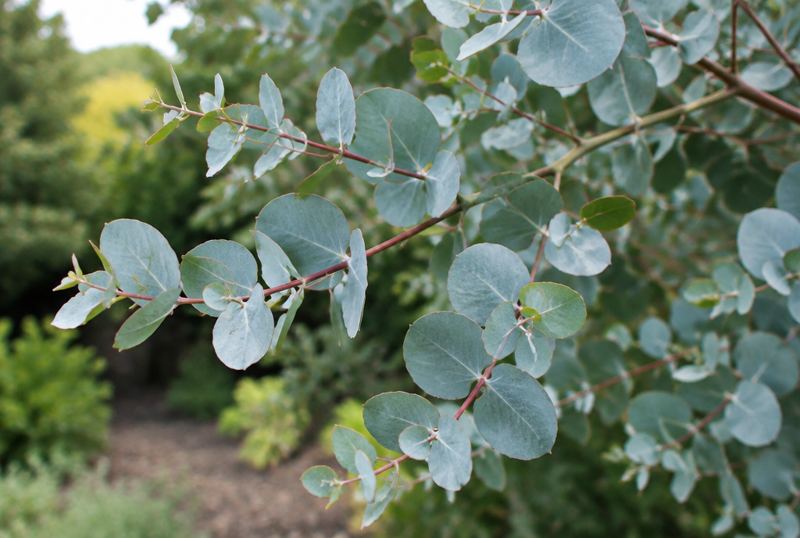
Silver dollar gum (Eucalyptus cinerea) is a fast-growing evergreen grown for its round, silver-blue foliage; it wants full sun, tolerates drought once established, and is not reliably cold hardy, so in cold climates it is grown in a pot and brought indoors before the first frost. The sources we rely on cover silver dollar gum only, so this guide is about that one species, not the many other eucalyptus. It also comes with a pet safety note: the ASPCA lists eucalyptus as toxic to dogs, cats and horses.
- Sun
- Full sun
- Water
- Drought tolerant once established
- Origin
- Australia & Pacific
- Container friendly
- Yes
- Species covered
- Silver dollar gum, Eucalyptus cinerea (NC State)
- Cold
- Not reliably hardy; bring pots in before first frost
- Growth
- 6–8 ft per season in gardens (NC State)
- Grown for
- Round silver-blue foliage; rarely flowers
- Pets
- Toxic to dogs, cats and horses (ASPCA)
What it is
NC State describes Eucalyptus cinerea as a fast-growing evergreen grown primarily for its foliage, with round, silvery-blue leaves, and says it rarely produces flowers. NC State says it can reach about 60 feet in its native range, but in gardens it grows 6 to 8 feet per season. UF/IFAS lists eucalyptus species as ornamental plants and also as sources of fuel and fiber, so the genus covers a wide range of trees. The advice here applies to silver dollar gum, not to every eucalyptus.
Sun and water
NC State lists full sun and says silver dollar gum is drought tolerant once established.
Cold and winter
NC State says silver dollar gum is intolerant of mild winters and of early or late freezes, so it is not reliably cold hardy, and the sources do not give a USDA zone range. Container plants can be placed on patios or sunk into the ground but must be brought indoors in fall before the first frost for overwintering (NC State).
Growing it in a pot
NC State says that in cold climates silver dollar gum is grown in containers as a shrub, or even as an annual, and moved indoors before the first frost. That is the practical route outside warm regions.
- Choose a container and a sunny spot. Full sun on a patio or in the garden (NC State).
- Water. Once established, silver dollar gum is drought tolerant (NC State).
- Watch the calendar in fall. Bring containers indoors before the first frost (NC State).
- Plan for fast growth. It grows 6 to 8 feet per season in gardens (NC State), so size is something to plan for.
Handling and safety
NC State says minor skin irritation can occur when handling the bark or leaves. The ASPCA and NC State both flag the plant’s oil as a concern for animals, so keep cut stems and potted plants out of reach of pets and horses.
Common eucalyptus questions
Grow these next
For another tree to compare, see our Japanese maple guide, which is grown for foliage too but in dappled shade. The crape myrtle guide covers a sun-loving tree that is non-toxic to dogs, cats and horses (ASPCA).
Frequently asked questions
Is eucalyptus toxic to pets?
Yes. The ASPCA lists eucalyptus as toxic to dogs, cats and horses, citing the essential oil eucalyptol, with salivation, vomiting, diarrhea, depression and weakness as clinical signs. NC State says the plant's oil is extremely toxic if ingested.
How much sun does eucalyptus need?
NC State lists full sun for silver dollar gum (Eucalyptus cinerea).
Is silver dollar eucalyptus cold hardy?
Not reliably. NC State says it is intolerant of mild winters and of early or late freezes, and says container plants must be brought indoors in fall before the first frost.
Can you grow eucalyptus in a pot?
Yes. NC State says that in colder climates silver dollar gum is grown in containers as a shrub or annual and moved indoors before the first frost.
How fast does silver dollar eucalyptus grow?
NC State says it is fast growing and, in gardens, grows 6 to 8 feet per season. In its native range it can reach about 60 feet.
Sources
- Eucalyptus cinerea (Silver Dollar Gum), NC State Extension Plant Toolbox
- Eucalyptus, UF/IFAS Extension (EDIS)
- Eucalyptus, ASPCA Animal Poison Control
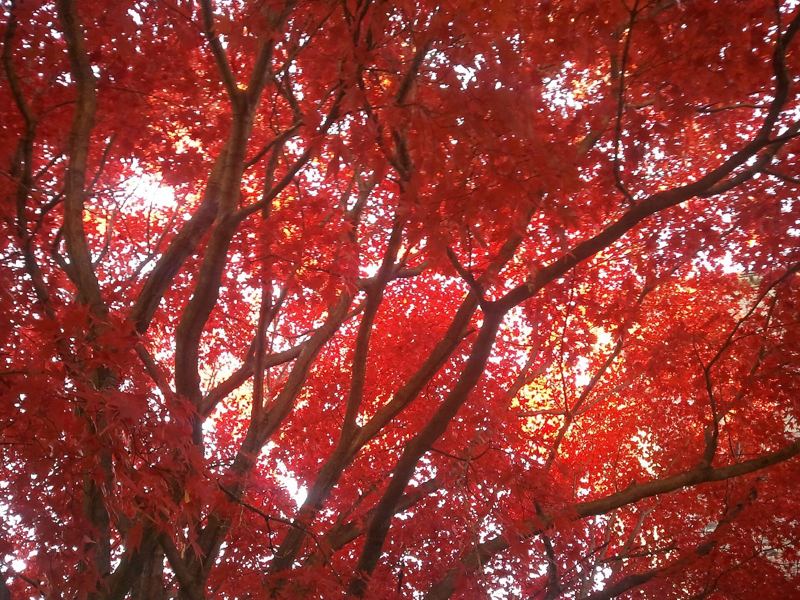 Japanese Maple
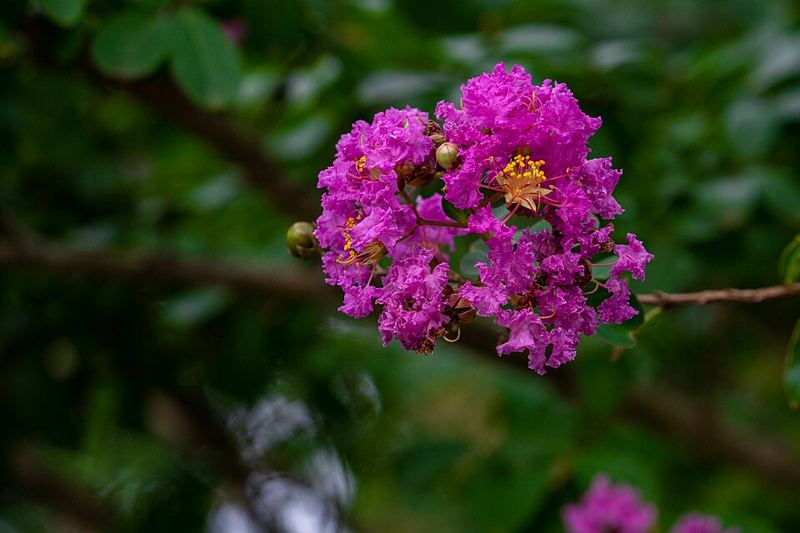 Crape Myrtle