

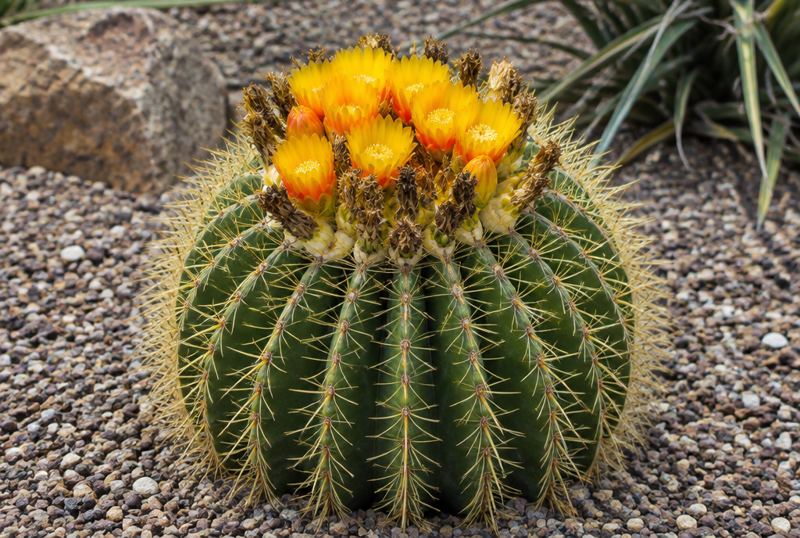
Most cacti want bright sun, a very well-drained mix and water only when they need it; the exception is the holiday cactus, which wants the opposite. Clemson says watering properly is the most important factor in growing cacti successfully. This guide covers the general rules for the desert-type cacti most people picture, and flags where the holiday cacti (Christmas, Thanksgiving and Easter cactus) differ. Clemson says cacti vary tremendously in size, color, shape and flowering habit, and are mainly grown for their unusual shapes, colors and textures.
- Origin
- The Americas
- Light (desert cacti)
- Bright sun, several hours direct (Clemson)
- Light (holiday cacti)
- Bright, indirect (NC State, Illinois)
- Soil
- Very well drained; cactus or succulent mix
- Water
- Never stand in water; minimal in winter
- Temperature
- 68–86°F, low humidity (Gymnocalycium)
- Frost
- Not frost tolerant
Two kinds of cactus
The first thing to find out is which kind you own. Clemson says arid-climate cacti need bright sunlight and a south or west window that gives several hours of direct sun each day. NC State and Illinois Extension say the holiday cacti prefer bright, indirect light, and NC State says the Easter cactus prefers high humidity, which you can raise with a humidifier, a saucer of rocks and water under the pot, or a bathroom. Applying one group’s rules to the other is how plants get scorched or stay sodden.
If yours flowers at Christmas, read our Christmas cactus guide. The rest of this page is for desert types.
Light
Give desert cacti the sunniest window you have. Clemson says south- or west-facing windows with several hours of direct sun a day are ideal. NC State says Gymnocalycium, the grafted moon cactus, prefers bright, indirect sunlight.
Water
Clemson says the plant must never be permitted to stand in water, and that in winter you water just enough to keep the plant from shriveling. Root and stem rots usually result from a soil mix that does not drain quickly or from overly frequent watering (Clemson). So the routine is simple: a pot with a drainage hole, a gritty mix and a deliberate pause between waterings.
Soil and pots
Clemson says the soil must be very well drained, and NC State recommends a cactus or succulent mix. Our succulent care guide gives a homemade recipe in the form of one part organic matter to two parts mineral, which works for cacti as well.
Temperature
NC State says Gymnocalycium is not frost tolerant and prefers 68 to 86°F with low humidity, and that outdoor plants should be brought indoors before temperatures drop below 50°F. Illinois Extension says holiday cacti outdoors for the summer should come in once fall nights reach the low 50s.
Feeding, pruning and propagating
NC State says to fertilize during the growing season only. Illinois Extension says holiday cacti should have a complete houseplant fertilizer from spring through late summer, once growth resumes. NC State says pruning is not generally required for Gymnocalycium. It adds that the plant can be propagated by seeds or grafting. For prickly pear and other pad cacti, see our cactus pruning guide.
Flowers and varieties
Cacti flower on their own schedule. For the holiday cacti, Illinois Extension gives Thanksgiving cactus from late November to late December, Christmas cactus from late December to March, and Easter cactus from March to May. It tells them apart by the leaf margins: Thanksgiving cacti, also called crab cacti, have pointed teeth along the outside margins of the leaves that look like hooks or claws. NC State says the Gymnocalycium cultivar ‘Hibotan’ is popular and typically has red stems, though they may be orange, dark purple, yellow or white.
Cacti in pots
NC State suggests grafted moon cacti for a desktop, an indoor houseplant or a container planting for the patio. Illinois Extension says holiday cacti can go outdoors in light shade in summer.
Common cactus problems
Where to go next
If you like cacti for a sunny bed, the prickly pear is the one with the widest hardiness range in our sources. The full set of desert plants is in our desert plants collection.
Frequently asked questions
How much light does a cactus need?
Clemson says cacti from arid climates need bright sunlight, ideally a south or west window with several hours of direct sun a day. Holiday cacti are different: NC State and Illinois Extension say bright, indirect light.
How often should I water a cactus?
Clemson says watering properly is the most important factor in growing cacti successfully, and the plant must never stand in water. In winter, water them just enough to keep them from shriveling.
What soil do cacti need?
Very well-drained soil. Clemson says the soil must be very well drained, and NC State recommends a cactus or succulent mix.
What temperature do cacti like?
NC State says Gymnocalycium is not frost tolerant and prefers 68 to 86°F with low humidity, and that outdoor plants should come in before temperatures drop below 50°F. Illinois Extension says holiday cacti should come in when nights reach the low 50s in fall.
What are the main cactus pests?
Clemson names aphids, spider mites and mealybugs. It says root and stem rots usually come from a soil mix that does not drain quickly or from overly frequent watering.
Sources
- Indoor Cacti, Clemson Home & Garden Information Center
- How to Identify and Care for Holiday Cacti and Get Them to Rebloom, University of Illinois Extension
- Gymnocalycium mihanovichii (moon cactus), NC State Extension Plant Toolbox
- Rhipsalidopsis gaertneri (Easter cactus), NC State Extension Plant Toolbox
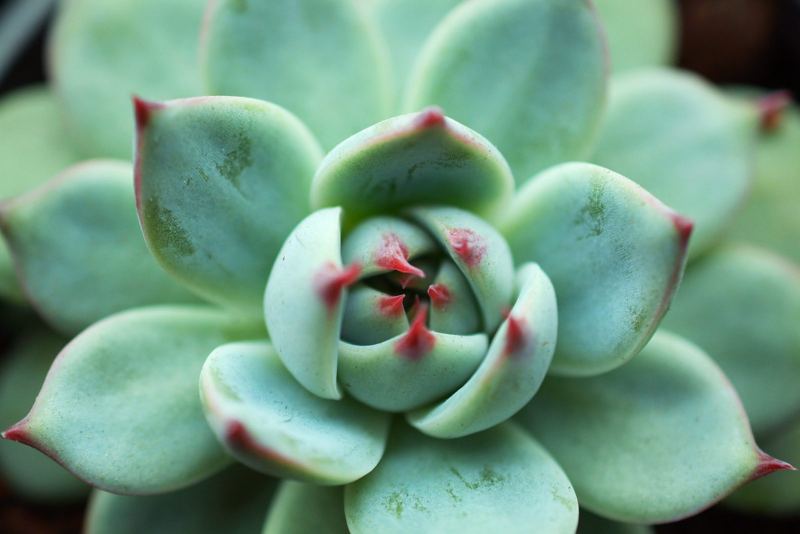 Succulents
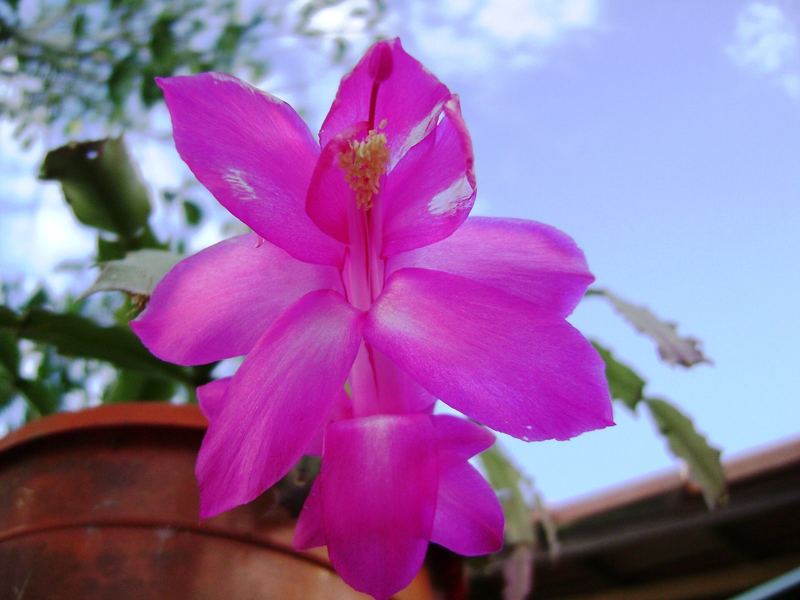 Christmas Cactus
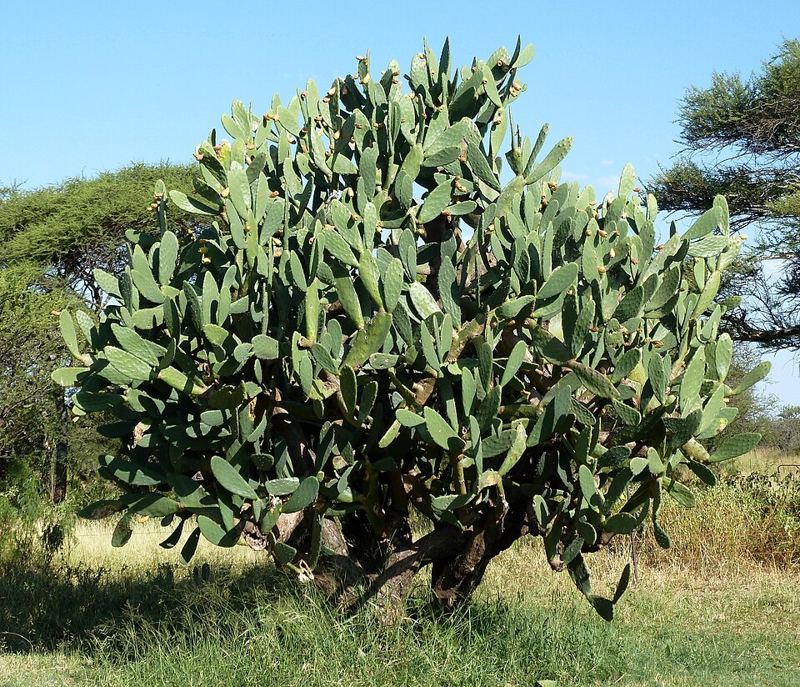 Prickly Pear